Starting vegan cooking does not have to mean emptying your wallet at a specialty grocery store or memorizing a list of unfamiliar ingredients. Most of the recipes in this collection use things you probably already have sitting in your pantry or can grab on your next regular grocery run: canned beans, pasta, rice, oats, frozen vegetables, and a handful of spices.
This guide covers 23 easy vegan recipes for beginners using simple everyday ingredients, organized by meal type so you can find exactly what you need for any part of the day. From quick breakfasts you can prep the night before to cozy one-pot dinners that practically cook themselves, every recipe here is designed to be forgiving, affordable, and genuinely satisfying.
One thing that makes a big difference when you are just starting out is building meals around overlapping staples. When your pantry holds a few reliable base ingredients, you can mix and match without wasting food or feeling overwhelmed. Think of this as your practical first-week guide, not a strict rulebook. There is plenty of room to tweak, swap, and make each meal your own.
Getting Started With Plant-Based Cooking
Getting a strong start in plant-based cooking comes down to two things: knowing which pantry staples to keep on hand and choosing fresh ingredients that are easy to work with and widely available.
Core Pantry Staples
A well-stocked pantry removes most of the friction from vegan cooking. Once you have these basics, you can pull together a satisfying meal almost any night of the week without a special shopping trip.
Start with these pantry essentials:
- Canned chickpeas, black beans, and lentils
- Dried or canned tomatoes
- Pasta and rice (white, brown, or both)
- Rolled oats
- Vegetable broth
- Soy sauce or tamari
- Olive oil
- Nutritional yeast (adds a savory, cheesy flavor to dishes)
- Canned coconut milk
- Basic spices: garlic powder, cumin, smoked paprika, chili flakes, and black pepper
The goal is not to buy everything at once. Pick up a few items each week and your pantry will fill in naturally. Many of these ingredients show up in multiple recipes throughout this article, so nothing goes to waste.
Beginner-Friendly Fresh Ingredients
Fresh produce does not need to be fancy or seasonal to be useful. A short list of reliable vegetables and aromatics covers a huge range of meals.
Keep these on your regular grocery list:
- Garlic and onions (the foundation of almost every savory dish)
- Spinach or kale (wilts easily into soups, pastas, and stir-fries)
- Bell peppers
- Zucchini
- Sweet potatoes
- Avocados
- Bananas and berries (fresh or frozen)
- Lemons and limes
Frozen vegetables are just as useful as fresh ones and often more budget-friendly. Frozen corn, peas, edamame, and broccoli are all worth keeping in your freezer as backup ingredients for quick meals.
Simple Breakfast Ideas
Starting your morning with a plant-based meal is one of the easiest wins in vegan cooking because breakfast recipes tend to require minimal prep and very few ingredients. These two categories cover the most beginner-friendly options.
Overnight Oats And Chia Bowls
Overnight oats might be the single most forgiving recipe in this entire guide. You combine rolled oats with plant-based milk (oat, almond, or soy all work), add a sweetener like maple syrup, and leave it in the fridge overnight. By morning, breakfast is ready with zero effort.
A basic overnight oat ratio is 1/2 cup oats to 1/2 cup plant-based milk. From there, you can add:
- Sliced banana and peanut butter
- Frozen berries and a pinch of cinnamon
- Cocoa powder and a handful of walnuts
Chia bowls follow the same logic. Mix 3 tablespoons of chia seeds with 1 cup of plant-based milk, stir well, and refrigerate overnight. The seeds absorb the liquid and create a thick, pudding-like texture. Top with fresh fruit, granola, or a drizzle of nut butter. Both options keep in the fridge for up to four days, making them ideal for meal prep.
Quick Toasts And Smoothies
Avocado toast gets a lot of attention for good reason. It takes about three minutes, uses simple ingredients, and keeps you full. Mash half an avocado onto toasted bread, add a squeeze of lemon, a pinch of salt, and red pepper flakes if you like a little heat.
Other quick toast ideas include:
- Peanut butter and banana slices with a drizzle of maple syrup
- Hummus with sliced cucumber and a sprinkle of smoked paprika
- Canned white beans mashed with garlic and olive oil, spread on sourdough
For smoothies, a reliable base is one frozen banana, a handful of spinach (you will not taste it), 1 cup of plant-based milk, and a tablespoon of nut butter. Blend until smooth. You can swap the spinach for frozen mango or berries depending on what you have. Smoothies come together in under five minutes and are an easy way to get vegetables in before the day even starts.
No-Stress Lunch Options
Lunch is where a well-stocked pantry really pays off. With the right base ingredients ready to go, you can build filling midday meals in fifteen minutes or less without relying on takeout.
Wraps, Sandwiches, And Grain Bowls
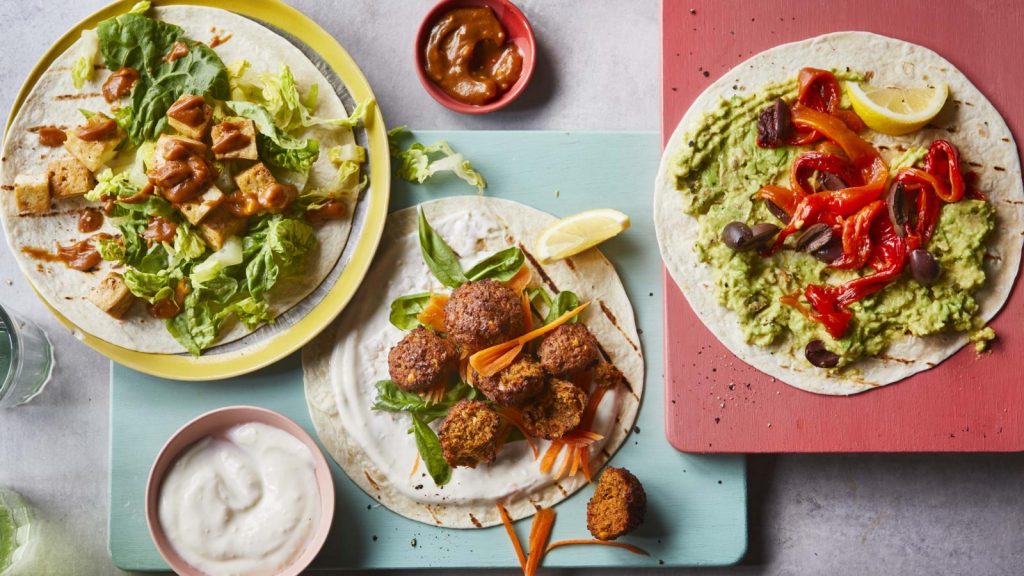
Wraps and grain bowls are perfect for using up whatever you have on hand. A simple burrito-style wrap with canned black beans, rice, shredded lettuce, salsa, and avocado takes about ten minutes and requires no cooking beyond warming the beans. Keep a pack of flour tortillas in the fridge and you are always a few minutes away from a solid lunch.
Grain bowls follow a simple formula: a grain base, a protein, a vegetable, and a sauce. Try these combinations:
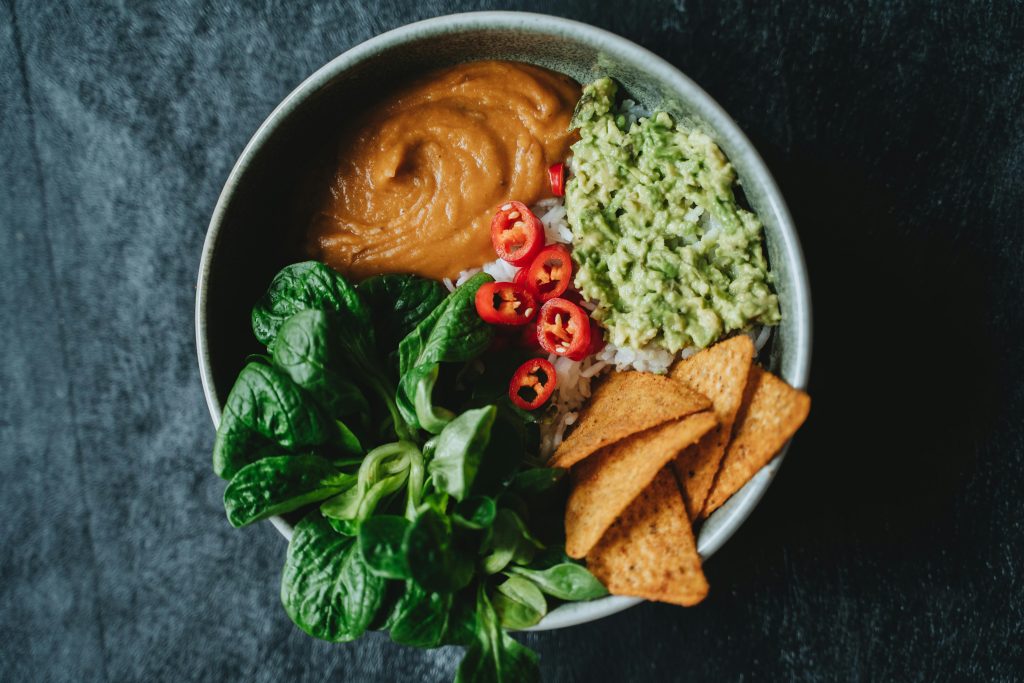
- Brown rice + chickpeas + roasted bell pepper + tahini dressing
- Quinoa + black beans + corn + lime juice and cumin
- Farro + lentils + spinach + a drizzle of soy sauce and sesame oil
For sandwiches, smashed chickpea salad is a great swap for traditional tuna or chicken salad. Mash a can of drained chickpeas with vegan mayo or tahini, diced celery, mustard, and a squeeze of lemon. Spread it on whole grain bread with lettuce and tomato.
Easy Soups And Salads
A simple lentil soup is one of the most rewarding beginner recipes you can make. Combine red lentils with diced onion, garlic, canned tomatoes, cumin, and vegetable broth in a pot. Simmer for about 25 minutes and the lentils break down naturally into a creamy, hearty soup. It stores well in the fridge and tastes even better the next day.
For quick salads that actually fill you up, build them around beans or grains rather than just greens. A white bean and cucumber salad with red onion, olive oil, lemon, and fresh parsley comes together in five minutes and keeps well for several days. A chickpea and roasted red pepper salad with a simple vinaigrette is another reliable option that works well packed for lunch.
Comforting Dinners Made Easy
Dinner is where most beginners feel the most pressure, but it does not need to be complicated. The recipes here are built around minimal cleanup and familiar flavors that feel genuinely satisfying at the end of a long day.
One-Pot Pasta And Rice Dishes
One-pot pasta is a weeknight game changer. Add dry pasta, canned tomatoes, garlic, vegetable broth, and any vegetables you have (spinach, zucchini, or bell pepper all work) into a single pot. Bring to a boil and let everything cook together until the pasta is tender and the sauce has thickened. The starch from the pasta creates a naturally creamy texture without any dairy.
Other one-pot options worth knowing:
- Coconut milk curry with chickpeas, sweet potato, and rice: simmer everything together in one pan with cumin, turmeric, and canned tomatoes
- Red beans and rice with smoked paprika and bay leaves
- Tomato and white bean soup with pasta added for a minestrone-style bowl
For a quick fried rice, use day-old cooked rice, frozen peas, diced carrots, garlic, and soy sauce. Cook everything in a hot skillet for about ten minutes. It is a great way to use up leftover rice and comes together faster than ordering takeout.
Sheet Pan And Skillet Meals
Sheet pan dinners are low-effort and easy to adapt. Toss cubed sweet potato, chickpeas, and broccoli florets with olive oil, smoked paprika, garlic powder, and salt. Spread on a sheet pan and roast at 400 degrees for 25 to 30 minutes. Serve over rice or with flatbread and a squeeze of lemon. Cleanup is minimal and the oven does most of the work.
Skillet meals are just as simple. A black bean and corn skillet takes about fifteen minutes: cook onion and garlic in olive oil, add canned black beans, frozen corn, cumin, and chili powder, then finish with fresh lime juice. Serve it in tacos, over rice, or as a standalone bowl. A simple stir-fry with tofu, broccoli, snap peas, garlic, soy sauce, and a splash of sesame oil follows the same fast-cooking approach and works for any night when you need dinner on the table quickly.
Snacks And Small Bites
Plant-based snacking is one of the easiest areas to get right because so many naturally vegan foods make great between-meal bites. Keeping a few ready-to-eat options on hand prevents the mid-afternoon grab for something less satisfying.
Dips, Spreads, And Roasted Chickpeas
Homemade hummus is simpler to make than most people expect. Blend a can of drained chickpeas with two tablespoons of tahini, the juice of one lemon, one garlic clove, a pinch of salt, and a splash of cold water. Blend until smooth, drizzle with olive oil, and serve with sliced vegetables or pita. It stores in the fridge for up to five days and works as a spread for sandwiches too.
Other easy dips and spreads include:
- White bean dip: blend canned white beans with garlic, lemon, and olive oil
- Guacamole: mashed avocado with lime, salt, and diced onion
- Smashed edamame spread with soy sauce and ginger
Roasted chickpeas are a satisfying crunchy snack you can make in batches. Drain and dry a can of chickpeas, toss with olive oil, smoked paprika, cumin, and salt, then roast at 400 degrees for 25 to 30 minutes until crispy. Let them cool before storing so they stay crunchy.
Grab-And-Go Energy Boosts
No-bake energy bites are one of the best things to batch prep on a Sunday. Combine one cup of rolled oats with three tablespoons of peanut butter, two tablespoons of maple syrup, and a handful of chocolate chips or dried fruit. Mix well, roll into small balls, and refrigerate. They hold together nicely after about 30 minutes in the fridge and keep for up to a week.
Other quick grab-and-go ideas:
- Apple slices with almond butter
- A small handful of mixed nuts and dried mango
- Banana with a tablespoon of peanut butter
- Rice cakes with hummus or avocado
These require zero cooking and use ingredients you will already have on hand from the rest of your weekly meals. Keeping snacks simple and familiar makes it much easier to stay consistent without feeling like you are putting in extra effort.
Practical Tips For Success
Getting comfortable with vegan cooking is mostly about building small habits that make the process easier over time. The two most practical areas to focus on are ingredient flexibility and making your grocery budget work harder.
Easy Ingredient Swaps
You do not need to track down specialty items to cook great vegan meals. Most common swaps use things already in your kitchen or available at any standard grocery store.
| Instead of this | Use this |
|---|---|
| Dairy milk | Oat milk, almond milk, or soy milk |
| Butter | Olive oil or vegan butter |
| Eggs in baking | Flax egg (1 tbsp ground flax + 3 tbsp water) or mashed banana |
| Chicken broth | Vegetable broth |
| Ground meat | Cooked lentils or crumbled tofu |
| Parmesan | Nutritional yeast with a pinch of salt |
| Sour cream | Coconut yogurt or blended cashews |
| Honey | Maple syrup or agave |
Swaps like these work in most recipes without changing the texture or flavor significantly. Start with one or two and you will quickly build confidence making adjustments on the fly.
Budget-Friendly Meal Prep
Plant-based eating is genuinely one of the most affordable ways to cook, especially when you lean into dried beans, lentils, oats, rice, and seasonal produce. A few habits make a big difference in stretching your grocery budget.
Cook a big batch of grains and beans at the start of the week. A pot of brown rice and a pot of black beans or lentils give you a flexible foundation for lunches and dinners without needing to cook from scratch every night. Store them in separate containers in the fridge and pull from them as needed.
Plan your meals around overlapping ingredients rather than building each recipe from a unique set of groceries. If you buy a bunch of spinach, use it in smoothies, pasta, and a grain bowl across the week. The same can of chickpeas can go into a salad on Tuesday and get roasted for a snack on Thursday. Shopping with a short, multipurpose list cuts food waste and keeps costs predictable.