Vegan meal prep can feel like a big undertaking when your weeks are already packed. The good news is that it does not have to be complicated, expensive, or time-consuming to pull off. With a little planning on the weekend, you can set yourself up for a full week of satisfying plant-based meals without scrambling every single night.
This article is built around a practical system, not just a list of recipes. The goal is to help you batch-cook a handful of core ingredients and then mix and match them into breakfasts, lunches, dinners, and snacks all week long. Short ingredient lists, minimal cleanup, and meals that actually hold up in the fridge for several days are the priorities here.
Whether you are a student eating on a budget, a parent feeding a busy household, or a professional with exactly twenty minutes to get dinner on the table, these 75 ideas are designed to meet you where you are. You will find make-ahead options, freezer-friendly picks, no-reheat lunches, and cozy one-pot dinners that come together with almost no effort on a Tuesday night.
Smart Meal Prep Basics
Building a reliable vegan meal prep routine comes down to choosing flexible ingredients, cooking in bulk once, and knowing which strategies actually save time without making Sunday feel like a second job.
How To Build A Week Of Plant-Based Meals
Start by picking two or three base ingredients that can carry you across multiple meals. A pot of brown rice, a tray of roasted vegetables, and a batch of cooked chickpeas can become grain bowls, wraps, salads, and soups before the week is out.
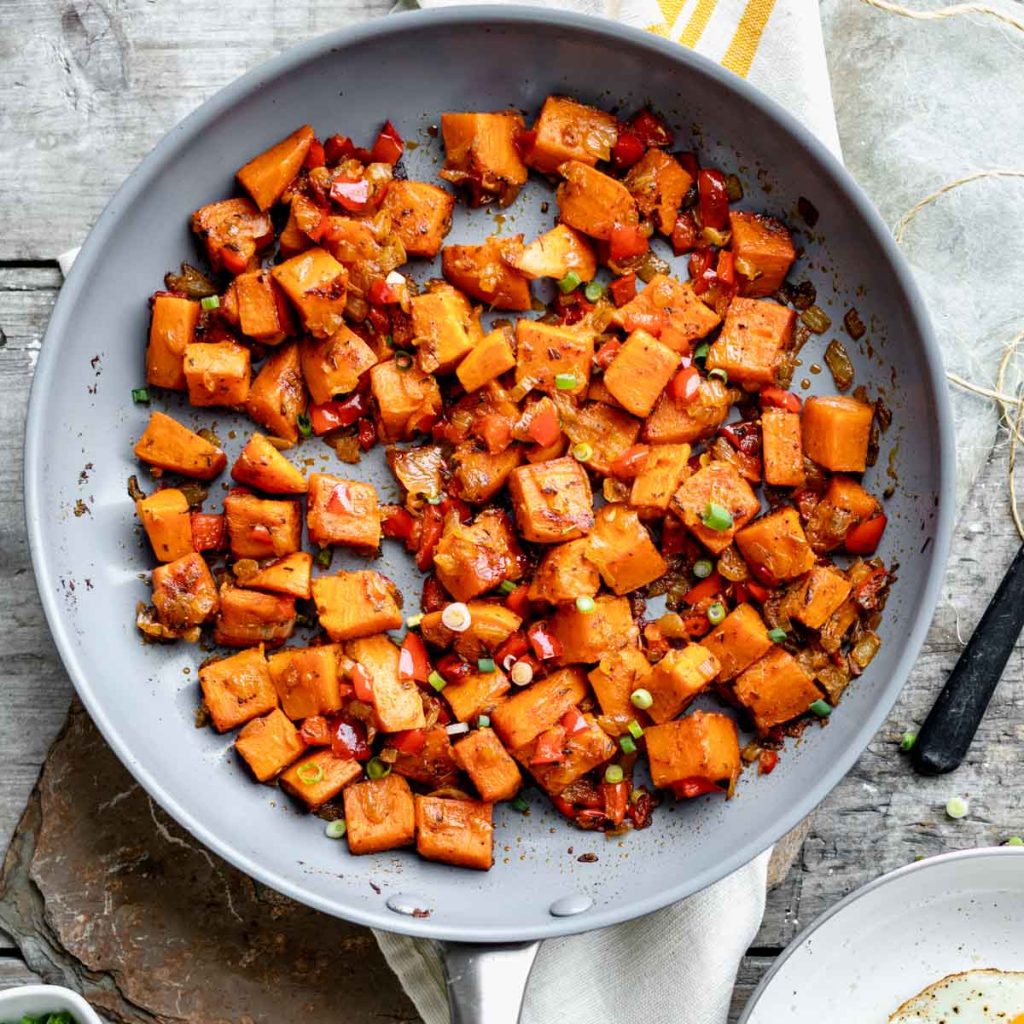
Think in terms of components, not full recipes. When you prep building blocks rather than complete dishes, you get more variety without any extra cooking. Roasted sweet potatoes work in a morning bowl, a lunchtime wrap, and a side at dinner.
Keep your weekly plan loose enough to stay flexible. Aim for two or three proteins, two or three grains, and a solid mix of vegetables, and then let the week’s cravings guide how you put them together.
Best Batch-Cooking Strategies For Tight Schedules
Pick one prep window per week, ideally two to three hours on a Sunday afternoon. Use that time to run multiple things at once: grains on the stovetop, vegetables in the oven, and a pot of beans or lentils simmering on a back burner.
Prioritize foods that take the most time to cook from scratch. Dried lentils, chickpeas, farro, and brown rice all benefit from batch cooking because they are tedious on a weeknight but effortless when they are already waiting in the fridge.
Freeze half of anything you make in larger quantities. Soups, stews, and cooked beans freeze well for two to three months, which means a Sunday batch can rescue you on a future week when prep time runs short.
Ingredients That Work Across Multiple Dishes
Some ingredients simply punch above their weight in a vegan meal prep system. The list below covers the most versatile picks worth keeping stocked.
- Cooked lentils: work in soups, tacos, salads, and grain bowls
- Canned or home-cooked chickpeas: great roasted, mashed, or tossed cold into salads
- Brown rice or farro: a reliable base for bowls, stir-fries, and stuffed vegetables
- Roasted sweet potatoes: pair with almost any protein or grain
- Raw cashews or tahini: form the base of sauces, dressings, and dips
- Shredded cabbage or slaw mix: holds up for days and works in wraps, bowls, and sides
- Canned diced tomatoes: a shortcut for quick sauces, soups, and stews
- Tofu or tempeh: can be marinated and baked in bulk for the whole week
When you keep these on hand, you rarely need a recipe. You just need a container and a few minutes to assemble.
Breakfasts That Save Time Early
Mornings are where a good prep habit pays off the fastest. The ideas here cover no-effort grab-and-go options, make-ahead freezer picks, and portable choices that travel well whether you are running to work or dropping kids at school.
Overnight Options
Overnight oats are the easiest place to start. Combine rolled oats with plant-based milk in a jar before bed, and breakfast is ready when your alarm goes off. Add nut butter, banana, or frozen berries to keep things interesting across the week.
Chia pudding is another no-cook option that takes about five minutes to prep. Use a ratio of three tablespoons of chia seeds to one cup of oat milk or coconut milk, stir well, and refrigerate overnight. Top with mango, pineapple, or a drizzle of maple syrup.
You can prep five jars of either option in one session on Sunday. That covers your entire weekday breakfast rotation without any morning effort.
Freezer-Friendly Morning Picks
Vegan breakfast burritos freeze beautifully. Fill large flour tortillas with scrambled tofu, black beans, roasted peppers, and salsa, then wrap tightly in foil and freeze in a batch. In the morning, you just reheat in the microwave for two to three minutes.
Banana oat muffins are another solid freezer option. Make a double batch on Sunday, let them cool completely, and store them in a zip-top bag in the freezer. They thaw at room temperature in about thirty minutes or warm up quickly in the toaster oven.
Smoothie packs are worth building into your freezer routine too. Portion spinach, frozen banana, and whatever fruit you like into individual bags so you only need to add liquid and blend in the morning.
Portable Breakfast Ideas
Energy balls made from oats, nut butter, flaxseed, and a little maple syrup require no baking and come together in about ten minutes. Make a big batch and store them in the fridge for up to two weeks.
A simple peanut butter and banana wrap on a whole wheat tortilla travels just as well as anything fancier. It holds together without refrigeration for a couple of hours, making it a solid choice for commutes.
Homemade granola bars built from oats, seeds, and dried fruit store well in a container on the counter for up to a week. They are more filling than store-bought versions and cost a fraction of the price.
Packable Lunches For Work And School
A great packable lunch does not need to be fancy. It needs to hold up in a bag for a few hours, taste good at room temperature or cold, and be easy to throw together during Sunday prep without a lot of fuss.
Mason Jar And Chopped Salads
Mason jar salads stay crisp for up to four days when you layer them correctly. Always put the dressing on the bottom, then add hearty ingredients like chickpeas, cucumber, or roasted vegetables in the middle, with delicate greens on top. Shake when ready to eat.
A chopped kale and white bean salad is particularly good for meal prep because kale does not wilt the way spinach does. Massage the leaves briefly with a little olive oil and lemon juice, then add beans, cherry tomatoes, and sunflower seeds.
Mediterranean-style grain salads made with farro or quinoa, olives, roasted red peppers, and fresh herbs hold up very well. They taste better after a day or two as the flavors develop in the fridge.
Wraps, Pitas, And Sandwich Fillings
A mashed chickpea salad filling works like a plant-based tuna salad. Mix drained chickpeas with celery, red onion, mustard, and a spoonful of vegan mayo, then use it in a wrap, stuffed in a pita, or spread on whole grain bread.
Hummus-based wraps with shredded carrots, cucumber, avocado, and spinach take about five minutes to assemble and need no cooking at all. Batch-prep the vegetables on Sunday so assembly during the week is instant.
Baked falafel made ahead on Sunday can be packed into pitas all week with lettuce, tomatoes, and tahini sauce. They reheat quickly or taste fine cold, which gives you flexibility depending on your lunch situation.
No-Reheat Lunchbox Choices
A bento-style lunchbox setup takes the pressure off entirely. Pack a compartment each of: roasted chickpeas or edamame, sliced vegetables with hummus, leftover grain salad, and fresh fruit. No microwave needed, no reheating required.
Cold noodle salads made with soba noodles, shredded cabbage, edamame, and sesame dressing travel well and taste great at room temperature. Make a large batch and portion it into containers at the start of the week.
Pre-built snack plates work well for kids and adults alike. Use crackers, nut butter, sliced fruit, and a handful of roasted seeds for a lunch that requires zero prep the morning of.
Low-Effort Dinners After Long Days
You do not need a new recipe every night. The best weeknight dinners come from already-prepped components that you can heat and combine in under fifteen minutes. These ideas lean on the batch-cooked grains, beans, and vegetables you prepped earlier in the week.
Grain Bowls And Nourish Bowls
A grain bowl dinner is just a scoop of prepped rice or farro topped with whatever proteins and vegetables you have ready. Warm the base, add roasted sweet potatoes, some cooked lentils or crispy tofu, and pour a tahini dressing over everything.
The key to keeping grain bowls interesting across the week is swapping the sauce. The same base ingredients taste completely different under a miso-ginger dressing versus a simple lemon-olive oil vinaigrette. Keep two or three sauces prepped in the fridge.
Buddha bowls are a variation worth building regularly. They typically include a grain, a roasted vegetable, a legume, something pickled or acidic like sauerkraut or kimchi, and a creamy sauce. Assemble from prepped components and dinner is ready in ten minutes.
One-Pot Comfort Meals
Red lentil soup is one of the most reliable one-pot vegan dinners around. Simmer red lentils with canned tomatoes, onion, garlic, cumin, and vegetable broth for about twenty-five minutes, and you have a thick, filling soup that tastes even better the next day.
Chickpea coconut curry comes together in one pan with canned chickpeas, coconut milk, canned tomatoes, and a spoonful of curry paste. Serve over prepped rice and dinner is on the table in twenty minutes flat.
White bean and kale soup, pasta e fagioli, or a simple black bean chili all follow the same one-pot logic. Make a large batch on Sunday or Monday and eat it across two or three nights with minimal effort.
Sheet Pan And Roasted Tray Ideas
Sheet pan dinners work best when you commit to a single pan and a hot oven. Toss cubed tofu, broccoli, and chickpeas with olive oil and your spice blend of choice, spread them on a parchment-lined pan, and roast at 425 degrees Fahrenheit for about twenty-five minutes.
A roasted vegetable and sausage tray using plant-based sausage, bell peppers, zucchini, and onion is a satisfying weeknight option that requires almost no prep work. Everything cooks together at the same temperature and finishes at the same time.
Roasting a full sheet pan of vegetables on Sunday pays dividends all week. Use them in bowls, stuff them into wraps, or reheat them alongside a grain for a quick dinner with almost no effort mid-week.
Snacks, Sides, And Small Add-Ons
Good snacks and sides fill the gaps in your day and keep you from reaching for something processed when energy dips. These are the prep items that take the least time to make but add the most consistency to your week.
Protein-Packed Snack Prep
Roasted chickpeas are one of the best batch snacks you can make. Drain and dry a can of chickpeas, toss with olive oil and your spice mix of choice, and roast at 400 degrees Fahrenheit for about thirty to thirty-five minutes until crispy. Store in an open container at room temperature for up to five days.
Edamame is a near-effortless high-protein snack. Buy it frozen, steam a large batch, sprinkle with sea salt, and store in the fridge. A handful alongside a piece of fruit makes a solid mid-afternoon snack that takes under five minutes to prep.
Energy balls made from dates, nut butter, oats, and flaxseed give you a sweet, satisfying option without refined sugar. Keep a batch in the fridge and grab two or three when you need something quick between meals.
Dips, Sauces, And Spreads
Hummus is worth making from scratch when you have ten minutes. Blending canned chickpeas with tahini, lemon, garlic, and olive oil gives you a much fresher result than most store-bought versions, and a large batch costs very little to make.
A simple tahini dressing (tahini, lemon juice, garlic, and a splash of water) doubles as a salad dressing, a grain bowl sauce, and a dip for raw vegetables. Make a jar at the start of the week and use it everywhere.
Cashew cream made by soaking raw cashews and blending them with lemon juice and salt works as a pasta sauce base, a soup swirl, or a topping for bowls. It keeps in the fridge for five days.
Ready-To-Use Vegetable Sides
Prepping vegetables in batch form means you never stare at a raw broccoli crown at 7 PM wondering what to do with it. Roast two or three sheet pans of mixed vegetables on Sunday, and you have ready-to-use sides for the whole week.
Steamed or roasted broccoli, cauliflower, green beans, and Brussels sprouts all hold up well in the fridge for four to five days. Reheat in a skillet with a bit of olive oil and garlic for a side that tastes freshly made.
Pickled red onions are a three-minute prep that adds a pop of flavor to almost every meal. Thinly slice a red onion, cover with equal parts apple cider vinegar and water, add a pinch of salt and sugar, and let sit for at least thirty minutes before using.
Storage, Reheating, And Freshness Tips
How you store your prep determines whether meals taste good on Thursday or get abandoned in the back of the fridge. A few practical habits here make a real difference in the quality and longevity of everything you make.
What Keeps Best In The Fridge
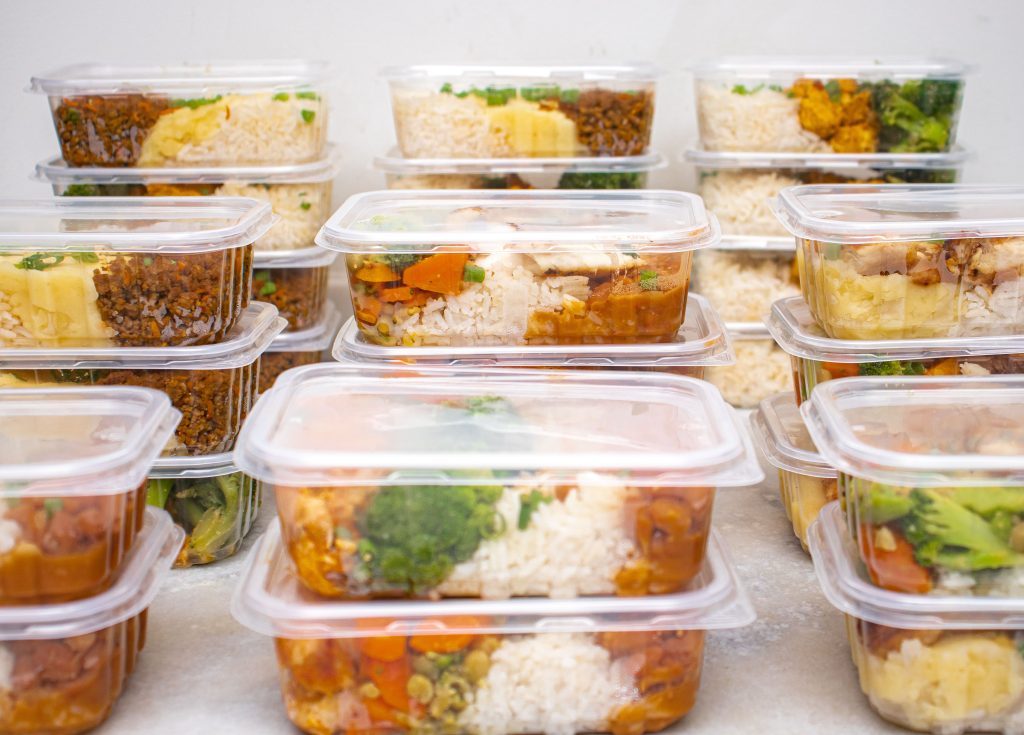
Cooked grains, soups, stews, and roasted vegetables all store well for four to five days in airtight containers. Glass containers with snap-on lids are worth the investment because they seal tighter, do not absorb odors, and make it easy to see what you have at a glance.
Keep dressings and sauces separate from salads and bowls until you are ready to eat. This single habit prevents soggy greens and keeps textures where they should be. Small four-ounce jars work well for portioning sauces individually.
Tofu and tempeh store best when packed in their cooking liquid or a small amount of marinade. This keeps them from drying out and actually improves the flavor over the first day or two.
Freezer Wins For Future Meals
Soups, chilis, curries, and cooked beans freeze extremely well. Portion them into two-cup freezer containers so you can thaw only what you need on any given night. Label each container with the date and contents so nothing gets lost.
Breakfast burritos, muffins, and smoothie packs are among the best freezer breakfast investments. They take a few minutes to assemble in bulk and can save a rushed morning weeks later.
Cooked whole grains like farro, quinoa, and brown rice freeze well in flat zip-top bags. Press them flat so they freeze quickly and stack efficiently in the freezer, and they thaw in a few minutes when spread in a pan with a splash of water.
How To Prevent Soggy Or Bland Results
The most common meal prep mistake is assembling everything too far in advance. Keep wet ingredients like tomatoes, dressings, avocado, and sauces stored separately until serving time, and stir them in at the last minute.
Reheating grains with a tablespoon of water or broth prevents them from drying out in the microwave. Cover loosely with a damp paper towel and heat in short intervals, stirring between each one.
Seasoning is the other variable that trips people up. Batch-cooked food often needs a refresh before eating. Taste your leftovers and add a squeeze of lemon, a pinch of salt, or a fresh herb before serving. That small step makes previously bland prep feel like a fresh meal.