Busy weeks are brutal on good intentions. You plan to cook something nutritious every night, and then Wednesday hits and you’re standing in front of the fridge eating crackers. That’s exactly where meal prep earns its keep, and high-protein vegan meal prep especially so, because you’re fueling your body while doing it.
The recipes in this list are built around ingredients that actually deliver: tofu, tempeh, seitan, lentils, chickpeas, edamame, TVP, and quinoa. These aren’t token protein sprinkles. They’re the backbone of meals that keep you full for hours and reheat without turning into sad, soggy afterthoughts.
What makes this collection different from a generic recipe roundup is simple: every entry was chosen with meal prep utility in mind. You want food that holds its texture on day three, travels well in a container, and tastes like something you chose to eat rather than something you endured. From spicy peanut bowls and teriyaki tofu to lentil shepherd’s pie and breakfast burritos, this is a full week’s worth of variety without redundancy.
Whether you’re a longtime plant-based eater, a fitness-focused person trying to hit protein targets, or someone who just started cutting back on meat, these 45 recipes give you real options. Pick three or four for a Sunday cook session, and your weekday meals are handled.
- 1) Spicy Peanut Chickpea Protein Bowls
- 2) Tofu Burrito Bowls With Cilantro Lime Rice
- 3) Tempeh Stir-Fry With Broccoli And Brown Rice
- 4) Lentil Bolognese With Whole Wheat Pasta
- 5) Red Lentil Coconut Curry
- 6) Teriyaki Tofu With Edamame And Rice
- 7) Chickpea Shawarma Meal Prep Bowls
- 8) Seitan Fajita Bowls
- 9) Black Bean Quinoa Enchilada Bake
- 10) TVP Chili With Kidney Beans
- 11) Miso Ginger Tofu Soba Noodle Bowls
- 12) Tempeh Taco Meat Lettuce Wrap Bowls
- 13) White Bean Pasta Salad With Kale
- 14) Thai Basil Tofu With Green Beans
- 15) Lentil Shepherd's Pie
- 16) Buffalo Tofu Wraps With Ranch Slaw
- 17) Mediterranean Quinoa Bowls With Hummus And Chickpeas
- 18) Vegan Egg Roll In A Bowl With Edamame
- 19) Smoky Black Bean Sweet Potato Bowls
- 20) High-Protein Vegan Lasagna With Tofu Ricotta
- 21) Curried Chickpea Salad Wrap Boxes
- 22) Tempeh Reuben Meal Prep Sandwiches
- 23) Harissa Lentil Roasted Vegetable Bowls
- 24) Tofu Fried Rice With Peas And Edamame
- 25) Vegan Sloppy Joes With TVP
- 26) Cajun Red Beans And Brown Rice
- 27) Peanut Tofu Noodle Salad Jars
- 28) Baked Falafel Bowls With Tahini Sauce
- 29) Creamy Tuscan White Bean Skillet
- 30) Seitan Gyro Bowls With Tzatziki-Style Sauce
- 31) Lentil Taco Soup
- 32) Tofu Scramble Breakfast Burritos
- 33) Chocolate Peanut Butter Overnight Oats With Hemp Hearts
- 34) Savory Breakfast Quinoa With Black Beans
- 35) Protein Chia Pudding With Soy Yogurt
- 36) Tempeh Bacon Breakfast Sandwiches
- 37) Red Lentil Dal With Spinach
- 38) Vegan Meatball Marinara With Seitan Meatballs
- 39) Edamame Crunch Salad Meal Prep Boxes
- 40) Chickpea Pasta Primavera
- 41) Tofu Katsu Bowls With Cabbage Slaw
- 42) Black Bean Chili Stuffed Bell Peppers
- 43) Lemon Herb Tempeh With Roasted Potatoes
- 44) Mujadara With Lentils And Caramelized Onions
- 45) Vegan Sushi Bowls With Tofu And Edamame
- How To Choose The Best Meal Prep Recipes
- Best Vegan Protein Sources For Meal Prep
- Meal Prep Tips For Better Flavor All Week
1) Spicy Peanut Chickpea Protein Bowls
Chickpeas bring roughly 20 grams of protein per cup, and when you coat them in a spicy peanut sauce with garlic, ginger, sriracha, and a splash of lime, they become genuinely craveable. Serve over brown rice or quinoa for a complete amino acid profile. This bowl stores beautifully for up to four days, and the sauce actually intensifies overnight. Keep toppings like cucumber and scallions separate for best texture.
2) Tofu Burrito Bowls With Cilantro Lime Rice
Press and crumble extra-firm tofu, then season it hard with cumin, smoked paprika, garlic powder, and chili flakes before pan-frying until golden. Load it over cilantro lime rice with black beans, corn, and salsa. Each bowl can hit 25 to 30 grams of protein depending on your portions. Prep the components separately and assemble throughout the week for bowls that never feel tired.
3) Tempeh Stir-Fry With Broccoli And Brown Rice
Tempeh is the underrated heavy hitter of vegan protein, packing around 31 grams per cup. Cube it, marinate briefly in tamari and sesame oil, then stir-fry with broccoli florets, snap peas, and a ginger-garlic sauce. It holds up exceptionally well after refrigeration, staying firm rather than turning mushy. Pair with batch-cooked brown rice for a no-fuss weekday lunch that actually satisfies.
4) Lentil Bolognese With Whole Wheat Pasta
Green or brown lentils cooked down with crushed tomatoes, red wine, carrots, celery, and a generous hit of Italian herbs create a bolognese that’s genuinely meaty in texture. With 18 grams of protein per cup of lentils, this sauce earns its place. Store the sauce separately from your whole wheat pasta to prevent sogginess, then combine at serving time. It freezes perfectly for up to three months.
5) Red Lentil Coconut Curry
Red lentils dissolve into a naturally thick, velvety curry without any thickening tricks. Coconut milk, tomatoes, turmeric, garam masala, and fresh ginger make this one of those rare dishes that tastes better on day two. It’s also freezer-friendly and simple to scale up. Serve over basmati rice or with flatbread, and you’ve got a high-protein, warming meal that costs almost nothing per serving.
6) Teriyaki Tofu With Edamame And Rice
A classic for good reason. Bake or pan-fry sliced extra-firm tofu until crisp, glaze with a simple teriyaki sauce made from tamari, maple syrup, rice vinegar, and garlic, then plate over rice with steamed edamame. Between the tofu and edamame, you’re looking at a serious protein combination, with edamame alone adding 17 grams per cup. The glaze keeps the tofu from drying out in the fridge, which is a common problem with plain baked tofu.
7) Chickpea Shawarma Meal Prep Bowls
Toss chickpeas in shawarma spices like cumin, coriander, paprika, turmeric, and cayenne, then roast at high heat until crispy. Layer into bowls with shredded cabbage, cucumber, cherry tomatoes, and a lemon tahini drizzle. These bowls hold up for four days without losing their appeal. The roasted chickpeas do soften slightly over time, but the bold seasoning keeps every bite interesting.
8) Seitan Fajita Bowls
Seitan is one of the most meat-like proteins in plant-based cooking, and it takes on fajita seasoning beautifully. Slice it into strips, sear with bell peppers and onions in a hot cast iron pan, and hit it with lime juice at the end. Serve over Spanish rice with black beans. Seitan holds its texture better than most proteins after reheating, making this one of the most reliable meal prep choices in the lineup.
9) Black Bean Quinoa Enchilada Bake
This is comfort food that actually delivers on protein. Layer cooked quinoa and black beans in a baking dish, cover with enchilada sauce, and bake until bubbly. Quinoa brings 8 grams of protein per cup and complements the 14 grams per cup from black beans. It reheats well in both the microwave and oven, making it a flexible option for lunches or dinners throughout the week.
10) TVP Chili With Kidney Beans
Textured vegetable protein, known as TVP, rehydrates quickly and mimics ground meat in a way that works especially well in chili. Combined with kidney beans, diced tomatoes, chipotle peppers, and a full spice lineup, this chili is hearty and deeply flavored. TVP adds about 9 grams of protein per quarter cup dry, and kidney beans contribute their own significant protein. This freezes exceptionally well, making it a top tier batch-cook option.
11) Miso Ginger Tofu Soba Noodle Bowls
Soba noodles have more protein than regular pasta, and when you pair them with baked miso-glazed tofu, shredded carrots, edamame, and a ginger sesame dressing, you get a bowl that feels fresh even on day three. Rinse the soba noodles well after cooking to prevent sticking, and store the dressing separately. The miso glaze keeps the tofu flavorful and moist throughout the week.
12) Tempeh Taco Meat Lettuce Wrap Bowls
Crumble tempeh and cook it with taco seasonings, a splash of tamari, and a little tomato paste. It creates a savory, protein-dense taco filling that works in lettuce cups, over rice, or stuffed into tortillas. Pack the tempeh taco meat in containers with rice, lime-dressed slaw, and avocado on the side. At roughly 31 grams of protein per cup, tempeh makes this a genuinely filling meal prep win.
13) White Bean Pasta Salad With Kale
This one works cold, which makes it ideal for lunches you’re not going to reheat. Cooked pasta tossed with white beans, massaged kale, sun-dried tomatoes, kalamata olives, and a lemon-herb vinaigrette holds together beautifully for four to five days. White beans add around 17 grams of protein per cup. Massage the kale well before adding it, which softens the leaves and prevents that bitter, tough bite.
14) Thai Basil Tofu With Green Beans
Inspired by pad krapow, this stir-fry uses crumbled firm tofu cooked with garlic, Thai chilis, oyster-style vegan sauce, and fresh basil added at the very end. Serve over jasmine rice for a fragrant, satisfying bowl. The tofu absorbs the sauce well and the green beans stay pleasantly crisp even after a day in the fridge. It comes together in under 20 minutes, making it an efficient prep recipe.
15) Lentil Shepherd’s Pie
Brown lentils cooked with mushrooms, carrots, peas, and a savory tomato-herb gravy, topped with creamy mashed potatoes and baked until golden. This is a crowd-pleasing comfort dish that’s just as good reheated as it is fresh. Lentils hold their shape well in this application, giving the filling a satisfying heartiness. Portion into individual containers for grab-and-reheat dinners throughout the week.
16) Buffalo Tofu Wraps With Ranch Slaw
Bake tofu in buffalo sauce until sticky and slightly caramelized at the edges, then tuck it into large wraps with a creamy cashew ranch slaw. The contrast of heat and cool crunch is what makes this one memorable. Wrap tightly in parchment for meal prep, and refrigerate for up to three days. The slaw holds up better than expected because the cashew dressing is thicker than a vinaigrette.
17) Mediterranean Quinoa Bowls With Hummus And Chickpeas
Fluffy quinoa layered with roasted chickpeas, cucumber, cherry tomatoes, kalamata olives, and a generous scoop of hummus. This bowl hits multiple protein sources in a single container, with quinoa and chickpeas doing the heavy lifting. The hummus doubles as both sauce and protein booster, adding chickpea-based goodness without any extra cooking. Keep fresh herbs like parsley and mint in a separate small bag to add at serving.
18) Vegan Egg Roll In A Bowl With Edamame
A deconstructed egg roll cooked in one pan: cabbage, shredded carrots, garlic, ginger, tamari, and sesame oil, finished with edamame and green onions. It’s fast, simple, and surprisingly filling. The edamame adds a clean protein punch alongside the textural variety of the sauteed vegetables. Serve over rice or eat as-is. This reheats quickly and doesn’t lose texture the way leafy greens sometimes do.
19) Smoky Black Bean Sweet Potato Bowls
Roast sweet potato cubes with smoked paprika and chipotle, then layer them over seasoned black beans and rice. Add a bright lime crema made from blended silken tofu for an extra protein boost and a creamy finish. The smokiness and natural sweetness of the sweet potato create real depth here. These bowls prep in under an hour and last a full five days in the fridge without losing their appeal.
20) High-Protein Vegan Lasagna With Tofu Ricotta
Blended firm tofu with nutritional yeast, lemon, garlic, and basil makes a ricotta that’s genuinely satisfying in lasagna layers. Build with whole wheat noodles, marinara, and spinach for a complete, protein-forward bake. This is a freezer-first recipe, cut into portions and frozen individually so you can pull out a serving whenever you need it. It reheats beautifully in the oven or microwave.
21) Curried Chickpea Salad Wrap Boxes
Mash chickpeas partially with mayo made from aquafaba or plain plant-based mayo, then mix in curry powder, diced celery, red onion, golden raisins, and a squeeze of lime. Spread into wraps or serve over lettuce in meal prep boxes. This no-cook recipe takes about 10 minutes and delivers around 15 grams of protein per serving. It keeps well for three to four days and is one of the easiest high-protein additions to your rotation.
22) Tempeh Reuben Meal Prep Sandwiches
Marinate thin-sliced tempeh in a smoky, tangy mixture of tamari, apple cider vinegar, and smoked paprika, then pan-fry until caramelized. Layer on rye bread with sauerkraut, Russian-style dressing, and vegan cheese. Wrap tightly and refrigerate. Eat within two days for the best texture on the bread. The tempeh itself lasts up to five days refrigerated, so you can assemble fresh sandwiches throughout the week.
23) Harissa Lentil Roasted Vegetable Bowls
Toss cooked green lentils with harissa paste, lemon juice, and a drizzle of olive oil, then pair with sheet pan roasted vegetables like zucchini, red onion, and chickpeas. The harissa gives this bowl a North African warmth that makes it feel restaurant-worthy. Lentils continue to absorb the harissa flavor over time, so day two tastes even better than day one. Great served warm or at room temperature.
24) Tofu Fried Rice With Peas And Edamame
Use day-old rice, crumbled tofu, frozen peas, edamame, and a savory tamari-sesame sauce for a fast, high-protein fried rice. The key is using cold rice so it fries rather than steams. Tofu and edamame together push the protein count well above what egg-based fried rice typically delivers. This reheats in minutes and stays flavorful throughout the week. Add chili oil at serving for an extra kick.
25) Vegan Sloppy Joes With TVP
Rehydrate TVP in vegetable broth, then simmer in a tangy, slightly sweet sloppy joe sauce made with tomato paste, mustard, apple cider vinegar, and a touch of maple syrup. Pile onto toasted buns with pickles and shredded cabbage. TVP creates an almost identical texture to ground beef here, and the bold sauce masks any beany flavor completely. This freezes well and reheats fast, making it perfect for nights when you need dinner in under five minutes.
26) Cajun Red Beans And Brown Rice
A classic Louisiana-inspired dish that’s naturally plant-based and protein-rich. Simmer red kidney beans with the trinity of onion, celery, and bell pepper, plus bay leaves, thyme, and Cajun seasoning until the beans are creamy and the broth is thick. Serve over brown rice for a fiber-rich, filling meal. This is one of the best freezer-friendly options on this list and gets better every day as the spices develop.
27) Peanut Tofu Noodle Salad Jars
Layer rice noodles, marinated tofu, shredded purple cabbage, carrots, cucumbers, and edamame in mason jars with a peanut lime dressing at the bottom. Shake before eating. The layering keeps everything fresh for four days. The peanut dressing does double duty as flavor and extra protein, since peanuts deliver about 7 grams per ounce. This is a lunch option you’ll actually look forward to eating.
28) Baked Falafel Bowls With Tahini Sauce
Baked falafel uses chickpeas, herbs, garlic, and spices formed into patties and baked until crisp. They’re lower in fat than fried versions and hold their texture well in the fridge. Serve over brown rice or bulgur with cucumber, tomatoes, pickled red onion, and a generous tahini drizzle. Tahini adds additional plant protein and healthy fats. These bowls assemble quickly once the falafel is prepped and baked.
29) Creamy Tuscan White Bean Skillet
White beans cooked in a sun-dried tomato, garlic, and spinach sauce with a cashew cream base. This comes together in one pan in about 20 minutes and tastes far more indulgent than it actually is. White beans provide around 17 grams of protein per cup, making this a legitimately filling dinner. Serve with crusty bread or over polenta. It refrigerates well for four days and doesn’t separate when reheated gently.
30) Seitan Gyro Bowls With Tzatziki-Style Sauce
Thinly sliced seitan seasoned with Greek spices like oregano, garlic, lemon zest, and paprika, pan-seared until the edges crisp up, then served over rice or pita with a cashew-based tzatziki sauce made with cucumber, dill, and lemon. Seitan is one of the highest-protein plant foods available and gives this bowl a satisfying, chewy texture that holds well in the fridge. Prep the tzatziki sauce separately and add at serving.
31) Lentil Taco Soup
Combine green or brown lentils with canned tomatoes, green chilis, corn, black beans, and a full taco seasoning blend in one pot. Simmer until the lentils are tender and the broth is thick and flavorful. This soup packs multiple protein sources in a single bowl and is one of the easiest things to batch cook. It freezes in individual portions for up to three months and reheats in minutes.
32) Tofu Scramble Breakfast Burritos
Crumble firm tofu into a skillet with turmeric, black salt, nutritional yeast, and your choice of vegetables like peppers, onions, and spinach. Roll into whole wheat tortillas with black beans and salsa, then wrap tightly in foil. Refrigerate for up to four days or freeze individually. A single burrito can easily hit 18 to 22 grams of protein, making it a breakfast worth waking up for.
33) Chocolate Peanut Butter Overnight Oats With Hemp Hearts
Combine rolled oats with plant-based milk, a spoonful of peanut butter, cocoa powder, maple syrup, and a generous tablespoon of hemp hearts. Refrigerate overnight. Hemp hearts add 9.5 grams of protein per three tablespoons, which combined with oats and peanut butter makes this a legitimately protein-rich breakfast option. Prep five jars on Sunday and you have breakfast handled through Friday morning.
34) Savory Breakfast Quinoa With Black Beans
Cook quinoa in vegetable broth for more depth, then top with black beans, avocado, salsa, and a lime squeeze. This savory twist on breakfast grain bowls delivers a complete protein from the quinoa and additional protein from the beans. It reheats quickly and travels well in a jar. If you default to sweet oatmeal every morning and want something different, this bowl offers a satisfying, filling alternative.
35) Protein Chia Pudding With Soy Yogurt
Mix chia seeds with soy milk, a touch of maple syrup, and vanilla, then layer with plain soy yogurt in small jars. Soy is one of the most protein-complete plant foods, and this combination delivers a meaningful protein count for a snack or light breakfast. Chia seeds add 4.5 grams per ounce alongside their omega-3 content. These keep for five days in the fridge and require no cooking whatsoever.
36) Tempeh Bacon Breakfast Sandwiches
Thinly slice tempeh and marinate in tamari, liquid smoke, maple syrup, and smoked paprika, then pan-fry until crispy and caramelized. Stack on English muffins with sliced tomato, avocado, and a smear of vegan mayo. The tempeh bacon itself keeps for five days in the fridge, so you can assemble fresh sandwiches each morning in under two minutes. It’s one of the most satisfying plant-based breakfast proteins available.
37) Red Lentil Dal With Spinach
Red lentils simmer down quickly into a thick, golden dal with coconut milk, tomatoes, cumin, coriander, turmeric, and fresh ginger. Stir in baby spinach at the end until just wilted. This is one of the most efficient high-protein meal prep recipes available since red lentils cook in about 20 minutes without soaking. The dal thickens further as it sits, so add a splash of water when reheating. Serve over basmati rice.
38) Vegan Meatball Marinara With Seitan Meatballs
Form seitan into meatballs by combining vital wheat gluten with garlic, fennel seeds, nutritional yeast, and Italian herbs, then bake until firm. Simmer in marinara sauce and serve over pasta or in sub rolls. Seitan meatballs hold their shape and texture better than bean-based versions after reheating, which makes them genuinely superior for meal prep. Portion the meatballs and sauce into containers and add freshly cooked pasta at serving.
39) Edamame Crunch Salad Meal Prep Boxes
Shelled edamame is the star here, tossed with shredded purple cabbage, sliced snap peas, carrots, mandarin oranges, sliced almonds, and a sesame ginger dressing. This is a no-heat, no-reheat box that works beautifully for lunches. Edamame delivers 17 grams of protein per cup on its own. Store the dressing in a small container on the side and dress right before eating to keep everything crisp through day four.
40) Chickpea Pasta Primavera
Chickpea pasta has significantly more protein than regular pasta, with some brands offering 13 to 14 grams per serving. Toss it with sauteed zucchini, cherry tomatoes, garlic, peas, and fresh basil in a light olive oil sauce. The result is a bright, fresh-tasting pasta dish that also delivers solid protein. Chickpea pasta does soften slightly over time, so slightly undercook it during prep to account for that change in texture.
41) Tofu Katsu Bowls With Cabbage Slaw
Press and coat extra-firm tofu in panko breadcrumbs seasoned with garlic powder and salt, then bake until golden. Slice and serve over rice with shredded cabbage dressed in rice vinegar and sesame oil, finished with tonkatsu-style sauce and a drizzle of sriracha. The panko crust softens slightly after storage but still delivers texture and flavor. This is a meal prep bowl that genuinely surprises people with how good it tastes.
42) Black Bean Chili Stuffed Bell Peppers
Halve and roast bell peppers, then fill them with a thick black bean chili made with corn, tomatoes, cumin, and smoked paprika. Top with cashew cream or vegan cheese and broil briefly. These portion out naturally since each pepper half is its own serving. They reheat well in the microwave and can be frozen individually after baking. Black beans provide 14 grams of protein per cup to anchor each stuffed pepper serving.
43) Lemon Herb Tempeh With Roasted Potatoes
Marinate tempeh in lemon juice, garlic, thyme, and olive oil, then bake alongside cubed potatoes until both are golden and fragrant. This is a simple, almost effortless prep recipe with a clean flavor profile that doesn’t fatigue after multiple days. The lemon and herb brightness keeps the tempeh from feeling heavy. Pair with a quick arugula salad dressed with lemon for a complete meal that feels lighter than most prep boxes.
44) Mujadara With Lentils And Caramelized Onions
Mujadara is a Middle Eastern dish of lentils and rice cooked together and crowned with deeply caramelized onions. It’s one of the oldest vegetarian dishes in the world and also one of the most satisfying. The caramelized onions take time but make the dish. Lentils bring 18 grams of protein per cup, and the full dish has a warm, savory depth that makes it genuinely craveable reheated. Serve with plain plant-based yogurt on the side.
45) Vegan Sushi Bowls With Tofu And Edamame
Sushi rice seasoned with rice vinegar, sugar, and salt forms the base. Top with marinated baked tofu, edamame, sliced avocado, cucumber, shredded carrots, nori strips, and a drizzle of spicy mayo made from vegan mayo and sriracha. These bowls skip the rolling and deliver all the flavor with far less effort. Keep the avocado and nori strips separate until serving to maintain freshness and prevent sogginess.
How To Choose The Best Meal Prep Recipes
Not every great recipe is a great meal prep recipe. These four filters help you pick the ones actually worth your Sunday afternoon.
Protein Density Per Serving
Before you commit to a recipe, check whether the protein sources are doing real work. A meal built around tofu, tempeh, seitan, lentils, or chickpeas can hit 20 to 30 grams of protein per serving without relying on protein powder or supplements. Recipes that use grains alone, like plain rice or regular pasta, won’t carry you through the day the same way. Prioritize meals where at least one dedicated protein source anchors the dish.
Reheat And Texture Performance
Some foods simply don’t survive reheating well. Delicate greens wilt into mush, crispy coatings turn soggy, and overcooked grains get gluey. The best meal prep recipes use proteins and vegetables that maintain their character after one or two reheating cycles. Seitan, tempeh, and roasted chickpeas hold texture better than soft tofu or thinly sliced vegetables. When a recipe includes crunchy elements, plan to add them fresh at serving time.
Fridge Vs. Freezer Friendliness
Most high-protein vegan meals keep well in the fridge for three to five days. Soups, stews, chilis, and grain-based dishes generally extend that window to three months in the freezer. Pasta dishes and salad-style bowls are better suited to the fridge only. When you’re planning your batch cook, mix one or two freezer-friendly dishes with a few fridge-only options so you have variety without everything expiring on the same day.
Ingredient Accessibility
A recipe you can’t find ingredients for becomes a recipe you never make. The strongest meal prep rotations rely on pantry staples: canned beans, dried lentils, firm tofu, frozen edamame, and whole grains. These are available at most major grocery stores across the US without a specialty market trip. Keep a stocked pantry and your meal prep sessions become dramatically faster and cheaper per serving.
Best Vegan Protein Sources For Meal Prep
Knowing which proteins to reach for makes the planning process faster and the meals more reliable.
Tofu, Tempeh, And Seitan
These three are the workhorses of high-protein vegan cooking. A single block of extra-firm tofu contains roughly 36 grams of protein. Tempeh delivers about 31 grams per cup and has a firmer, nuttier character that takes marinades exceptionally well. Seitan, made from vital wheat gluten, is the closest in texture to meat and offers some of the highest protein density of any plant food. All three freeze well and adapt to virtually any cuisine.
Lentils, Beans, And Chickpeas
These are the most accessible and affordable high-protein options in the vegan pantry. Lentils provide 18 grams of protein per cup cooked, chickpeas offer around 20 grams, and black beans contribute roughly 14 grams per cup. They work in soups, stews, curries, salads, and grain bowls. Canned versions are just as nutritious as dried and significantly faster to use, making them the most practical choice for meal prep sessions.
Edamame, TVP, And Soy Foods
Edamame is a complete protein with around 17 grams per cup, and it requires almost no preparation. Frozen edamame thaws quickly and adds protein to bowls, salads, and stir-fries without any cooking skill required. TVP, or textured vegetable protein, rehydrates in minutes and mimics ground meat convincingly in chilis, tacos, and sloppy joe fillings. Soy-based foods in general, including soy milk and soy yogurt, are among the most protein-complete options in plant-based eating.
Quinoa, Seeds, And Pasta Upgrades
Quinoa stands apart from other grains because it contains all nine essential amino acids, making it a complete protein at 8 grams per cup cooked. Hemp hearts add 9.5 grams of protein per three tablespoons and can be stirred into oats, yogurt, or salad dressings effortlessly. Chickpea pasta and edamame pasta offer significantly more protein than traditional wheat pasta, often reaching 13 to 14 grams per serving. These upgrades require no extra effort and meaningfully boost the protein content of otherwise standard dishes.
Meal Prep Tips For Better Flavor All Week
The difference between meal prep that feels like a chore and meal prep you actually enjoy eating usually comes down to these four habits.
Sauces To Store Separately
Sauces are the fastest way to make refrigerated food feel fresh again. Store dressings, tahini, peanut sauce, and sriracha drizzles in small containers separate from the main dish, then add them right before eating. This preserves the brightness and prevents the base from absorbing too much liquid and becoming soggy. It also lets you change up the flavor profile of a bowl mid-week without starting from scratch.
How To Avoid Soggy Vegetables
High-moisture vegetables like tomatoes, cucumbers, and zucchini release water over time, which softens everything around them. Roast vegetables at a high temperature to drive off excess moisture before storing. Keep raw, crunchy toppings like shredded cabbage, radishes, or snap peas in a separate bag and add them at serving. If a recipe includes leafy greens, add them fresh rather than pre-mixing them into hot dishes, where they’ll wilt immediately.
Batch-Cooking Grains Efficiently
Cook a large pot of grains at the start of the week and portion them across multiple meals. Brown rice, quinoa, and farro all refrigerate well for five days and can be refreshed with a splash of water before microwaving. Cooking grains in vegetable broth instead of plain water adds flavor without any extra effort. One 3-cup batch of cooked quinoa can power three or four different meals depending on how you top and season it.
Portioning For Lunches And Dinners
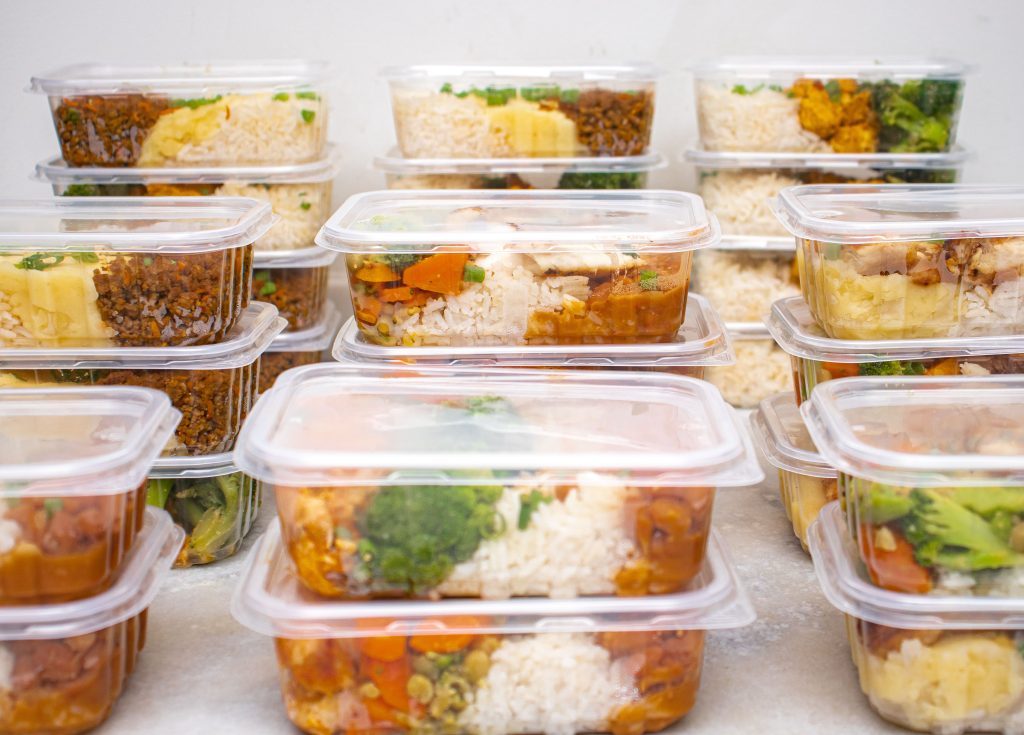
Meal prepping without portioning is just cooking ahead. Use divided containers or separate boxes for lunch and dinner portions so you’re not guessing serving sizes mid-week. Aim for about 4 to 6 ounces of protein per portion alongside a half cup to one cup of cooked grains and a generous serving of vegetables. Label containers with the day you made them so you always reach for the oldest food first and nothing gets wasted.