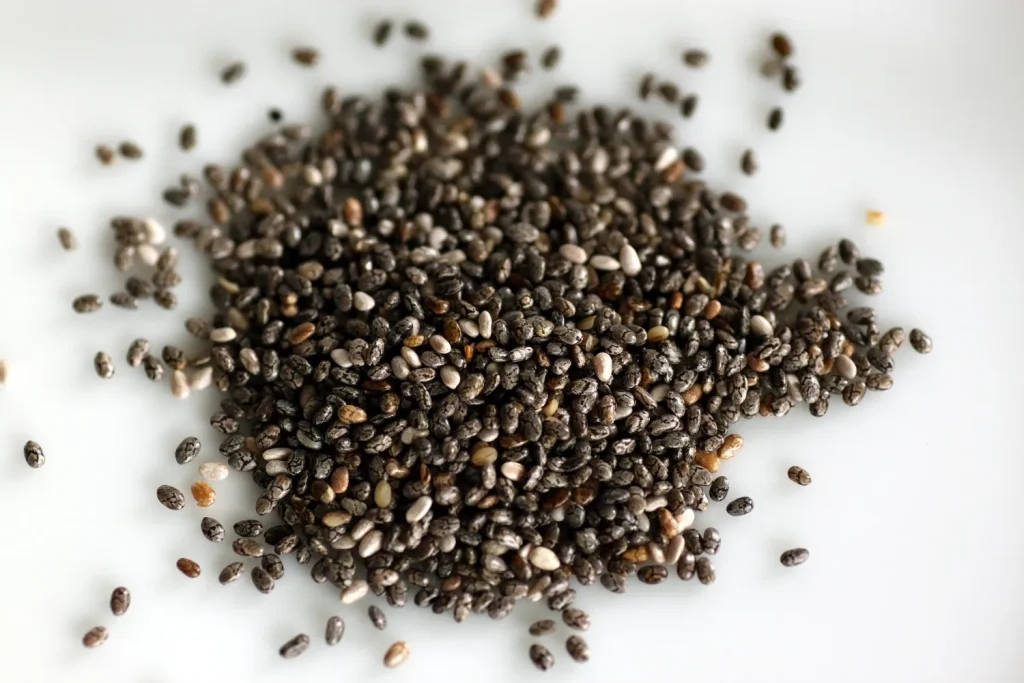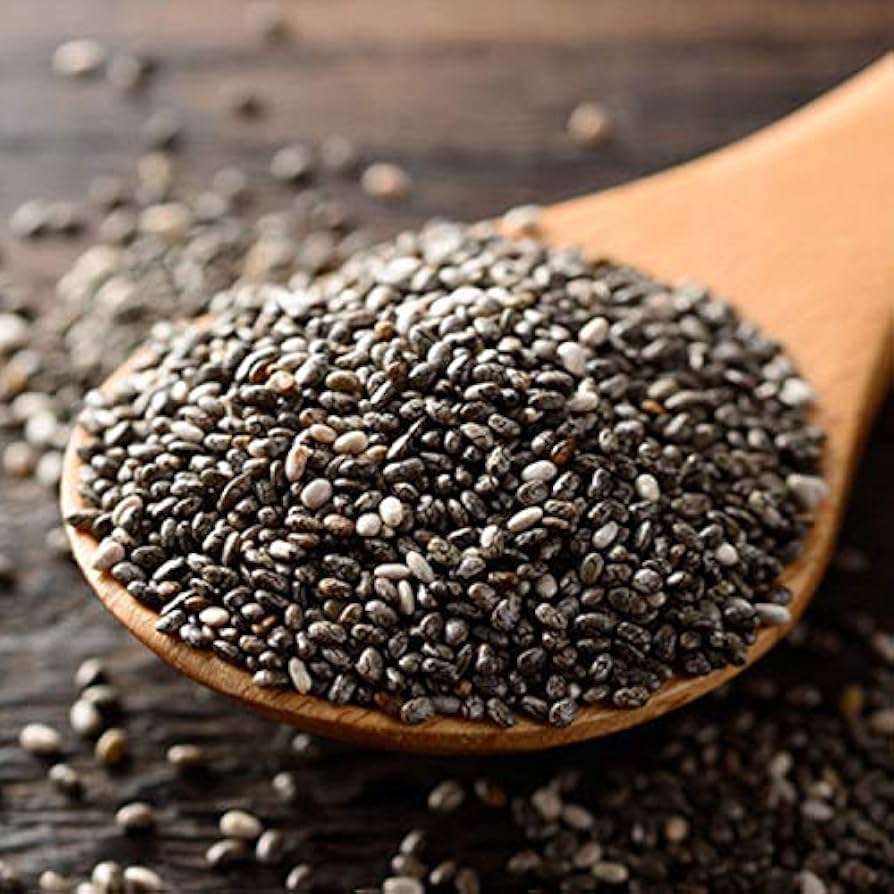
Chia seeds are often praised as a superfood, but simply adding them to your diet doesn’t automatically guarantee results. I’ve noticed that many people include chia seeds in their meals without understanding how to use them properly, which can limit their benefits or even cause discomfort.
What makes chia seeds powerful is not just their nutritional value, but how they are prepared and consumed. Small mistakes can affect digestion, nutrient absorption, and overall effectiveness. When used correctly, they can support hydration, energy, skin, and digestion—but when used incorrectly, they may do the opposite.
Here are 9 common mistakes to avoid if you want to get the most out of chia seeds.
1. Eating Chia Seeds Without Soaking Them
One of the most common mistakes is consuming chia seeds dry. At first, it might seem harmless since they’re tiny and easy to sprinkle over food, but they behave very differently once inside your body.
Chia seeds absorb liquid rapidly and expand. If you eat them dry, they can absorb water in your digestive system, which may lead to discomfort or a heavy feeling in the stomach.
Soaking them beforehand allows them to form a gel-like texture, making them easier to digest and safer to consume. It also helps your body absorb nutrients more efficiently.
Skipping this step is one of the biggest reasons people don’t experience their full benefits.
2. Consuming Too Much at Once
Another mistake I’ve seen often is assuming that more chia seeds will lead to faster or better results. Since they are packed with fiber, consuming too much in one go can overwhelm your digestive system.
This can lead to bloating, gas, or discomfort, especially if your body is not used to high fiber intake. Chia seeds work best when consumed in moderate amounts consistently.
The ideal intake is usually around one to two tablespoons per day. Starting small and gradually increasing helps your body adjust and prevents unwanted side effects.
More isn’t always better—balance is key.
3. Not Drinking Enough Water
Because chia seeds absorb a significant amount of liquid, hydration becomes extremely important. Many people forget to increase their water intake when they start consuming chia seeds regularly.
Without enough water, the seeds may not function effectively in the body and can even lead to dryness or digestive discomfort.
Drinking sufficient water helps chia seeds support hydration instead of taking away from it. It also ensures smoother digestion and better overall results.
Pairing chia seeds with proper hydration is essential but often overlooked.
4. Using Them in Isolation Without Balanced Nutrition
Chia seeds are highly nutritious, but they are not a complete solution on their own. Relying on them without a balanced diet is a mistake that can limit their effectiveness.
They work best when combined with other nutrient-rich foods like fruits, vegetables, proteins, and healthy fats. This creates a more complete nutritional profile and improves how your body absorbs their benefits.
Using chia seeds as part of a balanced meal rather than a standalone fix leads to better long-term results.
It’s about integration, not isolation.
5. Expecting Instant Results
One of the biggest misconceptions about chia seeds is expecting quick transformations. While they are beneficial, they don’t produce overnight results.
Their effects build gradually over time as your body absorbs nutrients and adapts to consistent intake. Expecting immediate changes can lead to disappointment and inconsistency.
Chia seeds work best as part of a long-term routine. When used regularly and correctly, they can contribute to noticeable improvements in digestion, energy, skin, and overall health.
Patience plays a major role in seeing real benefits.
6. Not Letting Chia Seeds Fully Soak
One mistake I made early on was not giving chia seeds enough time to soak properly. I would mix them into liquid and consume them almost immediately, thinking that was enough. But partially soaked chia seeds don’t provide the same smooth texture or digestive comfort as fully gelled ones.
When chia seeds are not fully expanded, their outer layer remains slightly firm, which can make them harder for the body to break down. This can lead to mild discomfort or reduce how efficiently nutrients are absorbed.
Allowing them to soak for at least 20–30 minutes, or even overnight, makes a noticeable difference. They become softer, easier to digest, and more effective overall. This small step improves both the experience and the benefits you get from them.
7. Adding Them to Extremely Hot Foods
Another common mistake is exposing chia seeds to very high heat. While it’s fine to add them to warm dishes, cooking them at high temperatures for long periods can affect some of their delicate nutrients, especially omega-3 fatty acids.
I used to mix them directly into hot soups or cook them in recipes without thinking about the impact. Over time, I realized that adding them after cooking or using them in no-heat recipes helps preserve their nutritional value.
This doesn’t mean you can never cook with chia seeds, but being mindful of when and how you add them makes a difference. Keeping them away from excessive heat ensures you get the maximum benefit from their nutrients.
8. Ignoring Individual Digestive Response
Many people follow general recommendations without paying attention to how their own body reacts. I’ve learned that this can be a mistake when it comes to chia seeds.
Even though they are healthy, they are also very high in fiber. Some people may feel perfectly fine with two tablespoons daily, while others may need to start with less. Ignoring your body’s signals can lead to bloating or discomfort.
Adjusting the quantity based on how you feel is important. Starting small and gradually increasing intake allows your digestive system to adapt. Listening to your body ensures that chia seeds remain beneficial rather than uncomfortable.
9. Using Low-Quality or Improperly Stored Chia Seeds
Not all chia seeds are the same, and this is something I didn’t pay attention to at first. Using low-quality seeds or storing them incorrectly can reduce their effectiveness.
Chia seeds contain healthy fats that can go rancid if exposed to heat, light, or air for long periods. If they are not stored in an airtight container in a cool, dry place, their nutritional value may decline.
Choosing good-quality seeds and storing them properly helps maintain their freshness and benefits. It’s a simple detail, but one that plays a role in getting the best results from your diet.
Chia seeds are simple, but using them incorrectly can reduce their effectiveness. Avoiding these common mistakes—like eating them dry, overconsuming, ignoring hydration, relying on them alone, and expecting instant results—can make a significant difference.
When you focus on proper preparation, moderation, and consistency, chia seeds become a reliable addition to a healthy lifestyle. Small adjustments in how you use them can lead to much better outcomes over time.