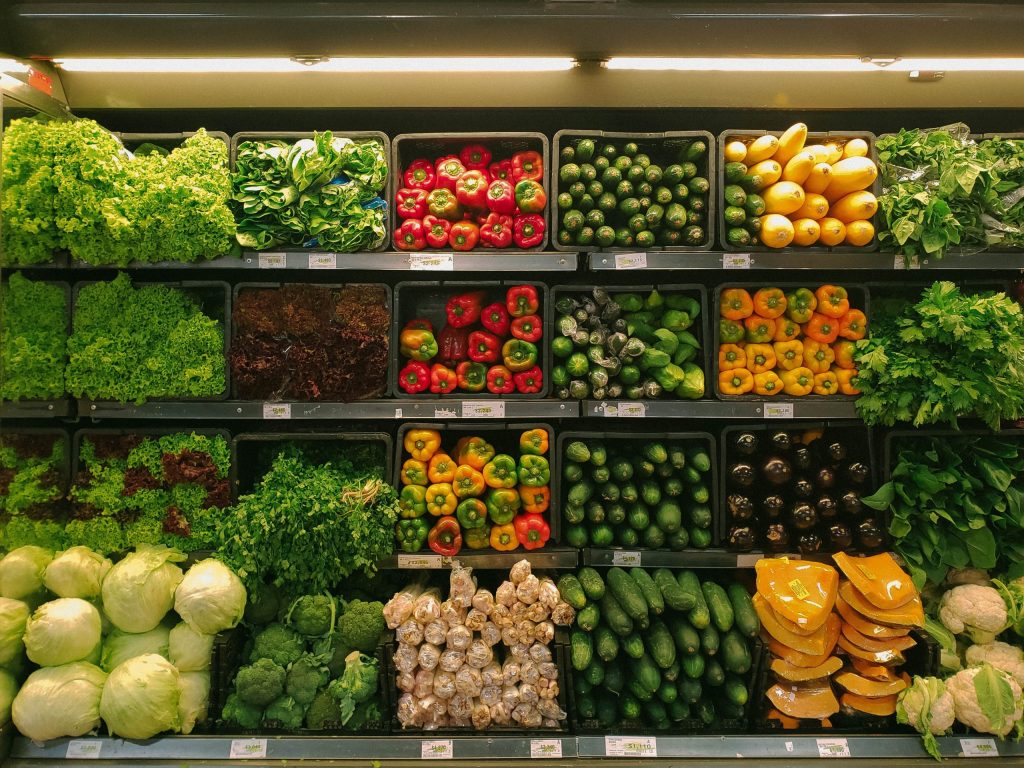
You can build a strong plant-based grocery routine with a short list of repeat-buy staples that work across breakfasts, lunches, dinners, and snacks. The best weekly cart usually starts with produce, then adds beans, lentils, tofu, grains, nuts, seeds, and a few reliable pantry items that make meals easy to assemble.
This list is ranked for real-world usefulness, not just variety. You will see foods that store well, show up in bowls, soups, salads, stir-fries, and meal prep, and help you keep your week balanced without relying on ultra-processed substitutes.
- 1) Baby Spinach
- 2) Broccoli Crowns
- 3) Rolled Oats
- 4) Canned Black Beans
- 5) Brown Rice
- 6) Sweet Potatoes
- 7) Bananas
- 8) Firm Tofu
- 9) Frozen Blueberries
- 10) Avocados
- 11) Lentils
- 12) Chickpeas
- 13) Kale
- 14) Bell Peppers
- 15) Carrots
- 16) Apples
- 17) Ground Flaxseed
- 18) Chia Seeds
- 19) Unsweetened Soy Milk
- 20) Quinoa
- 21) Onions
- 22) Garlic
- 23) Frozen Mixed Vegetables
- 24) Tomatoes
- 25) Cucumber
- 26) Mushrooms
- 27) Natural Peanut Butter
- 28) Almonds
- 29) Walnuts
- 30) Frozen Edamame
- 31) Whole-Grain Bread
- 32) Whole-Wheat Pasta
- 33) Russet Potatoes
- 34) Cauliflower
- 35) Zucchini
- 36) Oranges
- 37) Strawberries
- 38) Raspberries
- 39) Cabbage
- 40) Beets
- 41) Fresh Parsley
- 42) Fresh Cilantro
- 43) Lemons
- 44) Tahini
- 45) Pumpkin Seeds
- 46) Tempeh
- 47) Unsweetened Oat Milk
- 48) Vegetable Broth
- 49) Frozen Mango Chunks
- 50) Medjool Dates
- How To Build A Balanced Weekly Plant-Based Cart
- What To Look For When Buying Plant-Based Staples
- How To Make This List Work On A Budget
1) Baby Spinach
Baby spinach earns a spot in your cart because you can use it almost anywhere. It wilts into pasta, folds into tofu scrambles, blends into smoothies, and works as an easy salad base when you need something fast.
It also gives you a simple way to add greens without much prep. A clamshell usually disappears quickly in a busy week, so it is a smart first pick when you are building a produce-first cart.
2) Broccoli Crowns
Broccoli crowns are one of the most useful cruciferous vegetables you can buy. You can roast them, steam them, stir-fry them, or chop them into grain bowls and sheet-pan meals.
They hold up well in the fridge and keep their texture better than many delicate vegetables. If you want a reliable side that also adds fiber and volume, broccoli is a week-after-week staple.
3) Rolled Oats
Rolled oats are a breakfast anchor, and they pull double duty in snacks and baking. You can make oatmeal, overnight oats, smoothie boosters, and simple energy bites with very little effort.
They are also budget-friendly and easy to keep on hand. A single container can cover several breakfasts, which makes oats one of the most practical plant-based staples in your pantry.
4) Canned Black Beans
Canned black beans are one of the fastest ways to add protein and fiber to a meal. You can rinse them and use them in burrito bowls, soups, salads, tacos, and grain skillets.
Keep an eye on sodium and choose low-sodium versions when you can. They are especially useful on nights when you need dinner with almost no cooking.
5) Brown Rice
Brown rice gives you a sturdy base for bowls, stir-fries, and simple meal prep. It pairs well with beans, tofu, roasted vegetables, and sauces of almost any style.
The extra chew and nutty flavor make it feel more substantial than white rice. Batch-cooking a pot at the start of the week can save you time for several meals.
6) Sweet Potatoes
Sweet potatoes are one of the most flexible vegetables in a plant-based cart. You can roast them, bake them, mash them, cube them for bowls, or use them in breakfast hash.
They store well and work in both savory and slightly sweet dishes. If you want an ingredient that feels filling and easy to build around, this is a strong weekly buy.
7) Bananas
Bananas are a dependable fruit for quick breakfasts and snacks. They fit into oatmeal, smoothies, peanut butter toast, and simple freezer prep for later use.
They are also one of the easiest fruits to keep around for a busy week. Buy some ripe and some slightly green so your fruit bowl lasts longer.
8) Firm Tofu
Firm tofu is one of the most useful plant proteins in your weekly rotation. It crisps in the oven, browns in a skillet, and soaks up marinades well for stir-fries and bowls.
It also keeps well in the fridge before opening, which makes it convenient to stock up. If you are building a balanced cart, tofu is a reliable anchor protein.
9) Frozen Blueberries
Frozen blueberries make breakfast and snack prep easier. You can stir them into oatmeal, blend them into smoothies, or thaw them for yogurt bowls and chia pudding.
Frozen fruit helps you avoid waste when fresh berries are pricey or short-lived. A bag of blueberries gives you color, flavor, and convenience all week.
10) Avocados
Avocados bring creaminess to toast, salads, bowls, and wraps. They also help simple meals feel more complete without much effort.
Because ripeness can change quickly, it helps to buy a mix of ready-to-eat and firmer avocados. That way, you get a window of use across several days.
11) Lentils
Lentils are one of the easiest plant-based proteins to keep in regular rotation. They work in soups, curries, salads, and savory grain bowls, and they cook faster than most dried beans.
Red, green, and brown lentils all have slightly different textures, which gives you room to vary meals. They are a strong choice when you want a budget-friendly, high-fiber staple.
12) Chickpeas
Chickpeas are a versatile pantry item for Mediterranean-style meals, salads, and quick roasting. You can mash them for sandwiches, toss them into stews, or season them for snacks.
They bring a mild flavor that works with almost any sauce or spice blend. Keep both canned and dried versions in mind if you like to meal prep ahead.
13) Kale
Kale is useful when you want a sturdier green that holds up to heat and dressing. It works well in sautés, soups, roasted vegetable bowls, and massaged salads.
It lasts longer than many tender greens, which makes it a practical weekly buy. A bunch can cover several meals if you strip the leaves and store them properly.
14) Bell Peppers
Bell peppers add crunch, color, and a naturally sweet flavor to savory meals. They are easy to slice into salads, roast with other vegetables, or toss into fajitas and stir-fries.
They also work well raw, so you can use them for snacking or quick lunch prep. Mixing red, yellow, and green peppers keeps your meals from feeling repetitive.
15) Carrots
Carrots are one of the most dependable vegetables for weekly shopping. They store well, roast beautifully, and add texture to soups, slaws, and grain bowls.
You can also keep them raw for snacks, lunchboxes, or quick dips. Their long shelf life makes them especially useful when your meal plan changes midweek.
16) Apples
Apples are an easy grab-and-go fruit that holds up well in the fridge or on the counter. You can pair them with nut butter, slice them into oats, or chop them into salads.
Different varieties give you different levels of sweetness and crunch. A few apples in your cart help cover both snacks and breakfast.
17) Ground Flaxseed
Ground flaxseed is a small add-on that earns its place in your cart. You can stir it into oatmeal, smoothies, pancake batter, or overnight oats without changing the flavor much.
It also works well as an egg replacer in simple baking. Keep it refrigerated or in a cool cupboard so it stays fresh longer.
18) Chia Seeds
Chia seeds are a low-effort way to build breakfast and snack prep. They thicken into pudding, add texture to oatmeal, and blend into smoothies for extra body.
They keep well in the pantry and a little goes a long way. If you like make-ahead food, chia is one of the easiest staples to use consistently.
19) Unsweetened Soy Milk
Unsweetened soy milk is one of the most practical dairy alternatives for plant-based shopping. It works in cereal, coffee, oatmeal, smoothies, and baking.
Choose an unsweetened version so you control the flavor and sugar level in your meals. It is also a smart option when you want a more reliable protein-rich milk substitute.
20) Quinoa
Quinoa is a flexible grain-like staple that fits into warm bowls, cold salads, and simple meal prep. It cooks relatively fast and pairs well with beans, greens, and roasted vegetables.
Its light, nutty flavor makes it easy to season in different ways through the week. Keep it around when you want a grain that feels a little more varied than rice.
21) Onions
Onions are the flavor base for a huge range of plant-based meals. You can sauté them for soups, curries, sauces, and skillet dinners, or roast them with other vegetables.
They keep well and make simple ingredients taste more finished. A weekly cart without onions usually feels like it is missing depth.
22) Garlic
Garlic adds immediate flavor to beans, vegetables, grains, and sauces. Fresh garlic is worth keeping on hand because it lifts simple foods without adding much effort.
You can roast it, mince it, or smash it into dressings and marinades. It is one of the best examples of a small ingredient that changes the whole meal.
23) Frozen Mixed Vegetables
Frozen mixed vegetables are a practical backup for rushed weeks. You can stir them into fried rice, soups, pasta, and quick skillet meals without washing or chopping.
They help you keep plant-based meals moving even when fresh produce runs low. A bag or two in the freezer can save dinner more than once.
24) Tomatoes
Tomatoes are useful fresh, cooked, and blended. You can use them in salads, sandwiches, sautés, soups, and grain bowls.
Cherry tomatoes, vine tomatoes, and roma tomatoes all serve different jobs in the kitchen. If you keep a mix on hand, you are more likely to build meals with good flavor and texture.
25) Cucumber
Cucumber is a simple way to add crunch and freshness. It works in salads, bowls, wraps, and quick snacks with hummus or tahini-based dips.
Because it is so refreshing, it helps balance heavier foods like grains and beans. It is especially helpful when you want lunch to feel light but still filling.
26) Mushrooms
Mushrooms bring a savory, meaty texture that fits naturally into plant-based cooking. You can sauté them for toast, add them to pasta, or roast them with vegetables and herbs.
They cook down well and take on plenty of flavor from garlic, soy sauce, or broth. Button, cremini, and portobello mushrooms all earn their place in a weekly cart.
27) Natural Peanut Butter
Natural peanut butter is a fast source of flavor, fat, and staying power. You can spread it on toast, stir it into oats, blend it into sauces, or pair it with fruit for a snack.
Look for a short ingredient list, ideally just peanuts and maybe salt. It is one of the easiest ways to make simple foods more satisfying.
28) Almonds
Almonds are useful for snacking, topping salads, or adding crunch to oatmeal and grain bowls. A small handful can help a meal feel more complete.
They keep well and travel easily, which makes them a good desk, bag, or car snack. If you buy them in bulk, they can stretch across several weeks.
29) Walnuts
Walnuts add richness and a soft crunch to salads, oatmeal, and baked goods. They also work well in pesto-style sauces and savory grain bowls.
Their flavor is slightly deeper than almonds, so they are good when you want variety. Keep them chilled if you do not go through them quickly.
30) Frozen Edamame
Frozen edamame is an easy protein add-on for bowls, salads, and snack plates. You can steam it in minutes or toss it into rice and noodle dishes.
It is especially useful when you want something fast that still feels substantial. Keep a bag in the freezer for busy nights and post-workout meals.
31) Whole-Grain Bread
Whole-grain bread gives you a quick base for breakfast, lunch, and snacks. It works with avocado, nut butter, hummus, and simple vegetable toppings.
Look for a loaf with whole grains as the first ingredient and decent fiber. A sturdy slice can carry a lot of your weekly meal prep.
32) Whole-Wheat Pasta
Whole-wheat pasta is a useful pantry staple when you want a filling meal fast. It pairs well with vegetables, beans, tomato sauce, and olive-oil-based dressings.
Its extra fiber and heartier texture make it a smarter repeat buy than refined pasta for many shoppers. Keep a box ready for nights when dinner needs to be low effort.
33) Russet Potatoes
Russet potatoes are a budget-friendly base for baked potatoes, mashed potatoes, soups, and skillet meals. They are satisfying and easy to season in different ways.
They also store well in a cool, dark place, which helps you stretch your grocery budget. A few potatoes can cover a surprising number of meals.
34) Cauliflower
Cauliflower is one of the most adaptable vegetables in the produce aisle. You can roast it, mash it, rice it, or add it to soups and curries.
It absorbs seasoning well, which makes it useful in a wide range of plant-based recipes. When you want one vegetable that can play multiple roles, cauliflower is a strong pick.
35) Zucchini
Zucchini is a quick-cooking vegetable that works in sautés, pasta, sheet pans, and breakfast scrambles. It is mild enough to pair with almost anything, which makes it easy to use up.
It also fits into both warm and cold dishes, depending on the day. If you like flexible produce, zucchini belongs in your weekly cart.
36) Oranges
Oranges are a simple, portable fruit that holds well during the week. You can eat them plain, segment them into salads, or pack them for snacks.
Their bright flavor helps balance savory meals and heavier lunch boxes. A few oranges add variety without much prep.
37) Strawberries
Strawberries are a go-to fruit for oatmeal, smoothies, snack plates, and simple desserts. Fresh berries are best when you plan to use them within a few days.
They add color and natural sweetness to breakfast prep. If fresh strawberries are expensive, frozen ones can cover a lot of the same uses.
38) Raspberries
Raspberries bring a tart, delicate flavor that works well in breakfast bowls and fruit snacks. They are good for topping oats, chia pudding, and plant-based yogurt.
Because they are more delicate than some fruits, it helps to use them early in the week. When they are good, they make simple breakfasts feel brighter.
39) Cabbage
Cabbage is one of the most budget-friendly vegetables you can buy. It lasts a long time and works in slaws, stir-fries, soups, tacos, and roasted dishes.
Green, red, and napa cabbage each bring a slightly different texture. A head of cabbage can quietly stretch your meals for days.
40) Beets
Beets add earthy flavor, color, and variety to your produce list. You can roast them, grate them raw into salads, or blend them into grain bowls and dips.
They store well and make meals look more interesting with very little effort. If you want a weekly vegetable that feels a little different, beets fit the job.
41) Fresh Parsley
Fresh parsley is an easy herb that brightens beans, roasted vegetables, salads, and grain bowls. It adds freshness without overpowering the rest of the meal.
You can chop it into sauces or sprinkle it over finished dishes. A bunch goes a long way when you use it as a finishing herb.
42) Fresh Cilantro
Fresh cilantro is especially useful if you like tacos, rice bowls, salsas, and lentil dishes. It adds a sharp, fresh note that makes simple ingredients taste more complete.
Because it can fade quickly, use it earlier in the week. It is one of the easiest ways to make plant-based meals taste more lively.
43) Lemons
Lemons are one of the most versatile items in a plant-based kitchen. You can use the juice in dressings, sauces, marinades, and grain bowls, or use zest for extra brightness.
They help simple foods taste more balanced and less flat. Keeping a few lemons around is an easy upgrade for nearly every meal.
44) Tahini
Tahini is a creamy sesame paste that works well in dressings, sauces, dips, and grain bowls. It helps tie together roasted vegetables, chickpeas, and greens.
It is especially useful when you want a richer sauce without dairy. A spoonful can turn basic ingredients into something that tastes more finished.
45) Pumpkin Seeds
Pumpkin seeds add crunch to salads, oatmeal, roasted vegetables, and snack mixes. They are easy to sprinkle on top of meals for extra texture.
They also store well and are simple to portion out. If you like a little bite in your food, seeds are a smart weekly add-on.
46) Tempeh
Tempeh is a hearty protein choice when you want something firmer than tofu. It works well sliced, crumbled, or marinated for skillet meals, sandwiches, and bowls.
Its nutty flavor pairs nicely with bold sauces and spices. Keep it in mind when you want more variety in your protein rotation.
47) Unsweetened Oat Milk
Unsweetened oat milk is a smooth, mild dairy alternative that works well in coffee, cereal, smoothies, and creamy soups. It is popular for its texture and easy flavor.
Choose unsweetened versions to keep added sugar in check. It is a useful option when you want a softer taste than soy milk.
48) Vegetable Broth
Vegetable broth is a quiet staple that supports soups, risottos, grain dishes, and sautéed vegetables. It adds depth when you are cooking beans, lentils, or pasta sauces.
Low-sodium broth gives you more control over seasoning. Keep cartons or bouillon on hand so you can build flavor fast.
49) Frozen Mango Chunks
Frozen mango chunks are great for smoothies, smoothie bowls, and quick chilled snacks. They blend easily and give you tropical sweetness without waste.
Frozen fruit is especially helpful when fresh produce is out of season or too expensive. Mango is one of the easiest ways to keep fruit prep convenient.
50) Medjool Dates
Medjool dates are a useful natural sweetener for energy bites, snack bars, and smoothies. They also work well stuffed with nut butter or chopped into oatmeal.
Their sticky texture makes them especially good for no-bake snacks. Keep a small container in the pantry when you want a sweet option that still feels simple.
How To Build A Balanced Weekly Plant-Based Cart
Prioritize Produce First
Start with the vegetables and fruit you know you will actually use. A cart built around greens, cruciferous vegetables, root vegetables, and a few fruits tends to support better meal variety across the week.
Add A Reliable Protein In Every Trip
Make sure every shop includes a few strong protein anchors, such as tofu, tempeh, beans, lentils, edamame, nuts, and seeds. That keeps lunch and dinner more satisfying without leaning on processed substitutes.
Use Grains And Potatoes For Meal Base Variety
Rotate between brown rice, quinoa, oats, whole-grain bread, whole-wheat pasta, and potatoes so your meals do not feel repetitive. Different bases make the same vegetables and proteins feel new.
Keep Frozen Backups For Busy Weeks
Frozen vegetables and fruit are your safety net. They help you keep cooking when fresh produce runs low, and they reduce waste when your schedule changes.
What To Look For When Buying Plant-Based Staples
Choose Unsweetened Dairy Alternatives
Check labels on plant milks and yogurt alternatives so you are not adding unnecessary sugar. Unsweetened soy milk and unsweetened oat milk are especially useful for everyday cooking and breakfast prep.
Favor Whole Grains Over Refined Grains
When you can, choose brown rice, quinoa, oats, whole-grain bread, and whole-wheat pasta. These options usually give you more fiber and a steadier, more filling meal base.
Watch Sodium In Canned And Packaged Items
Canned beans, broth, and packaged sauces can be very convenient, so it helps to compare sodium levels. Lower-sodium options give you more control over the final flavor.
Buy Produce Based On Shelf Life And Meal Plan
Pick tender produce for early-week meals and sturdier items for later in the week. Baby spinach, berries, and cucumbers go fast, while cabbage, carrots, potatoes, and onions keep longer.
How To Make This List Work On A Budget
Use Canned And Dried Beans Strategically
Canned beans save time, while dried beans save money if you cook them in batches. Rotating black beans, chickpeas, lentils, and edamame gives you protein without overspending.
Lean On Frozen Fruit And Vegetables
Frozen blueberries, mango, and mixed vegetables can be cheaper than fresh versions and just as useful in smoothies, oatmeal, soups, and stir-fries. They also help cut food waste.
Buy Nuts And Seeds In Bulk When Possible
Almonds, walnuts, pumpkin seeds, chia seeds, and ground flaxseed are often more affordable in larger bags. Store them well so you can use small amounts across many meals.
Repeat Ingredients Across Multiple Meals
Use the same few ingredients in different ways, such as spinach in smoothies and sautés, or chickpeas in salads and bowls. Repetition is what makes a plant-based cart practical, affordable, and easy to stick with.