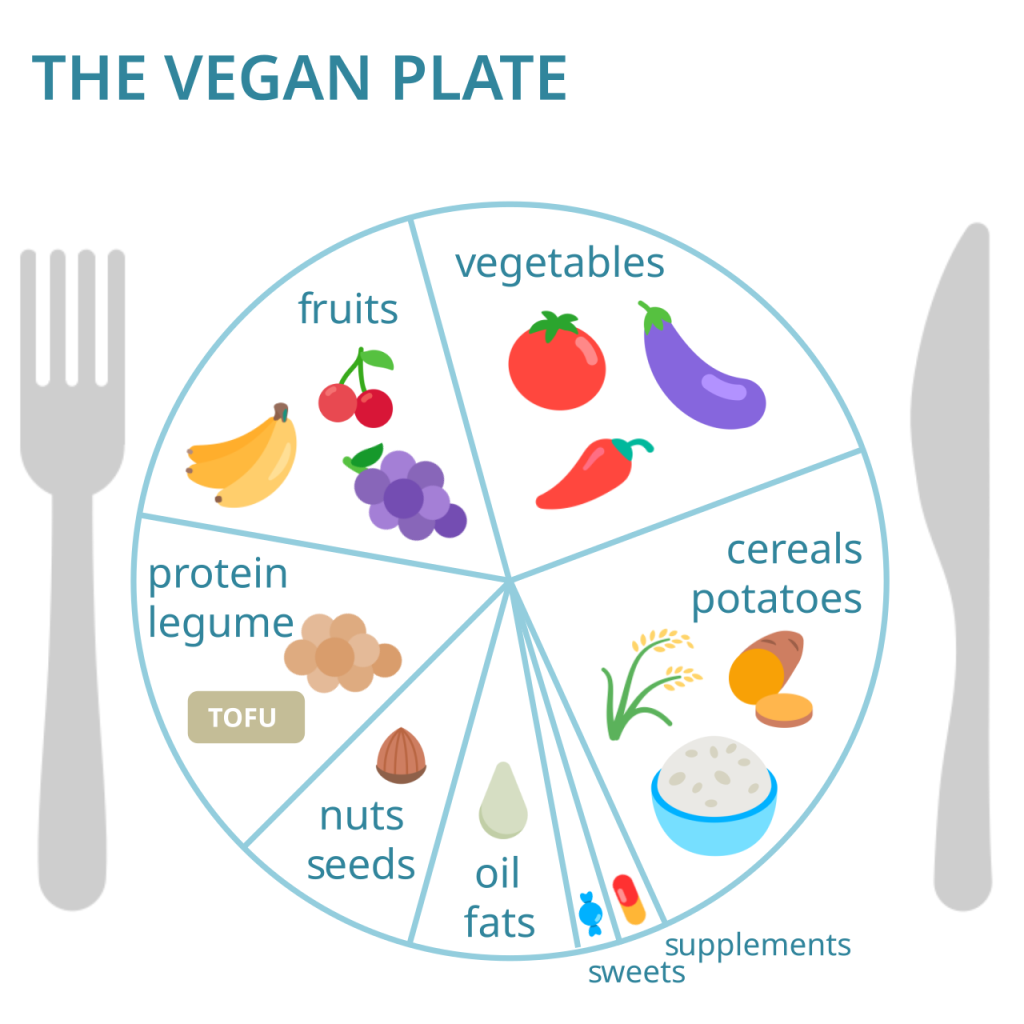
When people first switch to a plant-based diet, one question comes up again and again: “Am I getting enough protein?”
It’s one of the most common concerns for beginners. Many assume that without meat, eggs, or dairy, meeting protein needs becomes complicated.
But the truth is much simpler.
Plant foods contain plenty of protein — the challenge is usually not the amount, but how you structure your meals. Many beginners unknowingly miss small strategies that make a big difference.
Once you understand these hidden protein tricks, getting enough protein on a vegan diet becomes surprisingly easy.
Here are 8 simple but powerful protein habits most plant-based beginners overlook.
1. Combining Foods That Naturally Complement Each Other
One of the oldest nutrition strategies in plant-based eating is combining foods that naturally complement each other’s amino acids.
Plant proteins sometimes contain lower levels of certain essential amino acids. But when you combine different plant foods in the same meal, they balance each other out.
For example, grains and legumes work beautifully together.
Rice and beans
Lentils and whole-grain bread
Hummus and pita
Peanut butter on whole-grain toast
These combinations create a more complete amino acid profile.
The key thing beginners miss is that this doesn’t need to happen in a perfectly planned way. Simply eating a variety of plant foods throughout the day naturally supports protein balance.
Traditional cuisines around the world have followed this pattern for centuries without even thinking about it.
Once you begin pairing foods this way, your protein intake improves automatically.
2. Using Seeds as Hidden Protein Boosters
Seeds are one of the most underrated protein sources in plant-based diets.
Because they’re small, many beginners overlook them. But seeds are incredibly nutrient-dense and can significantly increase the protein content of your meals without changing the flavor much.
Chia seeds, hemp seeds, pumpkin seeds, and sunflower seeds all contain protein along with healthy fats and minerals.
The trick is not eating them separately — it’s sprinkling them into everyday meals.
Add chia seeds to oatmeal.
Blend hemp seeds into smoothies.
Top salads with pumpkin seeds.
Mix sunflower seeds into grain bowls.
These tiny additions quietly add extra protein to meals you’re already eating.
Over the course of a day, these small boosts add up more than most people expect.
3. Choosing Protein-Rich Plant Staples
Another mistake beginners make is relying too heavily on vegetables alone.
Vegetables are extremely healthy, but they aren’t usually the main protein source in a plant-based diet.
The real protein powerhouses are plant staples like legumes, soy foods, and whole grains.
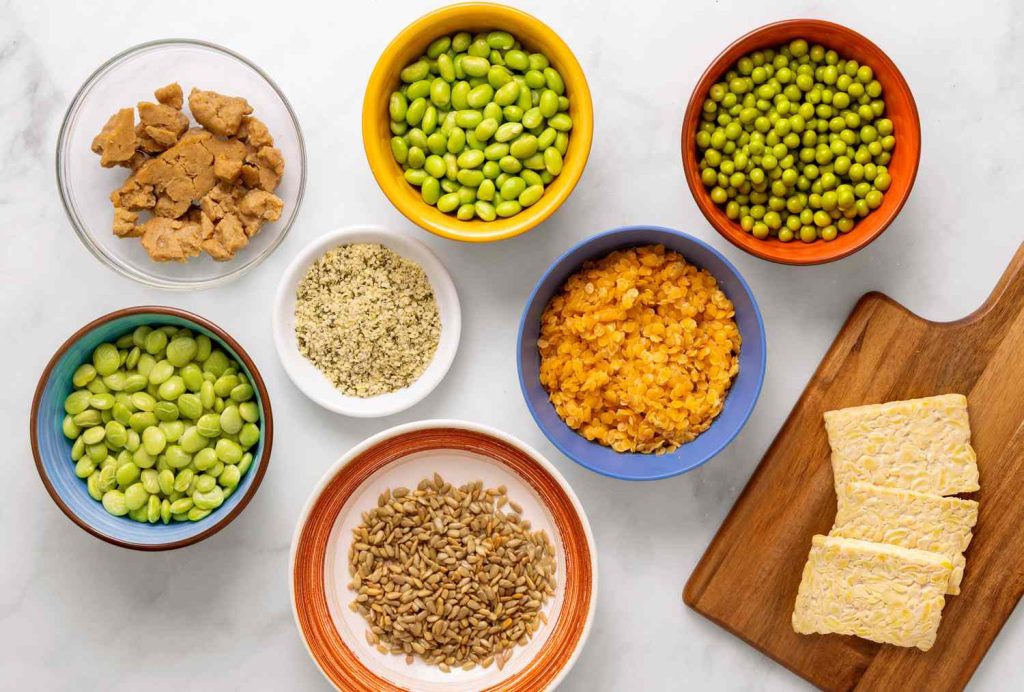
Lentils, chickpeas, black beans, kidney beans, tofu, tempeh, edamame, quinoa, and oats all contain meaningful amounts of protein.
When experienced vegans build meals, they usually start with one of these foods as the base.
For example:
A lentil bowl with roasted vegetables
A tofu stir-fry with brown rice
A chickpea salad wrap
A quinoa vegetable bowl
When your meal begins with a protein-rich plant staple, everything else simply builds around it.
This approach makes hitting daily protein needs much easier.
4. Spreading Protein Throughout the Day
One of the biggest hidden mistakes beginners make is eating most of their protein in a single meal.
For example, someone might eat a low-protein breakfast, a light lunch, and then try to compensate with a protein-heavy dinner.
But the body actually benefits more when protein intake is spread across multiple meals.
Instead of relying on one large protein source later in the day, try including moderate protein at each meal.
Oatmeal with peanut butter and seeds for breakfast.
A chickpea or lentil meal for lunch.
Tofu, beans, or tempeh for dinner.
Nuts or hummus as snacks.
This pattern helps maintain steady energy and supports muscle repair throughout the day.
When protein is distributed this way, your body can use it more efficiently.
And you’re far less likely to worry about whether you’re getting enough.
5. Using Nutritional Yeast as a Hidden Protein Booster
Many plant-based beginners discover nutritional yeast for its cheesy flavor, but they often overlook another benefit: it contains a surprising amount of protein.
Nutritional yeast is a deactivated yeast that’s commonly used in vegan cooking to add a savory, umami taste to foods. Just a few tablespoons can provide several grams of protein along with important nutrients like B vitamins.
What makes this trick powerful is how easy it is to add to everyday meals.
You can sprinkle it on popcorn, stir it into pasta sauces, mix it into mashed potatoes, blend it into salad dressings, or add it to soups. Because the flavor is mild and nutty, it blends naturally into many dishes.
This means your meals gain extra protein without needing major changes to your routine.
Over time, these small additions quietly increase your daily protein intake.
6. Turning Snacks Into Mini Protein Meals
Many beginners think of snacks as something separate from nutrition — quick fruit, chips, or something sweet to hold them over until the next meal.
But experienced plant-based eaters often use snacks strategically.
Instead of empty snacks, they build mini protein meals between larger meals.
A banana with peanut butter.
Apple slices with almond butter.
Hummus with carrots and whole-grain crackers.
Roasted chickpeas or trail mix.
These snacks add extra protein throughout the day without feeling like heavy meals.
They also help maintain steady blood sugar levels, preventing energy crashes that sometimes happen on poorly planned vegan diets.
When snacks become intentional sources of nutrition, protein intake naturally increases.
7. Choosing Soy Foods More Often
Soy foods are among the most complete and efficient plant-based protein sources, yet many beginners hesitate to use them regularly.
Tofu, tempeh, and edamame contain all nine essential amino acids and offer protein levels comparable to many animal-based foods.
What beginners often miss is how versatile soy foods can be.
Tofu can be scrambled for breakfast, grilled for lunch, or added to stir-fries for dinner. Tempeh has a firmer texture that works well in sandwiches, bowls, and sautés. Edamame makes an easy high-protein snack.
These foods are staples in many traditional Asian diets and have been consumed safely for centuries.
When incorporated regularly, they make meeting protein needs extremely simple on a plant-based diet.
8. Cooking Larger Batches of Legumes
One hidden protein trick that makes vegan eating easier is batch cooking legumes.
Beans and lentils are among the best protein sources available to plant-based eaters. But beginners often rely on canned versions occasionally instead of making them a consistent staple.
Cooking larger batches changes that.
When you prepare a pot of lentils, chickpeas, or black beans at the beginning of the week, they become ready-to-use ingredients for multiple meals.
You can add them to salads, wraps, soups, grain bowls, and pasta dishes.
This removes the effort from meal preparation and ensures that protein-rich foods are always available.
Once legumes become a regular part of your weekly routine, hitting protein targets becomes effortless.
9. Upgrading Smoothies With Plant Protein Ingredients
Smoothies are popular in plant-based diets, but many beginners unintentionally turn them into fruit-heavy drinks with very little protein.
The hidden trick is transforming smoothies into balanced meals by adding protein-rich ingredients.
Instead of blending only fruit and plant milk, you can include foods like silken tofu, hemp seeds, peanut butter, chia seeds, or oats.
These ingredients increase protein while also adding healthy fats and fiber that keep you full longer.
For example, a smoothie made with banana, peanut butter, soy milk, and hemp seeds becomes a satisfying and protein-rich meal rather than just a quick drink.
This simple upgrade turns smoothies into one of the easiest ways to increase protein intake without much effort.
The Bigger Lesson About Plant-Based Protein
Most plant-based beginners worry about protein because they imagine it requires strict planning or complicated formulas.
But in reality, the solution is much simpler.
Add protein-rich staples.
Use small boosters like seeds and nutritional yeast.
Turn snacks into opportunities for nutrition.
Include legumes and soy foods regularly.
These small strategies quietly build up your protein intake throughout the day.
And once they become habits, getting enough protein on a plant-based diet stops being a challenge — it simply becomes part of your everyday routine.