Trying a vegan diet for 30 days is something many people consider at some point—sometimes out of curiosity, sometimes for health reasons, or simply to challenge their usual eating habits.
At first, the idea can feel overwhelming. You start wondering what you’ll eat, whether you’ll feel hungry, or if your energy will drop.
But what many people discover is that the experience is far more interesting than they expected.
After 30 days of eating only plant-based foods, several changes begin to appear—some physical, some mental, and some completely unexpected.
Here’s what often changes during a 30-day vegan experiment.
1. Your Grocery Shopping Completely Changes
One of the first noticeable changes happens in the grocery store. Foods that once made up a large part of the cart—meat, cheese, eggs, and dairy—are suddenly replaced with different staples.
Instead, the cart begins filling up with beans, lentils, rice, tofu, fruits, vegetables, nuts, seeds, and plant-based milks.
At first, grocery shopping might feel confusing because you’re learning to look at new ingredients and read labels more carefully. But after a few trips, something interesting happens.
Shopping becomes simpler. You start focusing more on whole foods and basic ingredients rather than heavily processed items.
Over time, many people notice their grocery carts becoming more colorful and diverse than before.
2. Your Energy Becomes More Stable
During the first week, energy levels can fluctuate slightly as your body adjusts to the new diet.
But after that adjustment period, many people report a more stable energy pattern throughout the day. Plant-based meals tend to be rich in fiber and complex carbohydrates, which release energy gradually rather than causing sharp spikes and crashes.
This often means fewer afternoon energy dips and less reliance on caffeine or sugary snacks.
Instead of feeling overly full after meals, many people experience a lighter, more steady sense of energy.
3. You Become More Aware of What You Eat
Going vegan naturally increases awareness about food choices.
You begin reading ingredient lists more carefully. You start noticing how often animal-derived ingredients appear in everyday foods. But beyond that, you become more conscious of nutrition in general.
You may start paying attention to protein sources, vitamins like B12, and how to balance meals with grains, legumes, vegetables, and healthy fats.
This awareness often leads to more thoughtful eating habits—even beyond the vegan challenge itself.
Food becomes less automatic and more intentional.
4. You Discover New Foods and Recipes
Another unexpected change during a vegan challenge is the number of new foods you discover.
Many people experiment with ingredients they rarely used before, such as lentils, chickpeas, tofu, tempeh, nutritional yeast, or different whole grains. You may also explore cuisines that naturally include many plant-based dishes—such as Indian, Mediterranean, Middle Eastern, or Southeast Asian cooking.
Meals become an opportunity to try new flavors and combinations.
Instead of relying on the same familiar recipes, cooking often becomes more creative.
For many people, this culinary discovery becomes one of the most enjoyable parts of the experience.
5. Your Digestion May Improve
Plant-based diets are typically higher in fiber than diets that include a lot of animal products.
Fiber plays an important role in digestive health by supporting gut bacteria and helping food move smoothly through the digestive system.
As a result, many people notice improvements in digestion during a vegan challenge. Meals may feel lighter, and digestion may become more regular.
However, because fiber intake increases quickly when switching to plant-based foods, some people may experience mild bloating at first.
This usually fades as the body adjusts to the higher fiber intake.
6. You Rethink Your Relationship With Food
After 30 days, the most meaningful changes often go beyond physical health.
Trying a vegan diet can shift the way you think about food choices.
You start noticing how your meals affect your energy, digestion, and overall well-being. You become more aware of where food comes from and how different ingredients contribute to nutrition.
Some people continue eating vegan after the 30 days. Others return to their previous diet but keep many plant-based habits they discovered during the challenge. Either way, the experience often leaves a lasting impression.
It encourages people to think more consciously about what they eat and why.
7. Your Cravings Start to Change
One surprising thing that happens during a 30-day vegan challenge is how your cravings begin to shift. At first, you might miss familiar foods like cheese or certain comfort meals.
But after a couple of weeks, something interesting happens. Your taste preferences slowly adapt.
Fruits may start tasting sweeter. Whole foods become more satisfying.
Many people notice they begin craving foods like roasted vegetables, fresh smoothies, or hearty grain bowls. The body gradually adjusts to the new pattern of eating.
What once felt like a restriction begins to feel normal.
8. You Spend More Time Thinking About Balanced Meals
During the first few days, meal planning may feel a little confusing. You start asking yourself what foods will keep you full and energized.
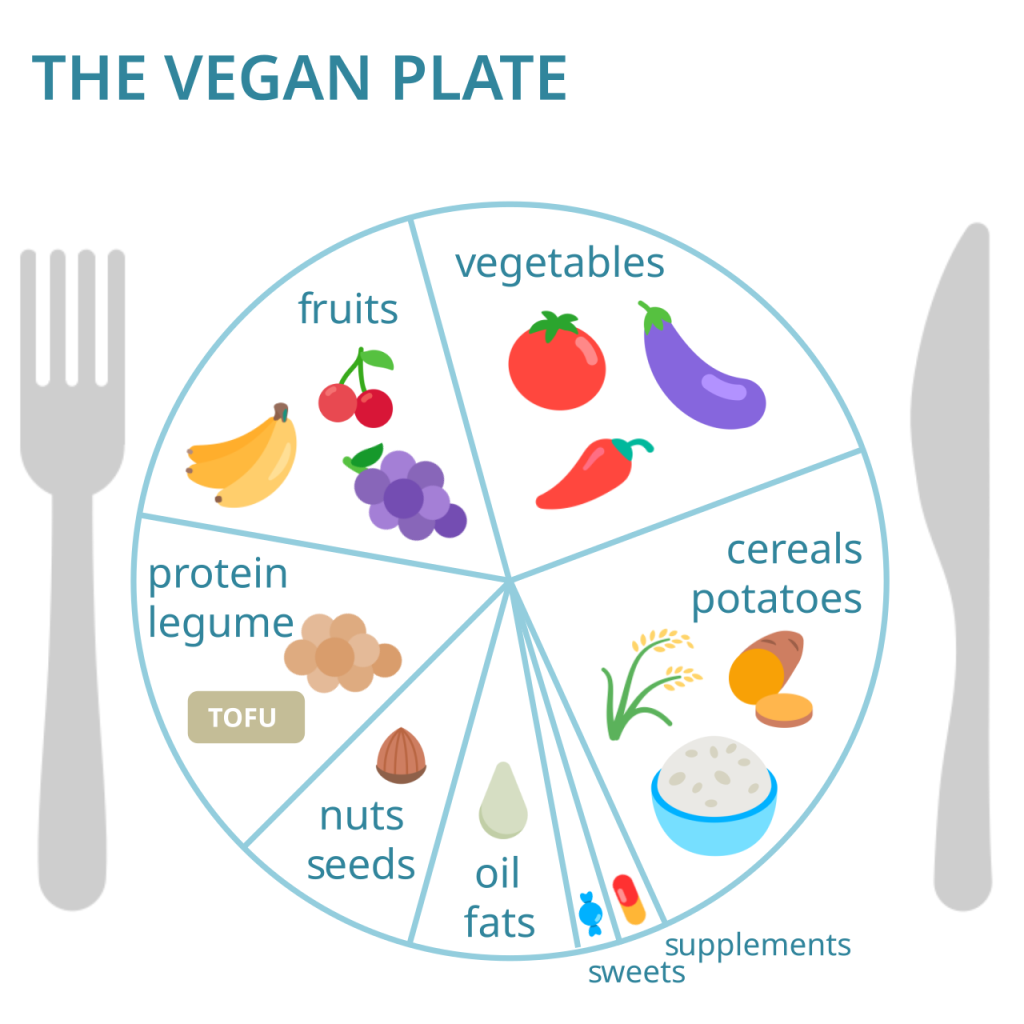
This process teaches an important skill. Building balanced meals. Instead of randomly putting food on your plate, you start thinking in terms of components. A grain for energy. A legume or tofu for protein.
Then vegetables for nutrients.
Over time, this approach becomes automatic. And that awareness often continues even after the 30 days end.
9. Eating Out Becomes a Different Experience
Restaurants suddenly feel a little different when you are trying a vegan diet. You begin scanning menus more carefully.
Sometimes you discover that restaurants already have plant-based options. Other times you learn how to modify dishes. A pasta without cheese. A veggie bowl instead of a meat dish.
This experience often makes you more flexible with food choices. You become better at finding plant-based meals almost anywhere.
After a while, what seemed challenging at first becomes surprisingly easy.
10. You Realize Vegan Eating Is Simpler Than Expected
Before starting a vegan challenge, many people imagine the diet will be complicated. They assume every meal will require special ingredients or difficult recipes.
But after a few weeks, the opposite often becomes clear.
Many meals are extremely simple.
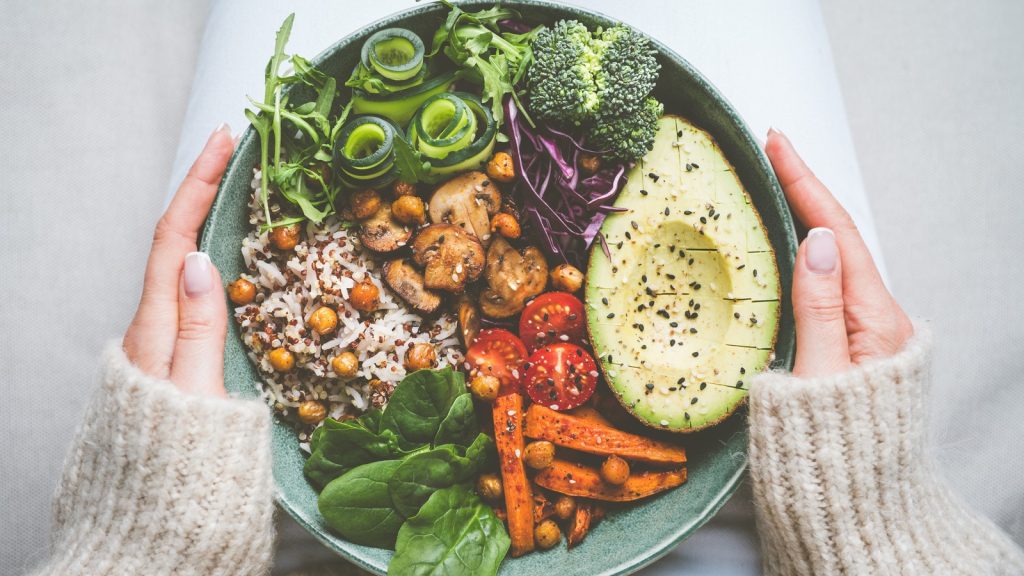
A bowl of rice with vegetables and beans. Oatmeal with fruit and nuts. A smoothie made from bananas and plant milk.
The biggest realization for many people is that plant-based eating doesn’t need to be fancy. Often the simplest meals are the most satisfying.
The Real Takeaway After 30 Days
Going vegan for 30 days isn’t just about removing certain foods.
It’s about exploring a different way of eating.
Along the way, many people discover new ingredients, learn more about nutrition, and develop a deeper awareness of their daily food choices.
Some changes are immediate, while others appear gradually.
But for most people, one thing becomes clear by the end of the month:
Trying a plant-based diet—even for a short time—can reveal possibilities that they hadn’t considered before.