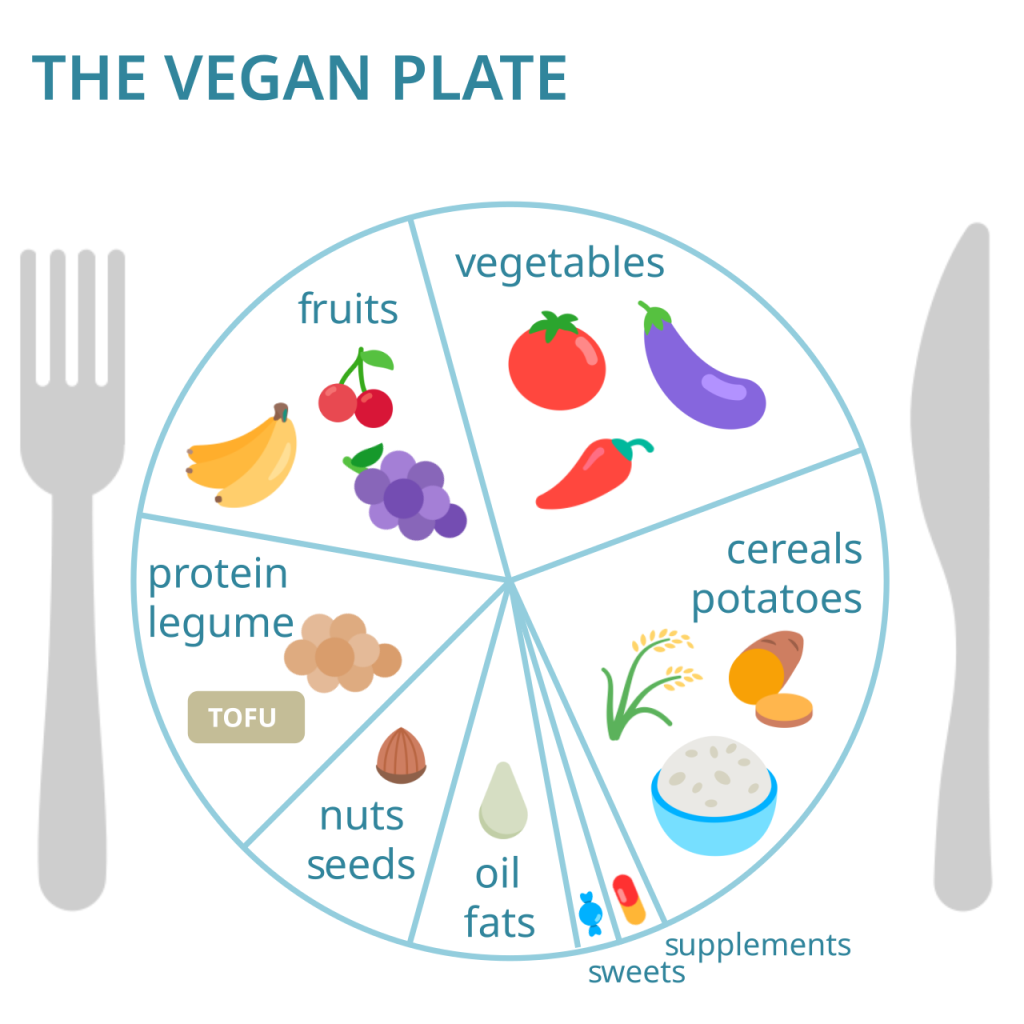
Many people think energy comes from caffeine, energy drinks, or quick sugar fixes. But those bursts rarely last. The real secret to consistent energy especially on a vegan lifestyle often comes from small daily rituals that quietly support your body throughout the day.
These rituals are simple. They aren’t flashy or complicated. But over time, they can completely change how you feel from morning to night.
Here are 11 quiet vegan rituals that help sustain energy all day long.
1. Starting the Day With Hydration Before Food
One of the most overlooked habits for energy has nothing to do with food at all.
Hydration.
After 7–8 hours of sleep, your body naturally wakes up slightly dehydrated. Jumping straight to coffee or breakfast without drinking water first can leave you feeling sluggish.
Many experienced plant-based eaters begin the day with a simple hydration ritual: a large glass of water, sometimes with lemon or a pinch of sea salt.
This does a few powerful things. It wakes up your digestive system, helps your body absorb nutrients better during breakfast, and gently boosts circulation.
Because plant-based diets tend to be higher in fiber, proper hydration becomes even more important. Fiber works best when the body has enough water to process it smoothly.
Instead of relying on caffeine to wake up your system, hydration allows your body to wake up naturally.
It’s a small habit, but it sets the tone for the entire day.
2. Eating a Balanced Plant-Based Breakfast
Breakfast on a vegan diet can easily turn into a carbohydrate overload—toast, fruit, cereal, smoothies. While those foods can be healthy, they may not sustain energy if they lack balance.
The quiet ritual many long-term vegans adopt is building breakfasts around three elements: complex carbs, plant protein, and healthy fats.
For example, oatmeal becomes more powerful when topped with chia seeds, almond butter, and berries. A smoothie becomes more sustaining when blended with tofu, hemp seeds, or peanut butter.
This combination slows digestion and keeps blood sugar stable.
Instead of experiencing a mid-morning crash, your energy stays steady for hours.
When your first meal of the day is balanced, your body doesn’t spend the rest of the morning trying to recover from a spike-and-crash cycle.
3. Building Meals Around Whole Foods Instead of Substitutes
One of the easiest traps in vegan eating is relying too heavily on plant-based substitutes—vegan burgers, processed meats, packaged snacks, and imitation cheeses.
These foods can be convenient, but they often don’t provide the long-lasting energy that whole foods deliver.
A quiet ritual many thriving vegans follow is prioritizing whole plant foods as the base of most meals.
Think lentils, chickpeas, quinoa, sweet potatoes, leafy greens, nuts, seeds, and fresh vegetables.
Whole foods digest more slowly and provide a wider range of nutrients that support energy production inside the body.
Magnesium, iron, B vitamins, and antioxidants all play roles in maintaining stable energy levels.
When your meals are built from whole ingredients, your body receives the fuel it actually needs to keep going—without relying on quick fixes.
4. Taking a Midday Movement Break
Energy doesn’t only come from food. Movement plays an important role as well.
Many people experience afternoon fatigue not because they’re tired—but because they’ve been sitting too long.
A quiet but powerful ritual is taking a short movement break in the middle of the day.
This doesn’t have to be a full workout. A 10–15 minute walk, light stretching, or a few minutes outside in fresh air can dramatically shift your energy levels.
Movement increases circulation, delivers oxygen to your muscles and brain, and wakes up your nervous system.
It also improves digestion, which is especially helpful after fiber-rich plant-based meals.
Instead of reaching for another coffee, a short walk often provides a much more natural energy boost.
5. Ending the Day With Light, Nourishing Dinners
Many people unknowingly drain tomorrow’s energy with tonight’s dinner.
Heavy late-night meals can disrupt sleep, slow digestion, and leave the body working overnight instead of recovering.
A quiet ritual practiced by many health-conscious vegans is keeping dinner lighter and easier to digest.
Meals like vegetable soups, grain bowls, roasted vegetables, or simple stir-fries allow the body to process nutrients without becoming overloaded.
When dinner supports digestion instead of overwhelming it, sleep quality improves.
And better sleep leads to better energy the next day.
This simple evening habit quietly influences how you feel every morning.
6. Creating a Mid-Morning Fruit Ritual
One quiet habit many long-term vegans develop is adding a simple fruit ritual between breakfast and lunch.
Instead of waiting until they feel drained or reaching for processed snacks, they intentionally eat fresh fruit during the mid-morning hours. Fruits like bananas, apples, berries, oranges, or mangoes provide natural sugars that the body can quickly convert into energy.
But the real advantage comes from how fruit interacts with a plant-based diet. Fruits are rich in antioxidants, hydration, and natural carbohydrates that support brain function and energy production.
This habit prevents the sudden energy dips that often appear late in the morning. It also helps maintain steady blood sugar levels so that your focus and productivity remain stable.
Rather than experiencing a crash before lunch, your body receives a gentle and natural energy lift.
7. Adding Seeds to Daily Meals
Seeds may be tiny, but they are one of the most powerful energy boosters in a vegan diet.
Many experienced plant-based eaters quietly build the habit of adding seeds to at least one or two meals every day. Chia seeds, flaxseeds, hemp seeds, pumpkin seeds, and sunflower seeds contain healthy fats, minerals, and plant protein.
These nutrients play a key role in sustained energy. Magnesium helps with muscle and nerve function, omega-3 fatty acids support brain health, and plant proteins help stabilize blood sugar.
Adding seeds to oatmeal, smoothies, salads, or grain bowls takes only seconds, but the benefits compound over time.
It’s one of the simplest ways to increase nutrient density without changing your entire diet.
Small additions like this quietly support energy throughout the day.
8. Eating Slowly and Chewing Properly
In busy modern life, meals are often rushed. Many people eat while working, scrolling on their phones, or watching something on a screen.
But one quiet ritual practiced by many people who thrive on a vegan diet is simply slowing down while eating.
Plant foods contain more fiber and complex structures than processed foods, which means proper chewing helps digestion significantly.
When food is chewed thoroughly, the digestive system works more efficiently. Nutrients are absorbed more effectively, and the body spends less energy trying to break down large pieces of food.
Eating slowly also allows your body to recognize fullness signals, preventing overeating and post-meal fatigue.
This ritual turns meals into moments of awareness rather than rushed activities.
And when digestion improves, energy naturally follows.
9. Rotating Plant Foods Instead of Eating the Same Meals
Another quiet vegan habit is variety.
It’s easy to fall into routines where you eat the same meals repeatedly—oatmeal every morning, the same salad for lunch, the same dinner rotation.
While this may be convenient, rotating different plant foods ensures a wider range of nutrients.
Different vegetables, legumes, grains, nuts, and fruits all contain unique vitamins, minerals, and antioxidants. When you diversify your meals, your body receives a broader spectrum of nourishment.
This nutritional diversity supports metabolism, gut health, and energy production.
For example, switching between lentils, chickpeas, black beans, tofu, and tempeh throughout the week provides different nutrients that complement each other.
Over time, this variety keeps your meals interesting and your body better fueled.
10. Getting Natural Sunlight Early in the Day
Energy levels are strongly connected to your circadian rhythm—the internal clock that regulates sleep and wake cycles.
A quiet ritual many people overlook is simply getting natural sunlight in the morning.
Stepping outside for 5–10 minutes after waking helps signal to your brain that the day has begun. This exposure to natural light regulates hormones that influence alertness, mood, and sleep quality.
When your circadian rhythm is aligned, energy levels become more consistent throughout the day.
For those following a vegan lifestyle, this ritual also supports vitamin D production, which plays a role in immune health and overall vitality.
It’s a small daily action that has a surprisingly large impact on energy.
11. Ending the Night With a Gentle Wind-Down Routine
The energy you feel tomorrow is often determined by what you do tonight.
Many successful long-term vegans adopt a simple nighttime ritual that prepares the body for deep rest.
Instead of scrolling endlessly or working late into the night, they wind down with calming activities—reading, stretching, journaling, or preparing meals for the next day.
This routine signals to the nervous system that it’s time to relax.
Quality sleep allows the body to repair cells, balance hormones, and restore energy reserves. Without proper rest, even the healthiest diet cannot sustain high energy levels.
A calm nighttime ritual may seem small, but it creates the foundation for waking up refreshed and energized the next day.
And when your mornings begin with clarity and energy, the rest of the day flows more easily.
The Power of Quiet Rituals
Energy doesn’t usually come from dramatic lifestyle changes. It comes from small habits repeated consistently.
Drinking water before coffee.
Balancing your breakfast.
Choosing whole foods.
Moving during the day.
Eating lighter dinners.
None of these rituals are complicated.
But together, they create a rhythm that supports your body instead of fighting against it.
And when your daily routine supports your energy naturally, you stop chasing quick fixes and start experiencing steady vitality throughout the day.
Sometimes the most powerful changes are also the quietest ones.