One of the most common arguments people make about a vegan diet is that it’s too expensive.
At first glance, this assumption seems reasonable. Grocery stores are full of pricey vegan burgers, dairy-free cheeses, plant-based ice creams, and specialty health foods. If those products become the foundation of your diet, your grocery bill can certainly increase.
But here’s the important detail many people miss: those products are optional.
A truly plant-based diet is built around some of the most affordable foods available. In many cases, eating vegan can actually reduce grocery costs when meals focus on simple, whole ingredients.
Here are 11 reasons why the idea that veganism is expensive is largely a myth.
1. The Core Foods of a Vegan Diet Are Among the Cheapest
The foundation of most plant-based diets includes foods like beans, lentils, rice, oats, potatoes, and seasonal vegetables. These foods are incredibly affordable compared to many animal products.
For example, a bag of dried lentils can provide multiple meals for the cost of a single serving of meat. Similarly, rice and beans together can create several filling and nutritious meals for very little money.
Many traditional cuisines around the world rely heavily on these ingredients because they are both nutritious and economical.
When meals are built around these staples, grocery costs often decrease rather than increase.
2. Expensive Vegan Products Are Usually Convenience Foods
The plant-based food industry has grown rapidly in recent years, and with that growth has come a wide variety of packaged vegan products.
While vegan burgers, plant-based cheeses, and meat substitutes can be convenient, they are not necessary for a healthy vegan diet. These items are similar to any other processed convenience foods—they tend to cost more because they involve additional manufacturing and branding.
When people rely heavily on these products, the cost of eating vegan can appear high.
But when meals focus on whole foods instead of packaged substitutes, the overall cost often becomes much lower.
3. Plant Proteins Are Usually Cheaper Than Animal Proteins
Protein is often the most expensive part of a typical diet.
Animal-based protein sources like meat, poultry, and seafood tend to cost significantly more than plant-based protein sources.
Beans, lentils, chickpeas, tofu, and other legumes provide substantial amounts of protein at a fraction of the price. For example, a single pound of dried beans can produce multiple servings of protein-rich meals.
This makes plant proteins one of the most cost-effective ways to meet daily nutritional needs.
When plant proteins replace expensive animal proteins, grocery budgets often improve.
4. Plant-Based Meals Often Stretch Further
Many plant-based meals naturally produce multiple servings.
Large batches of soups, stews, curries, and grain bowls can feed several people or provide leftovers for multiple days.
For example, a pot of vegetable lentil soup may provide four to six servings from inexpensive ingredients.
In contrast, meals centered around meat often require separate portions for each person, which can increase costs. Because plant-based dishes frequently rely on ingredients that expand when cooked—such as rice, lentils, and beans—they tend to stretch further.
This makes it easier to cook larger meals with minimal spending.
5. A Vegan Diet Reduces Spending on Several Costly Foods
Another reason the “vegan is expensive” myth persists is that people often compare vegan convenience foods with basic animal products.
But when someone adopts a vegan diet, they also remove several foods that are typically expensive.
Meat, seafood, cheese, and specialty dairy products can be some of the most costly items in a grocery cart. Replacing these foods with grains, legumes, vegetables, and plant-based proteins often reduces overall spending.
In many cases, the biggest savings appear when someone cooks more meals at home using simple ingredients.
6. Seasonal Fruits and Vegetables Are Often Very Affordable
One reason people assume vegan diets are expensive is because they imagine buying exotic fruits or out-of-season produce.
But when you shop seasonally, fruits and vegetables are often some of the cheapest foods in the store. Seasonal produce is usually abundant, which lowers the price. Farmers harvest large quantities, and grocery stores offer better deals to move inventory quickly.
For example, when tomatoes, mangoes, or berries are in season, their prices drop significantly compared to when they are imported during off-season months.
Building meals around seasonal produce keeps costs low while also providing fresher and more flavorful food.
This simple shopping habit makes a vegan diet far more affordable than many people expect.
7. Bulk Buying Makes Plant-Based Staples Even Cheaper
Many vegan staples are perfect for bulk buying.
Items like rice, oats, dried beans, lentils, quinoa, nuts, and seeds can be purchased in larger quantities and stored for months.
Buying these foods in bulk usually reduces the cost per serving significantly. For example, a large bag of rice or dried beans may cost only slightly more than a small package but provide several times the amount of food.
Because these ingredients have long shelf lives, there is little risk of them spoiling quickly. When people regularly buy plant-based staples in bulk, their grocery costs often drop dramatically.
8. Vegan Cooking Encourages Simple Meals
A major reason vegan eating can be affordable is that it often encourages simple cooking.
Many plant-based meals rely on a few basic ingredients combined in creative ways—such as stir-fries, soups, curries, and grain bowls.
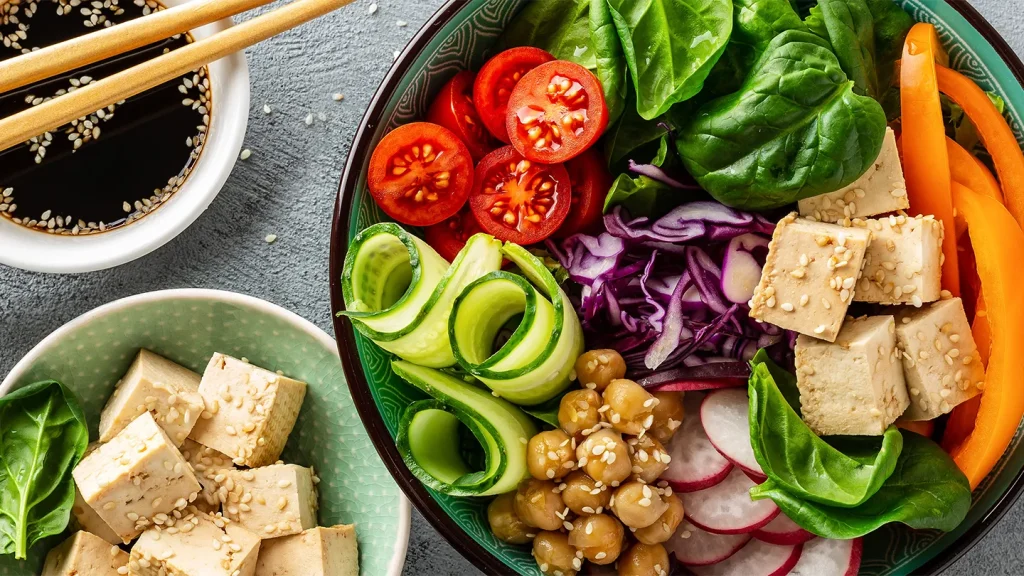
These meals don’t require expensive ingredients or complicated preparation. For example, a simple bowl of rice, roasted vegetables, and chickpeas can be both nutritious and inexpensive.
Because plant-based cooking often emphasizes whole ingredients instead of specialty products, it naturally supports lower grocery costs.
The simpler the meal, the more affordable it tends to be.
9. Plant-Based Meals Reduce Food Waste
Food waste quietly increases grocery bills in many households.Perishable animal products like meat, seafood, and dairy can spoil quickly if they are not used in time.
Many plant-based foods, however, have longer shelf lives. Dried beans, lentils, grains, nuts, and seeds can last for months when stored properly. Even many vegetables and fruits can be frozen for later use.
Because plant-based diets rely heavily on these longer-lasting foods, they can reduce the amount of food that gets thrown away.
Less waste means better value from every grocery trip.
10. Home Cooking Becomes Easier and Cheaper
A vegan diet often encourages people to cook more meals at home.
Cooking at home is almost always cheaper than relying on restaurant meals or packaged convenience foods.
When you prepare dishes like bean chili, vegetable curry, lentil soup, or pasta with homemade sauces, the cost per serving becomes very low.
These meals can also be made in large batches and stored for future meals. Over time, developing simple cooking habits makes eating plant-based both affordable and convenient.
Instead of spending money on expensive prepared foods, you create satisfying meals using inexpensive ingredients.
11. Many Traditional Diets Around the World Are Naturally Plant-Based
Another reason the “vegan is expensive” idea doesn’t hold up is that many traditional diets around the world are largely plant-based and have always been affordable.
In many cultures, meals center around rice, beans, lentils, vegetables, grains, and spices.Dishes like lentil dal, vegetable stir-fries, bean stews, and grain bowls have nourished communities for generations without requiring expensive ingredients.
These traditional meals show that plant-based eating has long been both accessible and economical.
When people look beyond modern packaged foods and return to these simple culinary traditions, they often discover that vegan eating can fit easily into almost any budget.
The Truth Behind the “Expensive Vegan” Myth
The idea that vegan diets are expensive usually comes from focusing on specialty products rather than everyday foods.
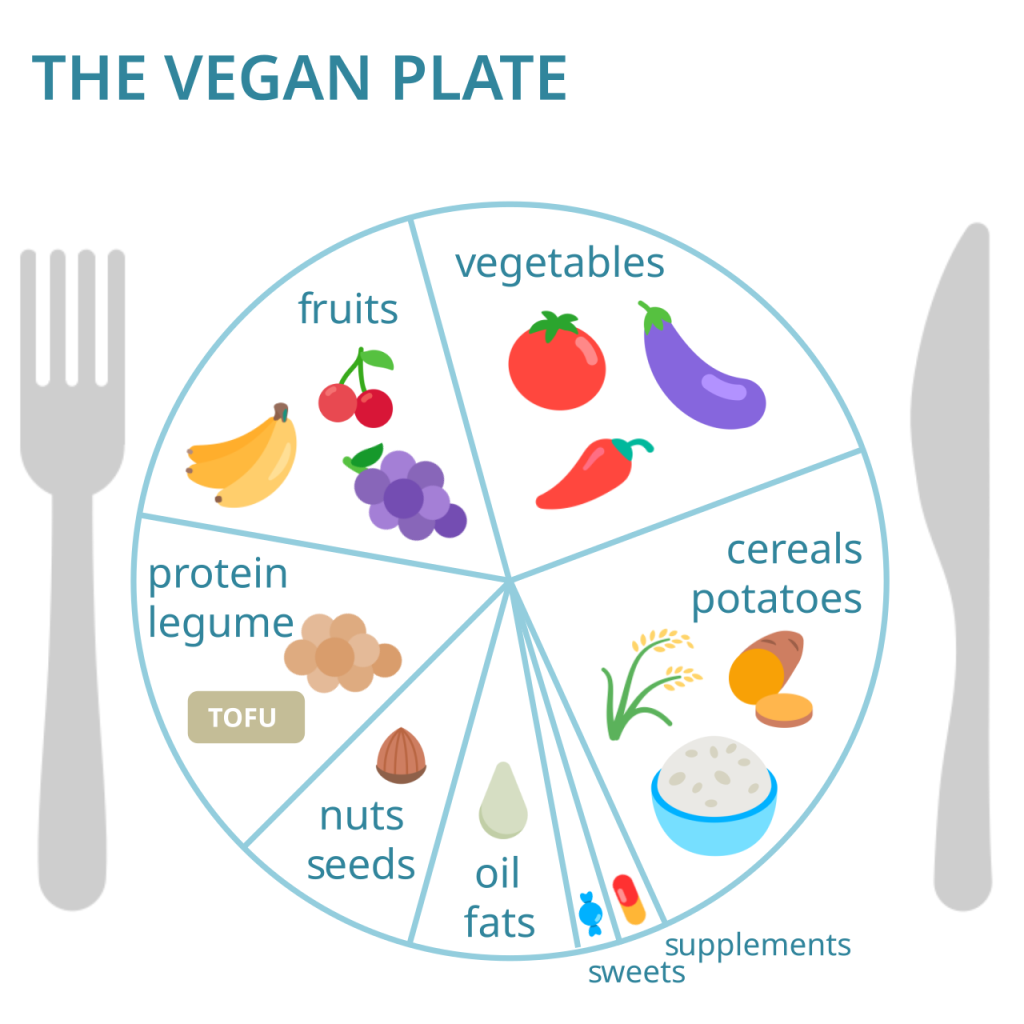
When meals revolve around simple staples like beans, grains, vegetables, fruits, nuts, and seeds, the cost of eating plant-based can be surprisingly low.
Shopping seasonally, buying in bulk, cooking at home, and reducing food waste all make the lifestyle even more affordable.
In reality, vegan eating isn’t expensive—it’s often one of the most practical and budget-friendly ways to build healthy meals.
The Real Reason the Myth Exists
The belief that veganism is expensive often comes from misunderstanding what a vegan diet actually looks like.
If someone fills their cart with trendy plant-based products and specialty health foods, costs can certainly rise.
But the traditional foundation of vegan eating—beans, grains, vegetables, fruits, nuts, and seeds—is both nutritious and affordable.
In fact, some of the healthiest plant-based meals are also the least expensive.
When people focus on simple ingredients and home-cooked meals, they often discover something surprising.
Eating vegan isn’t expensive at all—it can actually be one of the most budget-friendly ways to eat. 🌱