Living a sustainable lifestyle does not require dramatic changes or giving up modern comforts. In fact, sustainability is often built on small daily habits that gradually reduce waste, conserve resources, and encourage more mindful living. Many people assume that sustainable living is complicated or expensive, but the truth is that simple adjustments in everyday routines can have a meaningful impact over time.
When individuals adopt eco-friendly habits, they not only help protect the environment but also create healthier homes, reduce expenses, and build a deeper connection with the world around them. Sustainability is less about perfection and more about consistency—small actions repeated daily can lead to significant long-term change.
Below are 14 simple habits that can help create a more sustainable lifestyle.
1. Carry Reusable Items Everywhere

One of the easiest habits to adopt is carrying reusable items when leaving the house. Many everyday purchases involve single-use plastics such as shopping bags, water bottles, and coffee cups that quickly end up as waste.
Keeping a reusable water bottle, shopping bag, and coffee cup in your bag or car makes it easy to avoid disposable alternatives. Over time, this habit can prevent hundreds of plastic items from being thrown away.
Reusable products are often stronger and designed to last for years. By choosing durable alternatives instead of single-use items, you reduce waste while also saving money in the long run.
2. Be Mindful About Food Waste

Food waste is one of the most common forms of household waste, yet much of it can be avoided with better planning and storage habits. Many people buy more food than they can consume, which eventually leads to spoiled leftovers and discarded ingredients.
Planning meals ahead of time helps ensure that groceries are used efficiently. Proper food storage using airtight containers also helps extend the freshness of fruits, vegetables, and prepared meals.
Another helpful habit is using leftovers creatively instead of throwing them away. If food scraps are unavoidable, composting them can turn waste into nutrient-rich soil for plants and gardens.
3. Use Less Energy at Home

Reducing energy consumption at home is one of the most effective ways to live more sustainably. Simple habits such as turning off lights when leaving a room and unplugging unused electronics can make a noticeable difference.
Using natural light during the day helps reduce the need for artificial lighting. Opening curtains and positioning workspaces near windows can help maximize daylight inside the home.
Energy-efficient appliances and LED lighting can further reduce electricity usage. Over time, these small adjustments lower energy bills while also reducing your environmental impact.
4. Choose Sustainable Transportation When Possible

Transportation is another area where small changes can contribute to a more sustainable lifestyle. Many short trips that are typically done by car can often be replaced with walking, cycling, or public transportation.
Walking or biking not only reduces carbon emissions but also improves physical health. For longer distances, carpooling or using public transit can reduce the number of vehicles on the road.
For those planning to upgrade their vehicles in the future, electric or hybrid cars can provide a more environmentally friendly alternative to traditional gasoline vehicles.
5. Support Eco-Friendly Products and Brands
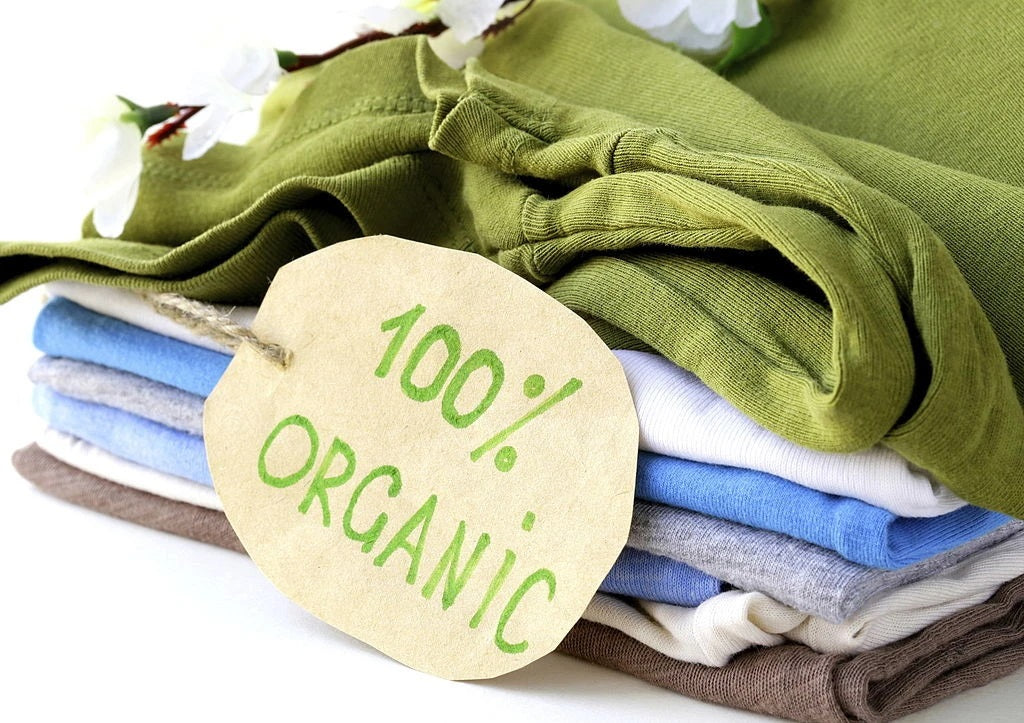
Every purchase we make has an environmental footprint. Supporting brands that prioritize sustainable materials, ethical production, and eco-friendly packaging helps encourage responsible business practices.
Many companies are now producing products made from recycled materials, organic fabrics, or biodegradable packaging. Choosing these options helps reduce waste and pollution.
Another sustainable habit is buying fewer but higher-quality items that last longer. Durable products reduce the need for constant replacements and ultimately generate less waste.
6. Conserve Water in Daily Activities

Water conservation is an important part of sustainable living, especially in areas where water resources are limited. Many daily habits unknowingly waste large amounts of water.
Turning off the faucet while brushing your teeth, fixing leaking taps, and taking shorter showers are simple ways to reduce water usage. Installing water-efficient fixtures such as low-flow showerheads and faucet aerators can also make a significant difference.
Collecting rainwater for watering plants or gardens is another practical method of conserving water while supporting plant growth naturally.
7. Repair, Reuse, and Repurpose Items

Modern consumer culture often encourages replacing items instead of repairing them. However, repairing and reusing products can significantly reduce waste and extend the life of household items.
Simple repairs such as sewing torn clothing, fixing furniture, or replacing small parts in appliances can prevent perfectly usable items from being discarded.
Repurposing items creatively is another sustainable habit. Glass jars can become storage containers, old furniture can be refurbished, and unused materials can be transformed into decorative pieces.
By embracing the mindset of repair and reuse, sustainability becomes a practical and rewarding part of everyday life.
8. Buy Local and Seasonal Foods

Buying local and seasonal foods is a simple habit that supports both sustainability and local communities. Many supermarket foods travel long distances before reaching store shelves, which requires transportation, packaging, and refrigeration that increase environmental impact.
When you buy produce grown locally, the food usually travels a much shorter distance. This reduces carbon emissions from transportation and often results in fresher, more nutritious ingredients.
Seasonal foods also tend to require fewer resources to grow. By choosing fruits and vegetables that are naturally in season in your region, you support farming practices that are more aligned with natural growing cycles.
Over time, making local food choices can help create a more sustainable and resilient food system.
9. Switch to Digital When Possible

Paper waste is still common in many households through bills, receipts, notebooks, and printed documents. While paper is recyclable, reducing unnecessary printing can help conserve trees and energy used in paper production.
Switching to digital alternatives is an easy solution. Electronic bills, digital receipts, and online documents help reduce paper consumption while keeping information organized.
Using digital planners, note-taking apps, or e-books can further reduce reliance on paper products. Many people find that digital tools make it easier to store, search, and manage information.
A more paperless lifestyle not only supports sustainability but also creates a cleaner and more organized living and working environment.
10. Eat More Plant Based Meals

One of the most impactful lifestyle changes for sustainability is incorporating more plant-based meals into your diet. Producing plant-based foods generally requires fewer natural resources compared to many animal-based products.
You do not need to become fully vegetarian or vegan to make a difference. Simply adding a few plant-based meals each week can significantly reduce your environmental footprint.
Meals built around vegetables, beans, grains, nuts, and legumes are not only sustainable but also nutritious and flavorful. Many people discover new recipes and cooking styles when exploring plant-based options.
This gradual shift toward plant-focused eating supports both personal health and environmental sustainability.
11. Use Eco-Friendly Personal Care Products

Personal care routines often involve products packaged in plastic containers that eventually become waste. Items such as shampoo bottles, disposable razors, and plastic toothbrushes can accumulate quickly.
Switching to eco-friendly alternatives can help reduce this waste. Bamboo toothbrushes, refillable containers, shampoo bars, and natural soaps are popular sustainable options.
Many eco-friendly personal care products also use natural ingredients that are gentler on the skin and better for the environment.
By making small swaps in your daily routine, you can significantly reduce plastic waste while supporting more sustainable product choices.
12. Borrow or Share Instead of Buying

Many items we own are used only occasionally, yet they require resources to produce and store. Borrowing or sharing items with friends, neighbors, or community groups can help reduce unnecessary purchases.
Tools, books, kitchen appliances, and event decorations are examples of items that can often be shared instead of bought individually.
Sharing resources not only reduces waste but also strengthens community connections. Many neighborhoods now have tool libraries or sharing groups that allow people to borrow items when needed.
Adopting a sharing mindset helps reduce consumption while making better use of existing resources.
13. Support Second Hand and Thrift Shopping

Buying second-hand items is one of the most sustainable shopping habits. Many products such as clothing, furniture, and home décor still have plenty of life left but are discarded simply because people want something new.
Thrift stores, vintage shops, and online resale platforms provide opportunities to give these items a second life. Purchasing used goods reduces the demand for new manufacturing, which saves energy and raw materials.
Second-hand shopping can also be an enjoyable way to discover unique pieces that are not available in typical retail stores.
Choosing pre-owned items whenever possible helps reduce waste while promoting a circular economy.
14. Spend More Time in Nature

Spending time in nature may seem like a simple habit, but it plays an important role in encouraging sustainable living. When people connect with natural environments, they often develop a deeper appreciation for protecting them.
Activities such as walking in parks, hiking, gardening, or spending time near lakes and forests help build awareness about environmental conservation.
These experiences can inspire individuals to make more environmentally conscious choices in their daily lives.
In addition to supporting sustainability, time spent in nature also improves mental well-being, reduces stress, and encourages a more balanced lifestyle.
A sustainable lifestyle does not require drastic changes or expensive upgrades. Instead, it is built on simple habits practiced consistently over time. Carrying reusable items, reducing food waste, conserving energy and water, supporting eco-friendly products, and repairing items instead of replacing them are all small steps that create meaningful change.
As these habits become part of daily routines, living sustainably begins to feel natural and rewarding. Each small action contributes to a healthier planet, a more mindful lifestyle, and a future where resources are used more responsibly.