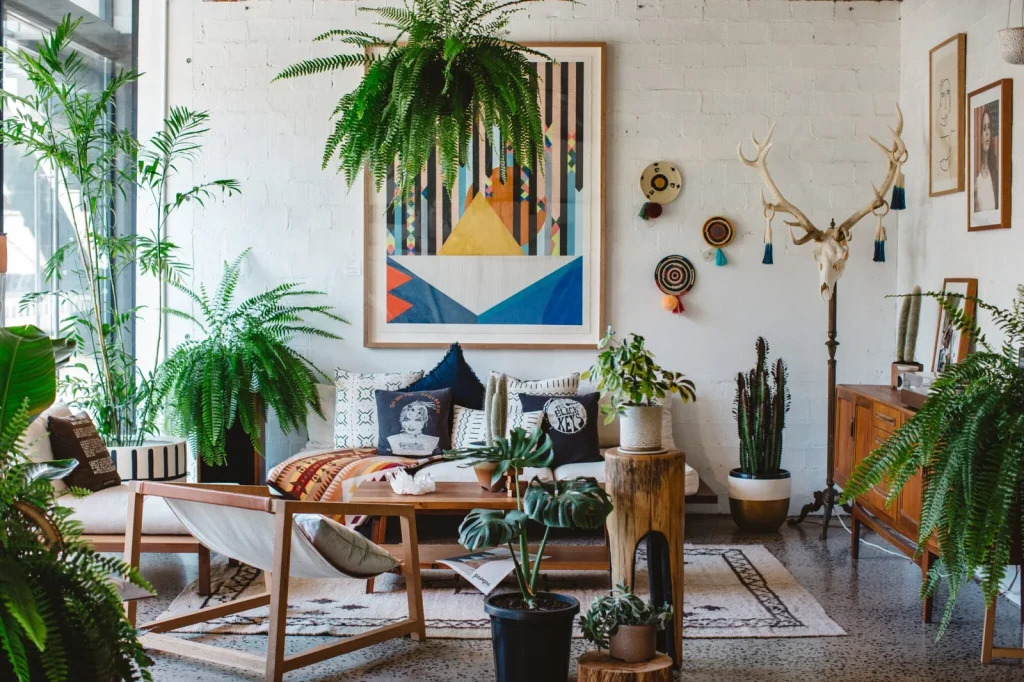
Sustainable living is no longer just a trend—it has become a practical way to protect the environment, reduce waste, and even save money over time. Many people believe making their homes sustainable requires expensive renovations or drastic lifestyle changes.
In reality, small and consistent adjustments can make a meaningful difference. By choosing smarter habits, eco-friendly materials, and energy-efficient practices, any home can become more sustainable without feeling overwhelming.
Here are 14 simple ways you can make your home more sustainable while creating a healthier and more mindful living space.
1. Reduce Energy Consumption with Smart Lighting
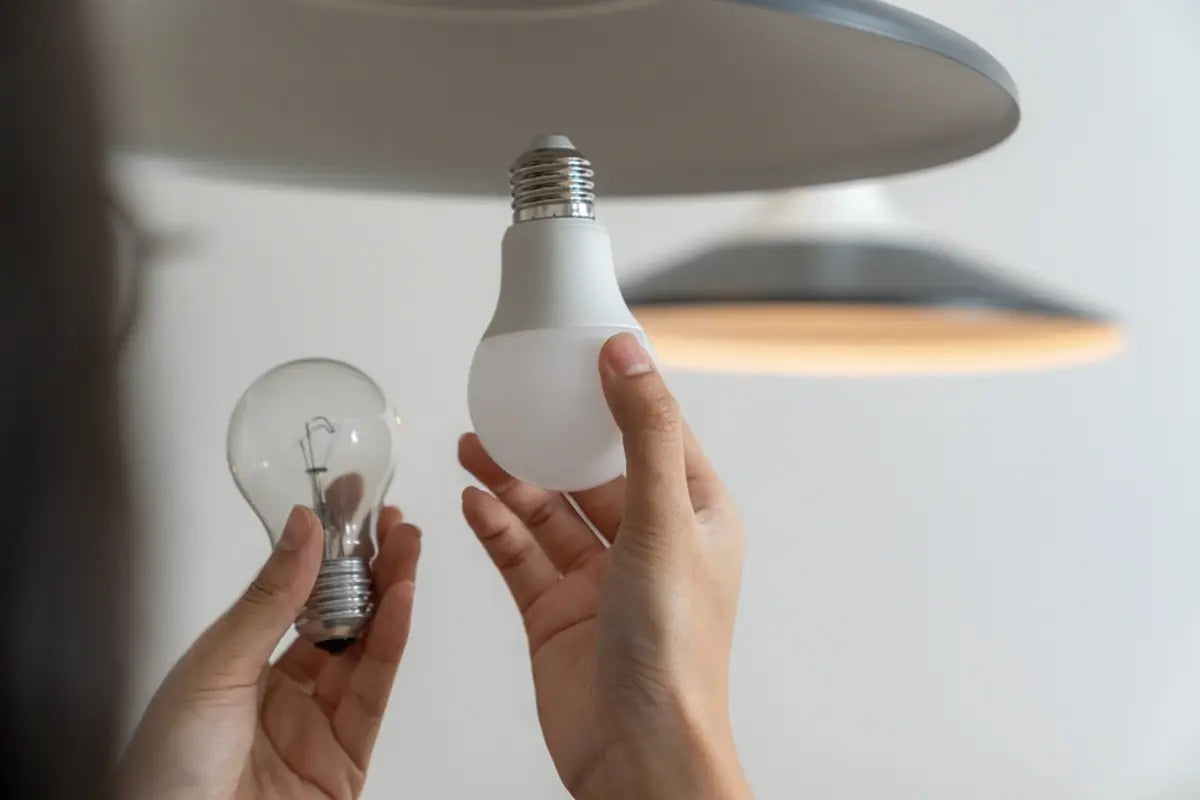
Lighting is one of the easiest areas to improve when trying to create a more sustainable home. Traditional incandescent bulbs consume significantly more electricity and burn out quickly, which leads to higher energy use and more waste.
Switching to LED bulbs is a simple step that can dramatically reduce energy consumption. LED lights use far less electricity and last much longer than traditional bulbs. This means you will replace them less often and save money on energy bills.
Another helpful habit is making the most of natural light during the day. Opening curtains and arranging furniture to allow sunlight into your home reduces the need for artificial lighting. Installing motion sensors or smart lighting systems can also help ensure lights are only used when necessary.
Small lighting changes might seem minor, but over time they can significantly lower your household’s overall energy footprint.
2. Choose Reusable Products Instead of Disposable Ones

Many everyday household items are designed for single use, which creates a large amount of waste. Paper towels, plastic bags, disposable cleaning wipes, and plastic water bottles often end up in landfills after just one use.
Replacing disposable items with reusable alternatives is one of the simplest ways to reduce waste at home. For example, cloth kitchen towels can replace paper towels, reusable shopping bags can replace plastic bags, and glass containers can replace disposable food packaging.
Reusable water bottles, coffee cups, and food storage containers are also great investments. Not only do they reduce waste, but they are usually more durable and cost-effective over time.
Gradually replacing disposable items with reusable ones can significantly decrease the amount of trash your household produces every week.
3. Start Composting Food Waste

A surprising amount of household waste comes from food scraps. Fruit peels, vegetable leftovers, eggshells, and coffee grounds often get thrown away even though they can be repurposed.
Composting is a natural process that turns organic waste into nutrient-rich soil. Instead of sending food waste to landfills where it produces harmful methane gas, composting allows those materials to break down in a beneficial way.
You can start composting with a simple compost bin in your backyard or even use compact indoor compost containers if you live in an apartment. The finished compost can be used to nourish plants, gardens, or indoor greenery.
By composting food scraps, you reduce waste while creating a valuable resource for your plants.
4. Use Energy-Efficient Appliances
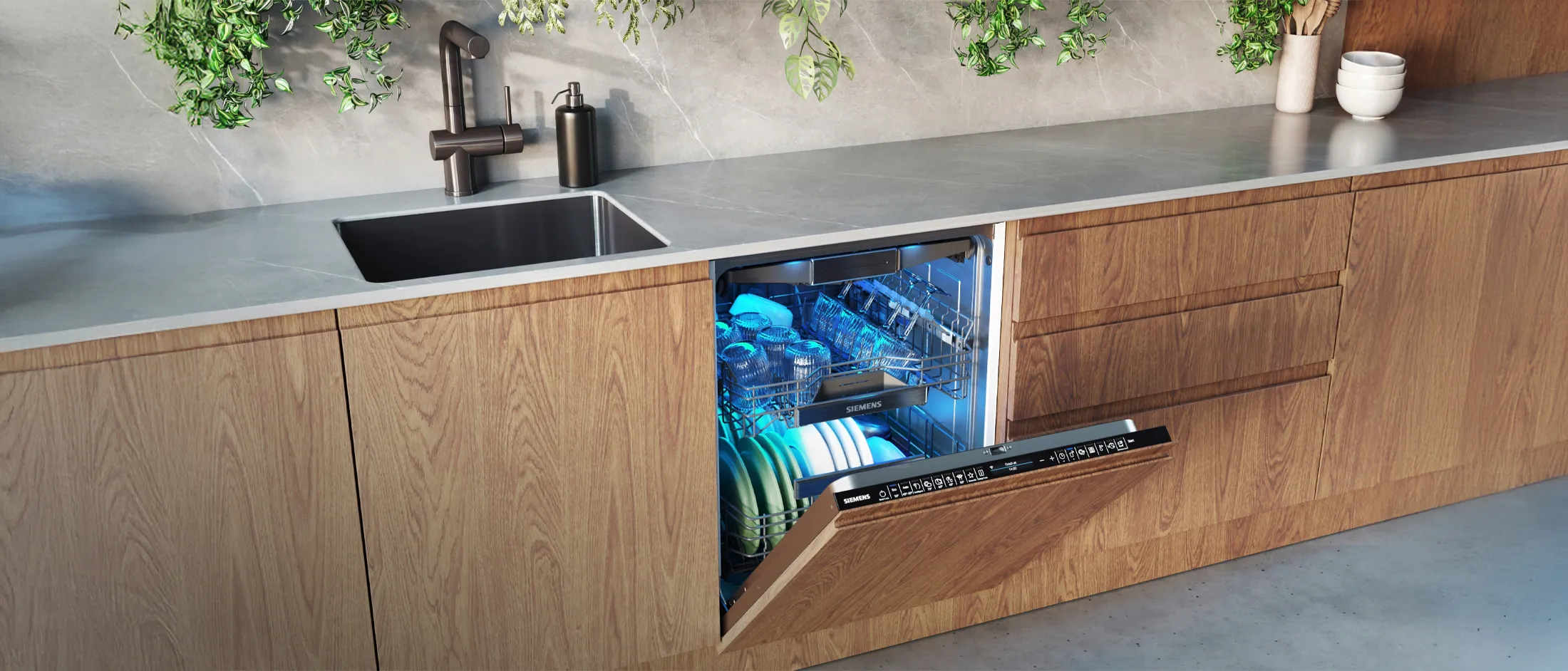
Household appliances such as refrigerators, washing machines, and dishwashers consume a large amount of electricity and water. Older appliances tend to be far less efficient than modern energy-saving models.
When it is time to replace an appliance, choosing energy-efficient options can significantly lower your home’s environmental impact. Energy-efficient appliances are designed to use less electricity and water while delivering the same performance.
In addition to choosing better appliances, small habits can also improve efficiency. Washing clothes with cold water, running full loads in dishwashers and washing machines, and unplugging electronics when not in use all help reduce energy waste.
These simple adjustments make everyday household routines more sustainable without sacrificing convenience.
5. Bring More Plants into Your Home

Indoor plants do more than just enhance the appearance of your home. They can also improve air quality, regulate humidity, and create a healthier living environment.
Plants naturally absorb carbon dioxide and release oxygen, helping freshen indoor air. Some plants can also filter common pollutants found in homes, such as chemicals from cleaning products or furniture.
Incorporating plants into your home also encourages a deeper connection with nature. Caring for plants often leads people to become more mindful about water usage, sunlight, and environmental health.
You do not need a large garden to benefit from plants. Even a few small indoor plants placed near windows or shelves can make your home feel more vibrant and sustainable.
6. Reduce Water Waste

Water conservation is an important part of building a sustainable home. Many households use more water than necessary through small everyday habits.
Simple actions like fixing leaking taps, turning off the faucet while brushing your teeth, and taking shorter showers can significantly reduce water consumption.
Installing water-saving fixtures such as low-flow showerheads or faucet aerators can also make a big difference. These devices maintain strong water pressure while using less water overall.
Some homeowners also collect rainwater for watering plants or gardens. Even small steps toward water conservation help protect this valuable resource.
7. Switch to Eco-Friendly Cleaning Products

Many conventional cleaning products contain harsh chemicals that can harm the environment and indoor air quality. These chemicals eventually wash into water systems and may affect wildlife and ecosystems.
Switching to eco-friendly cleaning products is a healthier alternative for both your home and the planet. Many natural cleaners use plant-based ingredients that are biodegradable and safer to use.
Some people even make their own cleaning solutions using simple ingredients such as vinegar, baking soda, and lemon. These natural cleaners are effective for many everyday household tasks.
Using environmentally friendly cleaning products helps reduce chemical pollution while keeping your home fresh and clean.
8. Buy Less and Choose Sustainable Materials
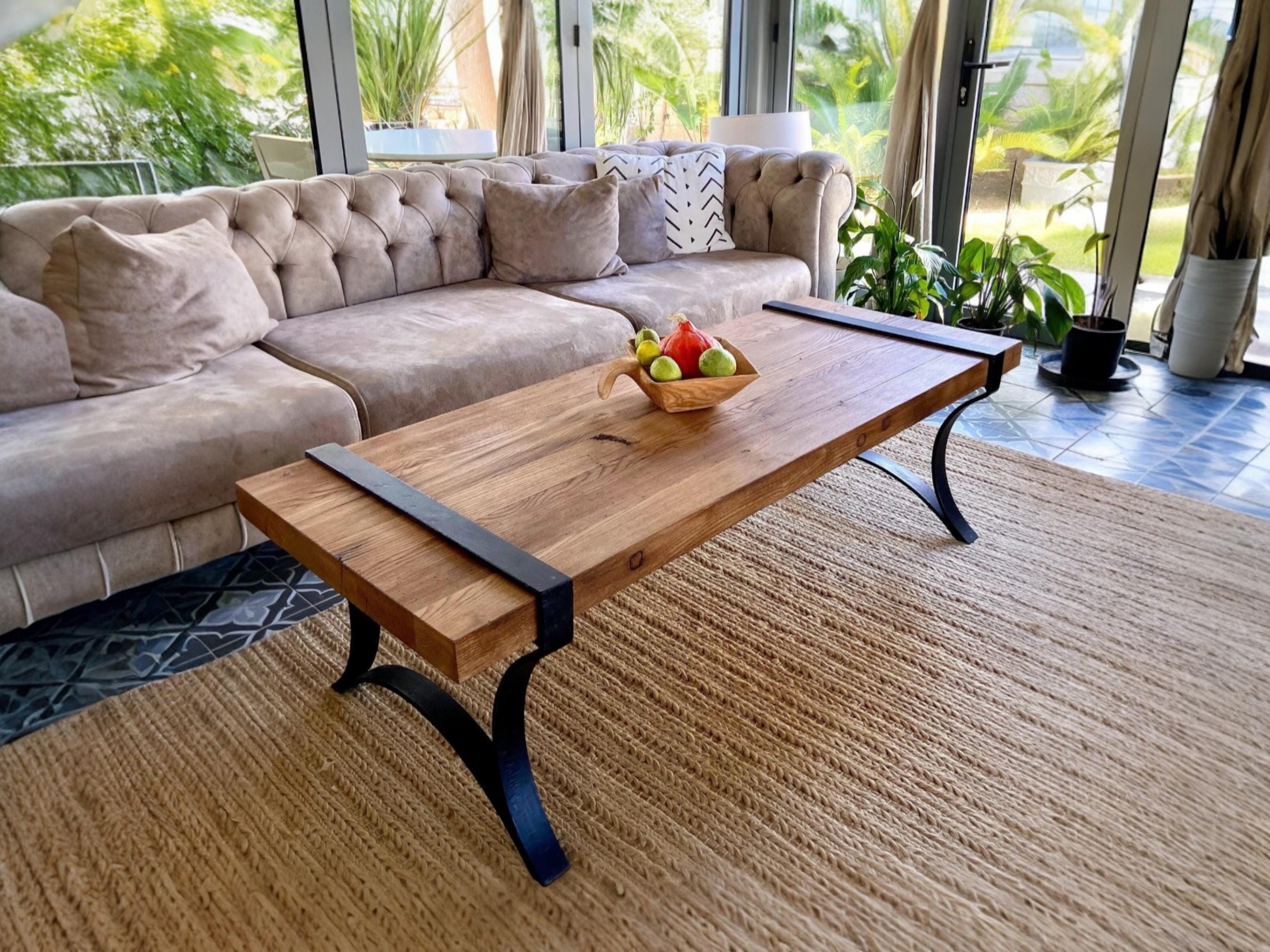
One of the most powerful ways to create a sustainable home is simply buying less and choosing better-quality items. Fast furniture, cheap décor, and disposable household goods often wear out quickly and end up in landfills.
Instead, consider investing in durable items made from sustainable materials such as bamboo, recycled wood, organic cotton, or natural fibers. These materials tend to have a smaller environmental impact compared to plastic-based products.
Choosing quality over quantity also helps reduce clutter in your home. Thoughtful purchases often last longer and provide greater value over time.
A mindful approach to buying and decorating your home supports sustainability while creating a space that feels intentional and comfortable.
9. Improve Home Insulation to Save Energy

A well-insulated home helps maintain a comfortable indoor temperature while reducing the amount of energy needed for heating and cooling. Poor insulation allows heat to escape during winter and lets excess heat enter during summer, forcing air conditioners and heaters to work harder.
Improving insulation can significantly reduce energy consumption. Sealing gaps around windows and doors, adding weather stripping, and installing thermal curtains are simple steps that help prevent energy loss.
If possible, upgrading attic or wall insulation can further improve efficiency. Even small insulation improvements make a noticeable difference in reducing energy bills while making your home more environmentally friendly.
10. Use Natural and Sustainable Materials

The materials used in furniture, décor, and everyday household items can have a significant environmental impact. Many mass-produced products rely on plastics, synthetic materials, and chemical treatments that are harmful to both the environment and indoor air quality.
Choosing natural and sustainable materials is a better alternative. Materials such as bamboo, reclaimed wood, cork, organic cotton, and jute are renewable and often require fewer resources to produce.
These materials are not only eco-friendly but also durable and timeless in design. Incorporating sustainable materials into your home helps create a healthier living environment while reducing environmental harm.
11. Grow Some of Your Own Food

Growing your own food is a rewarding way to make your home more sustainable. Even a small garden can reduce the need for store-bought produce that often travels long distances before reaching your plate.
You do not need a large backyard to start growing food. Many herbs, leafy greens, and vegetables can grow successfully in containers on balconies, patios, or windowsills.
Home gardening also reduces packaging waste and allows you to enjoy fresher ingredients. Over time, growing your own food can help build a stronger connection to nature and promote more sustainable eating habits.
12. Reduce Plastic Use in the Kitchen

The kitchen is often one of the biggest sources of plastic waste in a home. Plastic wrap, food packaging, disposable bags, and plastic containers can quickly accumulate.
Reducing plastic use starts with simple swaps. Glass jars, stainless steel containers, and silicone food bags are excellent alternatives that last much longer than disposable plastics.
Beeswax wraps can also replace plastic wrap when covering food or storing leftovers. These reusable wraps are washable and biodegradable, making them a great eco-friendly option.
By gradually replacing plastic products in your kitchen, you can significantly reduce household waste.
13. Wash Clothes in a More Sustainable Way

Laundry is another household routine that can use a large amount of water and electricity. Making small adjustments to your laundry habits can help reduce this impact.
Washing clothes in cold water saves energy because heating water requires a significant amount of electricity. Using eco-friendly laundry detergents also helps reduce chemical pollution.
Whenever possible, air-drying clothes instead of using a dryer can further reduce energy consumption. Drying racks or outdoor clotheslines are simple and effective alternatives.
These small changes make your laundry routine more sustainable while helping clothes last longer.
14. Adopt a Minimalist Mindset at Home

Sustainability is closely connected to the idea of mindful consumption. Many homes accumulate items that are rarely used but still require resources to produce and eventually dispose of.
Adopting a minimalist mindset encourages people to focus on owning fewer, more meaningful items. Instead of constantly buying new products, it becomes easier to repair, reuse, or repurpose what you already have.
Decluttering your home can also help you better understand what you truly need. A simpler home often leads to less waste, fewer unnecessary purchases, and a more peaceful living environment.
By embracing a minimalist approach, sustainability becomes a natural part of everyday life rather than a complicated effort.
Creating a more sustainable home does not require dramatic lifestyle changes. Small choices—like switching to LED lighting, reducing water waste, using reusable products, and bringing plants into your living space—can collectively make a big impact.
As these habits become part of your routine, sustainability starts to feel natural rather than complicated. Over time, these small steps help reduce your environmental footprint while also creating a healthier and more comfortable home.
A sustainable home is ultimately about balance: caring for the environment while building a living space that supports your well-being and everyday life.