Chia seeds have become one of the most popular “healthy additions” to modern diets. You see them sprinkled on smoothie bowls, mixed into drinks, or tossed over salads almost everywhere. On the surface, it feels like simply adding chia seeds to your food is enough to unlock their benefits.
But here’s the problem—most people are using chia seeds the wrong way.
I’ve noticed that many treat chia seeds like a topping rather than a functional food. They sprinkle them dry over meals, consume them without proper preparation, or use them inconsistently. While this might seem harmless, it actually limits how effective chia seeds can be—and in some cases, it can even cause discomfort.
Chia seeds are unique. They don’t behave like other seeds. How you prepare and consume them directly affects digestion, nutrient absorption, hydration, and overall results.
If you’re using chia seeds regularly but not seeing much benefit, chances are you’re making one (or more) of these common mistakes. Let’s break down the most common way people eat chia seeds—and why it’s wrong.
The Most Common Mistake: Eating Chia Seeds Dry
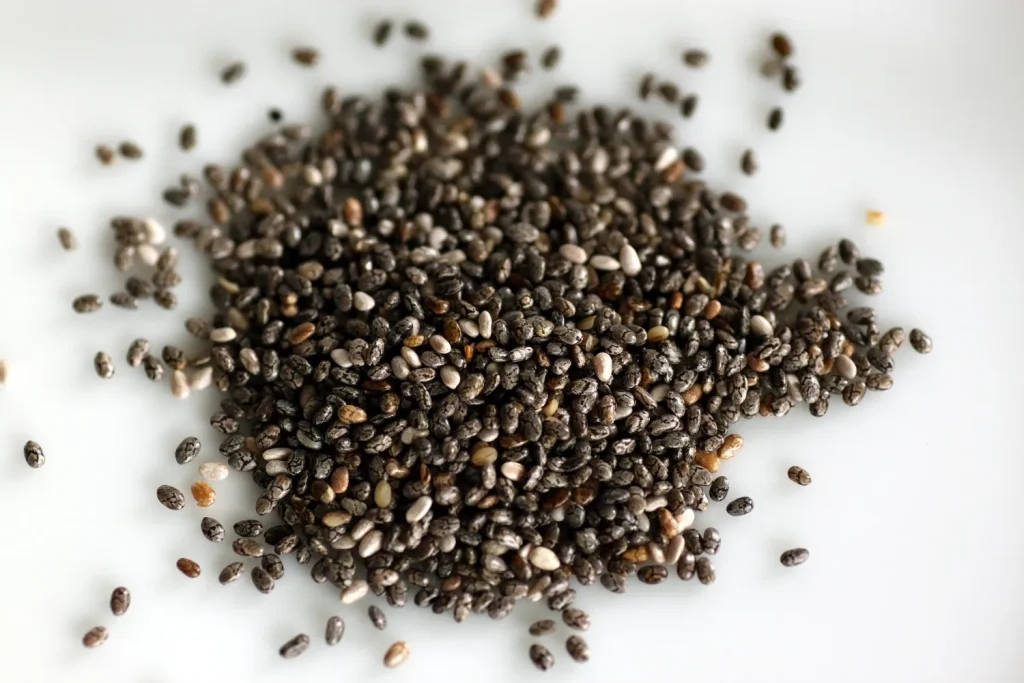
The most widespread habit I see is people sprinkling dry chia seeds over food and eating them immediately.
It’s convenient, quick, and feels healthy. But this approach ignores one of the most important characteristics of chia seeds—their ability to absorb liquid and expand.
Chia seeds can absorb up to 10–12 times their weight in water. When you consume them dry, they begin absorbing liquid inside your digestive system instead of outside it.
This can lead to a few issues. First, it may create a heavy or uncomfortable feeling in the stomach. Second, it can slow down proper digestion because the seeds are expanding internally rather than being pre-hydrated.
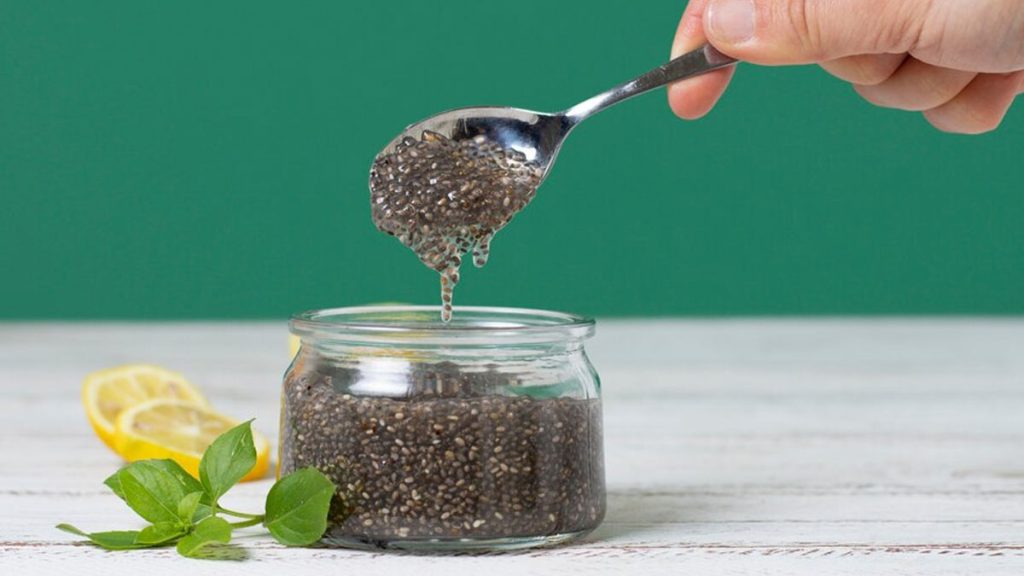
When chia seeds are soaked beforehand, they form a gel-like coating that makes them easier to digest and allows nutrients to be released more efficiently. Eating them dry skips this entire process.
So while sprinkling them on food may look healthy, it’s actually one of the least effective ways to consume them.
Why Soaking Changes Everything
Soaking chia seeds is not just about texture—it’s about functionality.
When soaked, chia seeds develop a gel layer due to soluble fiber. This gel slows digestion, stabilizes blood sugar levels, and improves nutrient absorption.
It also helps with hydration. Since the seeds hold onto water, they release it gradually in the body, which supports sustained hydration.
Without soaking, you miss out on these benefits.
I’ve found that even a simple step like soaking chia seeds for 20–30 minutes can completely change how they feel and function in the body. Overnight soaking works even better if you want a smoother consistency.
This one adjustment can make chia seeds significantly more effective.
Mistake 2: Using Too Much at Once
Another common issue is overconsumption.
People often assume that since chia seeds are healthy, more must be better. But because they are extremely high in fiber, consuming large amounts at once can overwhelm the digestive system.
This can lead to bloating, gas, or discomfort—especially if your body isn’t used to high fiber intake.
Chia seeds work best in moderate amounts. One to two tablespoons per day is usually enough to get the benefits without causing issues.
What matters more is consistency, not quantity.
Instead of taking large amounts occasionally, using small amounts daily allows your body to adapt and respond better over time.
Mistake 3: Not Drinking Enough Water
This mistake often goes hand in hand with the others.
Since chia seeds absorb a lot of liquid, your body needs enough water to support their function. Without proper hydration, they may not work as effectively and can even feel heavy in the stomach.
I’ve noticed that when I increase my water intake alongside chia seeds, everything feels smoother—digestion improves, and the overall experience is much better.
Hydration is not optional when it comes to chia seeds. It’s part of the process.
Mistake 4: Treating Chia Seeds as a Quick Fix
Another misconception is expecting instant results.
Chia seeds are often marketed as a superfood that can solve multiple problems quickly—weight loss, better skin, improved digestion. While they can support these areas, they don’t work overnight.
They are not a shortcut.
Their benefits build gradually over time as your body consistently receives nutrients and adapts to better habits.
Expecting quick results often leads to inconsistency. People try them for a few days, don’t see immediate changes, and stop.
The real value of chia seeds comes from long-term use.
Mistake 5: Using Them Without a Balanced Diet
Chia seeds are powerful, but they are not complete on their own.
Relying on them without maintaining a balanced diet limits their effectiveness. They work best when combined with other nutrient-rich foods like fruits, vegetables, proteins, and healthy fats.
For example, pairing chia seeds with vitamin C–rich foods can improve mineral absorption. Combining them with protein creates more balanced meals that keep you full longer.
Instead of treating chia seeds as a standalone solution, they should be part of a larger, balanced approach.
Mistake 6: Ignoring Preparation Timing
Many people don’t give enough attention to preparation timing.
Mixing chia seeds into a drink and consuming them immediately doesn’t allow them to fully expand. This reduces their effectiveness and changes how they feel in the body.
Letting them sit for at least 20–30 minutes—or ideally longer—ensures they reach their full gel consistency.
This small step improves digestion, texture, and nutrient absorption.
What the “Right Way” Actually Looks Like
After understanding what’s wrong, it becomes much easier to see what works.
The right way to use chia seeds is surprisingly simple:
Soak them properly
Use moderate amounts
Stay hydrated
Combine them with other foods
Be consistent
When you follow these steps, chia seeds become much more effective.
They support digestion, help control appetite, improve hydration, and contribute to overall wellness in a steady and sustainable way.
Why Most People Don’t See Results
If chia seeds are so beneficial, why don’t more people see results?
The answer usually comes down to misuse.
Eating them dry, using them inconsistently, expecting quick results, or ignoring hydration—all of these reduce their effectiveness.
It’s not that chia seeds don’t work. It’s that they’re often used incorrectly.
Once you fix these small mistakes, the difference becomes noticeable.
Chia seeds are simple, but they are not meant to be used casually.
The most common way people eat them—dry, unprepared, and inconsistent—is exactly what prevents them from working properly.
By understanding how they function and making small adjustments, you can unlock their full potential.
So instead of just sprinkling them on your food and hoping for the best, take a more intentional approach.
Soak them. Use them consistently. Stay hydrated. Combine them with balanced meals.
These small changes can turn chia seeds from a trendy ingredient into a powerful, everyday tool for better health.