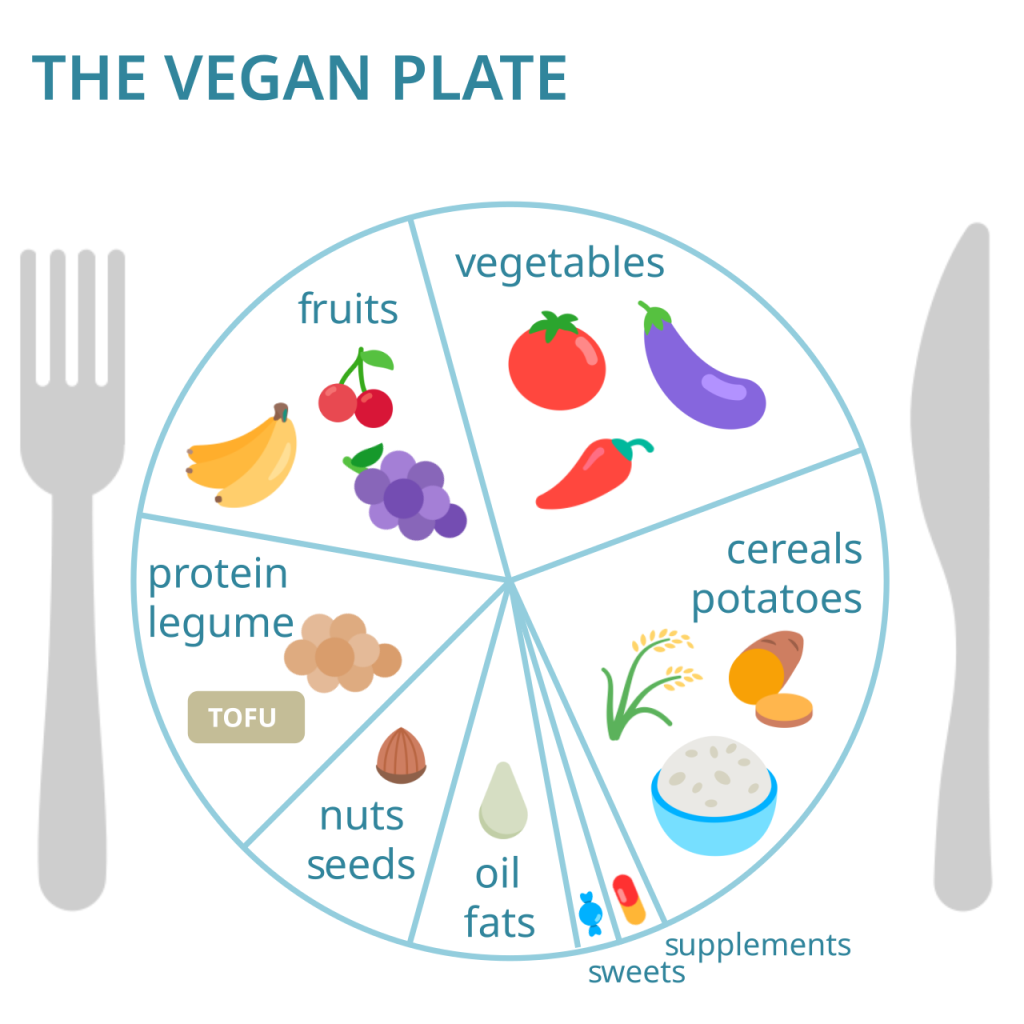
Switching to a vegan lifestyle wasn’t a dramatic overnight transformation. It was a series of small decisions some intentional, some accidental that slowly reshaped the way I eat, shop, think, and even feel.
After one full year of being vegan, here are the 12 biggest lessons I’ve learned—lessons no documentary, blog post, or Instagram reel fully prepared me for.
1. Veganism Is More About Awareness Than Restriction
Before going vegan, I assumed the lifestyle would feel restrictive. No dairy. No eggs. No meat. No “normal” desserts.
But what I discovered was the opposite.
Being vegan forced me to pay attention. I started reading labels. I noticed hidden ingredients like whey, gelatin, and casein. I became aware of where my food came from and how it was produced. That awareness spilled into other areas of my life—sustainability, ethical shopping, and even reducing waste.
Instead of focusing on what I “couldn’t” eat, I began exploring what I had never tried before:
- Nutritional yeast
- Tahini
- Lentil pasta
- Jackfruit
- Cashew-based sauces
The result? My diet actually became more diverse.
The biggest mindset shift was this: veganism isn’t about deprivation. It’s about intention.
2. Energy Levels Can Improve—But Only If You Eat Smart
One of the main reasons people consider veganism is better health. And yes, I did experience changes in my energy levels—but not automatically.
In the beginning, I made a classic mistake: replacing meat with processed vegan alternatives. Vegan burgers. Vegan sausages. Vegan frozen nuggets. Technically plant-based. Nutritionally questionable.
After a few months, I realized something important:
A vegan diet is not automatically healthy.
What made the difference was focusing on whole foods:
- Beans and lentils
- Leafy greens
- Whole grains
- Nuts and seeds
- Fresh fruits
When I started building balanced meals with proper protein, fiber, and healthy fats, my energy stabilized. I stopped having heavy post-meal crashes. My digestion improved. I felt lighter but not weak.
The lesson? Veganism works best when it’s intentional, not convenience-driven.
3. Protein Anxiety Is Overhyped
Before going vegan, I constantly heard:
“But where do you get your protein?”
After a year, I’ve learned that protein anxiety is mostly cultural.
Lentils, chickpeas, tofu, tempeh, edamame, quinoa, peanut butter—these foods add up quickly. When you eat enough calories and include a variety of plant-based sources, protein becomes a non-issue for most people.
What surprised me most was how little protein we actually need compared to what the fitness industry markets. Yes, athletes may need more—but the average person? Usually covered without obsession.
That said, I did learn to:
- Include a protein source in every meal
- Track my intake briefly in the beginning
- Consider B12 supplementation
Veganism taught me to separate science from fear-based myths.
4. Social Situations Are the Real Challenge
The hardest part of being vegan wasn’t cravings. It was conversations.
Family gatherings. Weddings. Work events. Traveling.
At first, I felt awkward asking, “Is there a vegan option?” I worried about being seen as difficult or high-maintenance. Sometimes I brought my own food. Sometimes I ate before attending events.
But over time, something interesting happened:
People became curious instead of critical.
Friends started asking for recipes. Family members began offering plant-based dishes when hosting. Restaurants became more accommodating than I expected.
I learned that confidence changes the dynamic. When you explain your choices calmly—without judgment—others usually respect them.
The real growth wasn’t dietary. It was social.
5. Cravings Don’t Disappear—They Evolve
Let’s be honest. The first few months? I missed certain foods.
Cheese was the hardest. Not because of hunger—but because of nostalgia. Pizza nights. Comfort food memories. Cultural habits.
But here’s what I learned: cravings are often emotional, not physical.
Over time:
- My taste buds adapted
- Heavy foods started feeling too rich
- Plant-based meals felt satisfying
Now, instead of craving dairy cheese, I crave creamy cashew pasta. Instead of fried fast food, I crave spicy chickpea wraps.
The brain adjusts faster than we think. The key is patience.
And occasionally? There are amazing vegan versions of old favorites that make the transition easier.
6. Veganism Changes
How You See the World The biggest lesson wasn’t physical. It was philosophical.
When you stop consuming animal products, you naturally start asking bigger questions:
- How is food produced?
- What impact does agriculture have on the planet?
- How do consumer choices influence industries?
I became more conscious of food waste. I paid attention to sourcing. I noticed how normalized certain systems are simply because they’re traditional.
Veganism expanded my awareness beyond the plate.
It didn’t make me perfect. I still learn. I still adjust. But it made me more aligned with my values.
7. Reading Labels Becomes Second Nature
In the beginning, grocery shopping felt like studying for an exam. Every label needed inspection. Milk powder in chips. Whey in bread. Honey in sauces. Animal-derived additives in places you’d never expect.
But after a few months, something shifted.
You begin recognizing:
- Which brands are safe
- Which products are usually not vegan
- Which ingredients are red flags
It becomes automatic.
The unexpected benefit? You become a smarter consumer overall. You start questioning ultra-processed ingredients, artificial additives, and marketing tricks. You don’t just shop vegan — you shop consciously.
That awareness carries into every aisle of the store.
8. Your Cooking Skills Level Up Fast
Before going vegan, many of my meals were simple: cook protein, add carbs, done.
But plant-based cooking requires creativity.
You learn how to:
- Build flavor with spices
- Use acidity (lemon, vinegar) properly
- Create creaminess without dairy
- Make sauces from scratch
- Combine textures for satisfaction
Suddenly, meals feel layered and intentional.
Ironically, removing animal products forced me to become a better cook.
Now I experiment more. I try global cuisines. I appreciate herbs and spices in a way I never did before. Food became more interesting — not less.
9. Eating Out Gets Easier Over Time
At first, restaurants felt stressful. You scan the menu hoping there’s at least one option that isn’t a plain salad.
But something I learned after a year:
Most places can modify dishes — if you ask politely.
Pasta without cheese. Stir fry without oyster sauce. Burritos without sour cream. Many chefs are more flexible than we assume.
Plus, the demand for plant-based options is growing everywhere. Cafés, fast-casual chains, even traditional restaurants now offer vegan dishes.
The key lesson? Preparation reduces stress.
- Check menus online first
- Call ahead for events
- Suggest restaurants with good vegan options
With time, it becomes routine.
10. You Learn to Plan Ahead (And That’s a Good Thing)
Spontaneity becomes slightly harder. Planning becomes more important.
Travel? Pack snacks.
Long meetings? Eat beforehand.
Flights? Pre-order meals.
At first, this feels inconvenient.
But over time, it actually improves your discipline.
Planning meals:
- Saves money
- Reduces impulse junk food
- Prevents nutrient gaps
- Keeps energy stable
What seemed like a limitation turned into a life skill.
Being proactive with food often spills into being proactive with health, fitness, and productivity.
11. You Stop Trying to Convince Everyone
In the beginning, it’s tempting to debate. To explain statistics. To defend your choice.
After a year, I realized something important:
You don’t have to convince anyone.
When people see consistency, calmness, and confidence — that speaks louder than arguments.
Some will be curious.
Some will disagree.
Some won’t care at all.
And that’s fine.
Veganism became less about proving a point and more about living aligned with my own values.
Peace replaced persuasion.
12. It’s Not About Perfection — It’s About Progress
This might be the most important lesson.
There will be mistakes. Hidden ingredients. Accidental consumption. Social pressure moments. Nutritional learning curves.
Perfectionism can make any lifestyle unsustainable.
What matters more is direction.
Over one year, I learned that:
- One imperfect meal doesn’t undo everything
- Small improvements compound
- Progress is powerful
Veganism isn’t a badge. It’s a practice.
And practices evolve.
One-Year Reflection
After 12 total lessons across this journey, here’s what stands out most:
- Awareness replaces autopilot.
- Cooking becomes creative.
- Planning becomes strategic.
- Social confidence increases.
- Cravings evolve.
- Discipline improves.
Going vegan wasn’t just a diet shift.
It changed my relationship with food, habits, social situations, and even decision-making.
And perhaps the biggest takeaway?
Humans adapt far better than we think.
If you’re considering trying veganism — even for 30 days — the real transformation won’t just be physical.
It will be mental.
And that’s where the lasting change happens. 🌱
What Surprised Me Most After One Year
If I had to summarize the biggest surprises:
- I didn’t feel deprived.
- I didn’t lack protein.
- I didn’t feel weak.
- I didn’t miss meat as much as I expected.
- I gained more cooking skills than ever before.
- I became more mindful overall.
Veganism wasn’t a diet change. It was a systems upgrade.
Common Mistakes I Made (So You Don’t Have To)
After one year, I can confidently say I made mistakes—and that’s okay.
- Relying too heavily on processed vegan foods
- Not supplementing B12 early enough
- Underestimating iron intake
- Not planning ahead for travel
- Expecting instant results
Every lifestyle change has a learning curve. The key is treating it as an experiment, not a rigid rulebook.
Would I Do It Again?
Yes—but differently.
If I could start over, I would:
- Focus on whole foods from day one
- Learn 10 simple staple recipes immediately
- Join a community for support
- Stop explaining myself to everyone
Veganism doesn’t have to be loud. It can be personal. Quiet. Intentional.
One year of being vegan taught me that food is powerful—not just physically, but psychologically and socially.
It showed me how adaptable humans are. How habits reshape taste. How awareness changes consumption. How small daily decisions compound into identity.
Whether someone chooses veganism for health, ethics, the environment, or curiosity—the real transformation isn’t on the plate.
It’s in perspective.
And that might be the most important lesson of all.