Plant-based proteins are becoming increasingly popular among people who want to eat healthier, reduce their environmental impact, or explore a more plant-focused diet. Many assume that protein can only come from meat, eggs, or dairy, but a wide variety of plant foods provide plenty of protein along with fiber, vitamins, and essential minerals.
Including plant-based protein sources in your meals can support muscle health, improve digestion, and provide long-lasting energy. These foods are also generally lower in saturated fat and can contribute to a balanced and nutritious diet.
Here are 12 excellent plant-based protein sources that are easy to include in everyday meals.
1. Lentils

Lentils are one of the most nutritious and affordable plant-based protein sources. They are rich in protein, fiber, iron, and several important vitamins that support overall health.
A single cup of cooked lentils provides around 18 grams of protein, making them an excellent addition to plant-based diets. Lentils are also very versatile and can be used in soups, stews, curries, salads, and even plant-based burgers.
Another advantage of lentils is that they cook relatively quickly compared to many other legumes. Their hearty texture and mild flavor allow them to absorb spices and seasonings easily, making them a staple ingredient in many cuisines around the world.
2. Chickpeas

Chickpeas, also known as garbanzo beans, are another excellent source of plant-based protein. They contain about 14–15 grams of protein per cooked cup and are packed with fiber, folate, and essential minerals.
These legumes are widely used in dishes such as hummus, falafel, salads, and curries. Roasted chickpeas also make a delicious and crunchy snack that can replace processed snacks.
Chickpeas are particularly beneficial because they help maintain steady energy levels and support healthy digestion. Their mild, nutty flavor makes them a great addition to many different recipes.
3. Tofu
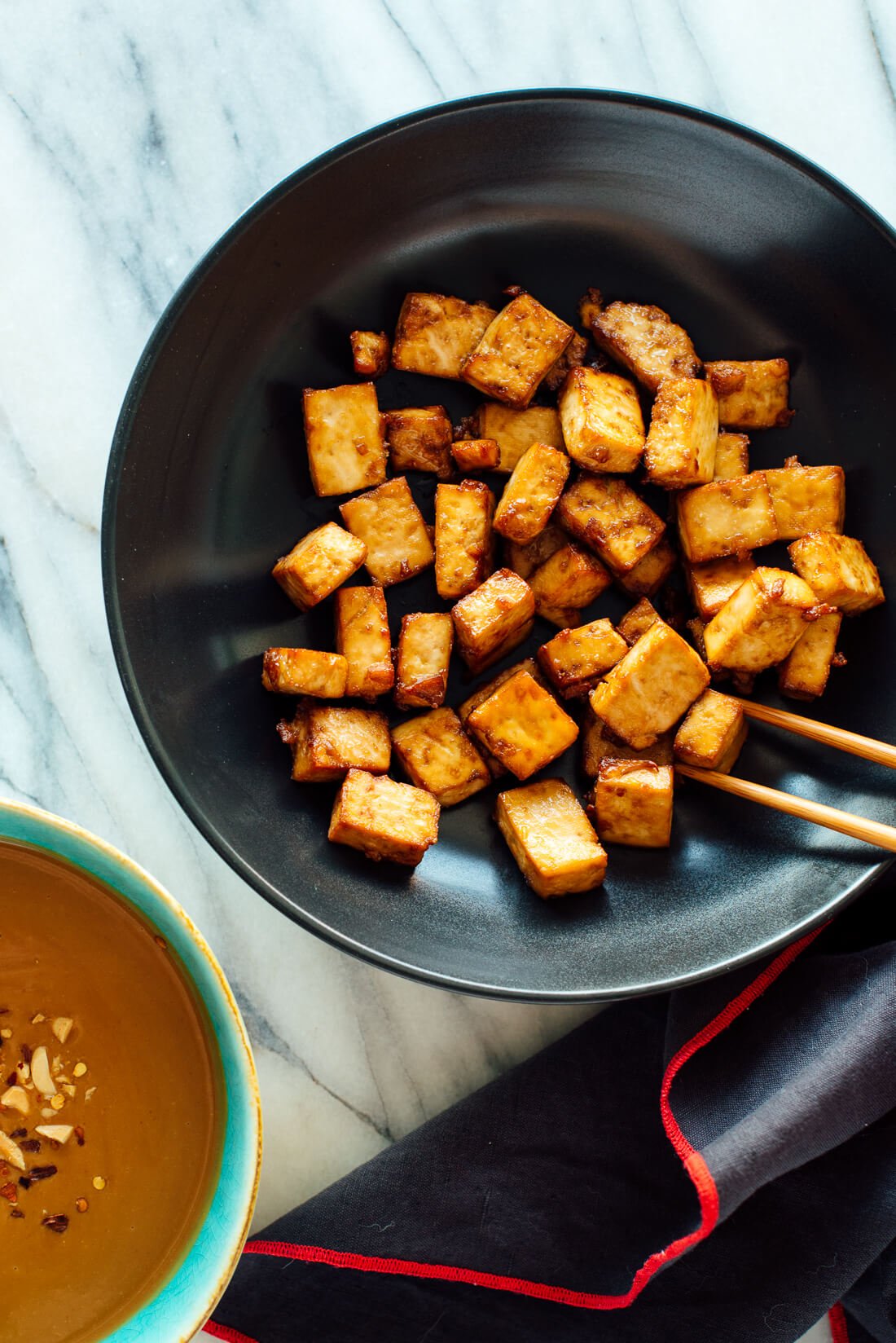
Tofu is made from soybeans and is one of the most well-known plant-based protein foods. It contains approximately 10 grams of protein per half cup and is also rich in calcium and iron.
One of tofu’s greatest advantages is its versatility. Because it has a mild flavor, tofu easily absorbs the taste of sauces, spices, and marinades used in cooking.
It can be grilled, baked, sautéed, blended into smoothies, or added to soups and stir-fries. Tofu is also widely used as a meat substitute in many plant-based recipes.
Including tofu in meals can help create satisfying dishes that are both nutritious and protein-rich.
4. Quinoa

Quinoa is often referred to as a “complete protein,” which means it contains all nine essential amino acids that the body needs. This makes it a particularly valuable plant-based protein source.
A cup of cooked quinoa provides about 8 grams of protein along with fiber, magnesium, and antioxidants.
Quinoa has a light, slightly nutty flavor and a fluffy texture when cooked. It can be used as a base for salads, grain bowls, or as a substitute for rice in many dishes.
Because it is naturally gluten-free and highly nutritious, quinoa has become a popular choice for people seeking healthier and more balanced meals.
5. Nuts and Seeds

Nuts and seeds are small but incredibly powerful sources of plant-based protein. Almonds, peanuts, chia seeds, flaxseeds, sunflower seeds, and pumpkin seeds all provide a good amount of protein along with healthy fats.
For example, almonds contain around 6 grams of protein per ounce, while chia seeds offer protein along with omega-3 fatty acids and fiber.
These foods are easy to include in daily meals. They can be added to smoothies, oatmeal, salads, yogurt alternatives, or eaten as a snack.
Nuts and seeds also provide long-lasting energy and help support heart health due to their healthy fat content.
6. Beans

Beans are another excellent plant-based protein source that can be used in a wide variety of meals. Black beans, kidney beans, pinto beans, and white beans all contain substantial amounts of protein and fiber.
On average, a cup of cooked beans provides about 15 grams of protein. Beans are also rich in complex carbohydrates that provide steady energy throughout the day.
They are commonly used in soups, stews, salads, tacos, and rice dishes. Because they are filling and affordable, beans are a staple ingredient in many plant-based diets around the world.
Regularly including beans in meals helps support digestive health while providing a reliable source of plant-based protein.
7. Tempeh

Tempeh is a fermented soy product that is packed with plant-based protein and beneficial nutrients. It is made by fermenting whole soybeans, which creates a firm and slightly nutty-textured food that works well in many savory dishes.
A serving of tempeh can provide around 19 grams of protein, making it one of the most protein-rich plant-based foods available. Because it is fermented, tempeh also supports gut health and may improve digestion.
Tempeh can be sliced, grilled, baked, or crumbled into dishes like stir-fries, tacos, and sandwiches. Its firm texture makes it an excellent alternative to meat in many plant-based recipes.
Adding tempeh to meals is a great way to increase protein intake while enjoying a nutritious and flavorful ingredient.
8. Edamame

Edamame are young, green soybeans that are harvested before they fully mature. These beans are naturally high in protein and contain many important nutrients including fiber, folate, and vitamins.
One cup of cooked edamame provides around 17 grams of protein, making it an excellent plant-based protein option.
Edamame is commonly served steamed with a pinch of salt and eaten as a snack or appetizer. The beans can also be added to salads, grain bowls, and stir-fries to boost protein and nutrition.
Because of their mild flavor and satisfying texture, edamame beans are a popular addition to many healthy meals.
9. Peanuts

Peanuts are technically legumes, but they are often grouped with nuts because of their similar taste and texture. They are an excellent source of plant-based protein and healthy fats.
Just one ounce of peanuts contains about 7 grams of protein along with important nutrients like magnesium and vitamin E.
Peanuts can be enjoyed in many forms, including roasted peanuts, peanut butter, or peanut sauces used in various cuisines. Peanut butter, in particular, is a convenient way to add protein to smoothies, toast, oatmeal, and snacks.
Because they are affordable and widely available, peanuts are a practical protein source for many households.
10. Green Peas

Green peas may be small, but they contain a surprisingly good amount of protein for a vegetable. A cup of cooked green peas provides around 8–9 grams of protein along with fiber, vitamins, and antioxidants.
They are easy to add to everyday meals and can be included in soups, pasta dishes, salads, and rice bowls.
Green peas also provide a naturally sweet flavor and vibrant color that enhances many dishes. Because they are commonly available frozen, they are a convenient ingredient that can be stored and used whenever needed.
Including green peas in meals is a simple way to increase plant-based protein intake while adding valuable nutrients.
11. Hemp Seeds

Hemp seeds are a powerful plant-based superfood that contains a high amount of protein and healthy fats. These tiny seeds come from the hemp plant and are rich in omega-3 and omega-6 fatty acids.
Just three tablespoons of hemp seeds provide around 10 grams of protein, making them a concentrated source of plant nutrition.
Hemp seeds have a mild, nutty flavor and can easily be added to smoothies, oatmeal, yogurt alternatives, salads, and baked goods.
Because they require no cooking or preparation, hemp seeds are one of the easiest ways to increase protein intake in plant-based diets.
12. Oats

Oats are commonly known as a healthy breakfast grain, but they are also a surprisingly good source of plant-based protein. One cup of cooked oats provides around 6 grams of protein along with fiber and important minerals.
Oats are particularly rich in beta-glucan, a type of soluble fiber that helps support heart health and maintain stable blood sugar levels.
They can be prepared in many ways including traditional oatmeal, overnight oats, smoothies, or baked goods. Oats pair well with nuts, seeds, and fruits, creating balanced and nutritious meals.
Because oats are affordable, filling, and easy to prepare, they are a convenient protein-rich addition to a plant-based diet.
Plant-based protein sources are not only nutritious but also incredibly versatile. Lentils, chickpeas, tofu, quinoa, nuts and seeds, and beans all provide essential nutrients that support a balanced diet.
By incorporating these foods into your daily meals, it becomes easy to meet your protein needs while enjoying a variety of delicious and wholesome dishes. Plant-based proteins also contribute to a more sustainable food system by requiring fewer natural resources compared to many animal-based foods.
Whether you follow a fully plant-based diet or simply want to include more plant foods in your routine, these protein-rich options are a great place to start.