Iron is an essential mineral that plays a crucial role in the body. It helps produce hemoglobin, a protein in red blood cells that carries oxygen throughout the body. Adequate iron intake supports energy levels, immune function, and overall health.
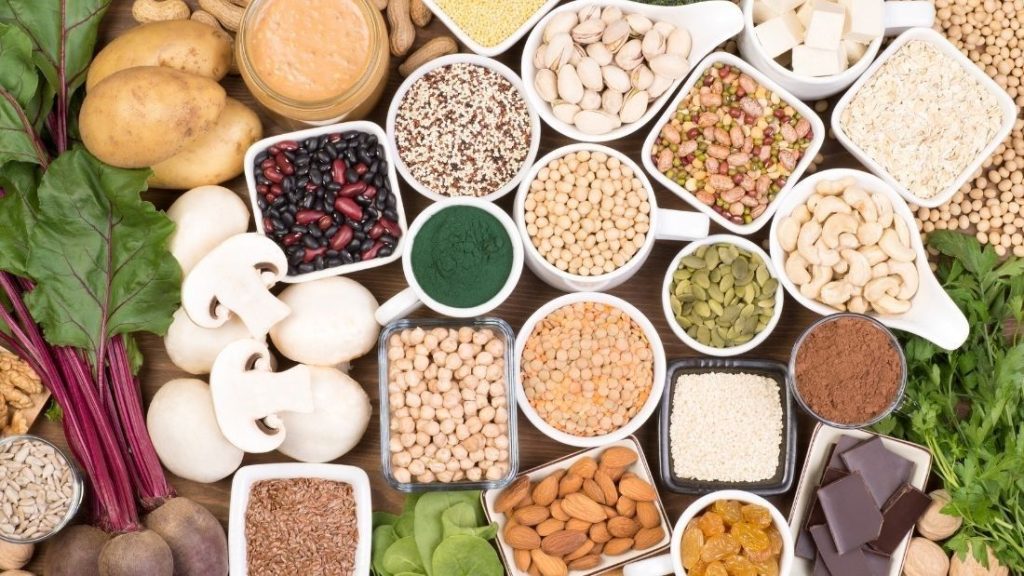
Many people believe that it is difficult to obtain enough iron on a vegan diet, but this is not necessarily true. A wide variety of plant-based foods provide significant amounts of iron. By including these foods regularly in meals, vegans can meet their daily iron needs while also benefiting from the fiber, vitamins, and antioxidants found in plant foods.
Here are 14 excellent sources of iron in a vegan diet.
1. Lentils

Lentils are one of the richest plant-based sources of iron. A single cup of cooked lentils contains around 6–7 milligrams of iron, making them a valuable addition to vegan diets.
In addition to iron, lentils provide protein, fiber, and important nutrients such as folate and magnesium. These nutrients support overall health while helping maintain steady energy levels.
Lentils are incredibly versatile and can be used in soups, curries, salads, stews, and plant-based burgers. Because they cook relatively quickly, they are also convenient for everyday meals.
2. Spinach

Spinach is a leafy green vegetable that contains a good amount of iron along with many other nutrients. One cup of cooked spinach provides about 6 milligrams of iron.
It is also rich in vitamin C, vitamin A, and antioxidants that support immune health and overall wellness.
Spinach can be enjoyed in salads, smoothies, soups, or sautéed as a side dish. Cooking spinach reduces its volume, allowing you to consume a larger amount and benefit from its nutrients.
Including leafy greens like spinach regularly can help support iron intake in plant-based diets.
3. Chickpeas

Chickpeas are another excellent source of iron in vegan diets. A cup of cooked chickpeas provides approximately 4–5 milligrams of iron.
These legumes are also rich in protein, fiber, and essential minerals that contribute to a balanced diet.
Chickpeas are widely used in dishes such as hummus, salads, curries, and stews. They can also be roasted with spices to create a crunchy and nutritious snack.
Their mild flavor and satisfying texture make chickpeas a popular ingredient in many plant-based recipes.
4. Tofu

Tofu, made from soybeans, is a nutrient-dense food that provides a good amount of iron along with plant-based protein.
Half a cup of tofu can contain around 3–4 milligrams of iron, depending on the variety. It is also a valuable source of calcium and other important nutrients.
Tofu’s mild flavor allows it to absorb the taste of sauces, spices, and marinades, making it a versatile ingredient in many dishes.
It can be grilled, baked, sautéed, or blended into soups and sauces, providing both protein and iron in plant-based meals.
5. Pumpkin Seeds

Pumpkin seeds are small but packed with nutrients, including iron. Just one ounce of pumpkin seeds provides around 2–3 milligrams of iron.
These seeds also contain healthy fats, magnesium, zinc, and plant-based protein. Their nutrient density makes them an excellent addition to a vegan diet.
Pumpkin seeds can be eaten as a snack or added to salads, oatmeal, smoothies, and baked goods. Their slightly nutty flavor pairs well with both sweet and savory dishes.
6. Quinoa

Quinoa is a nutritious whole grain that provides both iron and protein. One cup of cooked quinoa contains around 2–3 milligrams of iron.
Quinoa is also considered a complete protein because it contains all nine essential amino acids required by the body.
Its light, fluffy texture and slightly nutty flavor make it a popular base for grain bowls, salads, and side dishes.
Including quinoa in meals is a simple way to increase iron intake while enjoying a nutritious and filling food.
7. Beans

Various types of beans—including black beans, kidney beans, pinto beans, and white beans—are excellent plant-based sources of iron.
A cup of cooked beans can provide around 3–5 milligrams of iron, depending on the type.
Beans are also rich in protein, fiber, and complex carbohydrates that help provide steady energy. They are commonly used in soups, stews, rice dishes, salads, and plant-based chili.
Because they are affordable and widely available, beans are a practical and nutritious staple in many vegan diets.
8. Sesame Seeds (Tahini)

Sesame seeds are a small but powerful source of iron. Just a tablespoon of sesame seeds contains a noticeable amount of iron along with calcium, magnesium, and healthy fats.
Tahini, a paste made from ground sesame seeds, is another excellent way to include them in your diet. It is commonly used in dishes like hummus, salad dressings, and sauces.
Sesame seeds can also be sprinkled over salads, stir-fries, noodles, or roasted vegetables. Their nutty flavor enhances many dishes while adding valuable nutrients to meals.
Including sesame seeds regularly can help boost iron intake in a simple and delicious way.
9. Oats

Oats are commonly known for their fiber content, but they also provide a useful amount of iron. One cup of cooked oats contains roughly 3–4 milligrams of iron.
They are also rich in complex carbohydrates that provide steady energy throughout the day. Oats contain beta-glucan, a type of fiber known for supporting heart health.
Oats are extremely versatile and can be enjoyed as oatmeal, overnight oats, smoothies, or baked goods. Pairing oats with fruits like berries or oranges can also help improve iron absorption.
Because they are affordable and easy to prepare, oats are a convenient way to add iron to a vegan diet.
10. Dark Chocolate

Dark chocolate, especially varieties with high cocoa content, can provide a surprising amount of iron. About one ounce of dark chocolate may contain around 3 milligrams of iron.
Cocoa is also rich in antioxidants that help protect the body from oxidative stress.
While dark chocolate should be enjoyed in moderation, it can still be a pleasant way to contribute to daily iron intake. It can be added to smoothies, desserts, or eaten as a small snack.
Choosing dark chocolate with a high cocoa percentage ensures better nutritional benefits.
11. Amaranth

Amaranth is a nutritious ancient grain that provides a good amount of iron along with protein and fiber. One cup of cooked amaranth contains around 5 milligrams of iron.
It is also rich in magnesium, phosphorus, and antioxidants that support overall health.
Amaranth has a slightly nutty flavor and can be cooked similarly to quinoa or rice. It can be used in porridge, grain bowls, salads, or baked dishes.
Because it is naturally gluten-free and nutrient-dense, amaranth is an excellent addition to plant-based diets.
12. Cashews

Cashews are another plant-based food that provides a useful amount of iron. A handful of cashews can contribute to daily iron intake while also supplying protein and healthy fats.
They also contain magnesium, copper, and zinc, which support various functions in the body.
Cashews can be eaten as a snack, added to stir-fries, blended into sauces, or used to make plant-based creams and dairy alternatives.
Their creamy texture and mild flavor make them a versatile ingredient in many vegan recipes.
13. Dried Apricots

Dried fruits such as apricots can provide a modest amount of iron while also offering fiber and natural sweetness.
Dried apricots contain iron along with vitamin A and antioxidants that support eye health and immune function.
They are easy to include in daily meals as a snack or added to oatmeal, salads, and trail mixes.
Because dried fruits are concentrated sources of nutrients, even small portions can contribute to iron intake in a vegan diet.
14. Blackstrap Molasses

Blackstrap molasses is a thick syrup produced during the sugar refining process and is surprisingly rich in iron.
Just one tablespoon can provide around 3–4 milligrams of iron, making it a concentrated plant-based source.
It also contains calcium, potassium, and magnesium. Because of its strong flavor, molasses is usually used in small amounts in baking, sauces, or beverages.
Some people add a small spoonful to warm drinks, smoothies, or oatmeal to increase iron intake naturally.
Including blackstrap molasses occasionally can be another helpful way to support iron levels in a vegan diet.
Getting enough iron on a vegan diet is entirely achievable with the right food choices. Lentils, spinach, chickpeas, tofu, pumpkin seeds, quinoa, and beans all provide valuable amounts of plant-based iron.
To improve iron absorption, it can be helpful to pair these foods with vitamin C–rich ingredients such as citrus fruits, tomatoes, bell peppers, or leafy greens.
By including a variety of iron-rich plant foods in daily meals, individuals following a vegan diet can support healthy energy levels, strong immunity, and overall well-being.