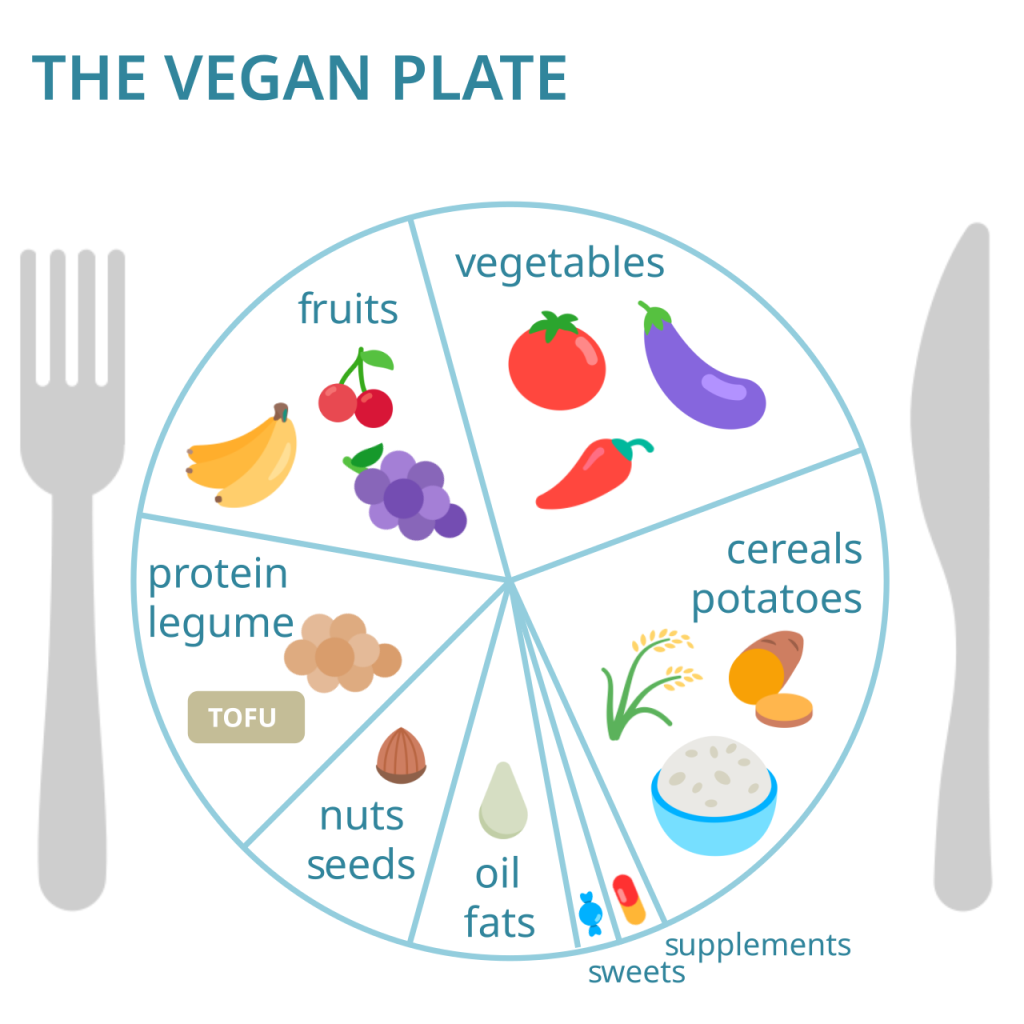
Switching to a vegan diet can bring many health benefits—better digestion, lighter meals, and often improved overall wellness. But some people experience the opposite at first. Instead of feeling energized, they feel tired, sluggish, or constantly hungry.
In many cases, the problem isn’t the vegan diet itself.
It’s a few subtle mistakes that quietly drain energy over time.
Plant based eating works best when meals are balanced and nutrient-rich. When certain habits are overlooked, the body may not get the fuel it needs to maintain steady energy levels.
Here are 11 common vegan diet mistakes that can slowly drain your energy—and how to avoid them.
1. Eating Too Many Refined Carbohydrates
One of the most common mistakes beginners make is replacing animal foods with large amounts of refined carbohydrates.
Foods like white bread, white pasta, sugary cereals, and processed vegan snacks can easily dominate a plant-based diet if you’re not careful.
While these foods provide quick energy, they digest very quickly and cause blood sugar spikes followed by crashes.
That crash often shows up as fatigue, brain fog, or sudden hunger shortly after eating.
Instead, focus on complex carbohydrates that release energy slowly.
Whole grains like oats, brown rice, quinoa, and whole wheat provide fiber and nutrients that stabilize blood sugar. Pairing them with protein sources such as beans or tofu helps create longer-lasting energy.
When carbohydrates come from whole foods rather than refined sources, your energy stays steady throughout the day.
2. Not Eating Enough Calories
Another hidden issue for many new vegans is simply not eating enough food.
Plant foods are naturally lower in calorie density compared to many animal products. Vegetables and fruits are high in fiber and water, which means they fill you up quickly but may not provide enough calories on their own.
If meals rely heavily on salads, vegetables, and fruit without enough energy-dense foods, your body may not get the fuel it needs.
This can lead to constant fatigue, low concentration, and persistent hunger.
Adding foods like nuts, seeds, avocados, whole grains, legumes, and healthy plant oils helps increase calorie intake in a healthy way.
Balanced meals that include carbohydrates, protein, and healthy fats provide the sustained energy your body needs.
3. Ignoring Iron Intake
Iron plays a crucial role in transporting oxygen throughout the body. When iron intake is low, fatigue can appear quickly.
While plant foods do contain iron, the type of iron they provide—non-heme iron—is absorbed slightly differently than iron from animal sources.
Many beginners overlook iron-rich plant foods such as lentils, chickpeas, tofu, spinach, pumpkin seeds, and fortified cereals.
Another important trick is pairing iron-rich foods with vitamin C.
Vitamin C significantly improves iron absorption. Adding foods like bell peppers, citrus fruits, tomatoes, or strawberries to meals can make a big difference.
For example, squeezing lemon over lentils or adding tomatoes to bean dishes can help the body absorb more iron.
Paying attention to iron intake helps maintain healthy energy levels.
4. Skipping Healthy Fats
In an effort to eat “clean,” some people unintentionally remove too much fat from their diet.
Healthy fats are essential for hormone balance, brain function, and long-lasting energy. Without them, meals may feel unsatisfying and leave you hungry soon after eating.
Plant-based sources of healthy fats include avocados, nuts, seeds, olive oil, flaxseeds, and chia seeds.
Adding even small portions of these foods can dramatically improve how filling a meal feels.
For example, oatmeal with almond butter or chia seeds is far more sustaining than plain oatmeal alone.
Healthy fats also help the body absorb fat-soluble vitamins such as A, D, E, and K.
Including them regularly supports both energy and overall health.
5. Relying Too Much on Processed Vegan Foods
The growing popularity of plant-based diets has led to a surge in vegan convenience foods—burgers, sausages, cheeses, and packaged snacks.
While these foods can be helpful occasionally, relying on them too often may lead to low energy levels.
Many processed vegan products contain high levels of sodium, refined oils, and additives while lacking important nutrients.
They may satisfy cravings but often fail to provide the vitamins, minerals, and fiber that whole foods deliver.
A more energizing approach is building most meals around whole plant foods.
Beans, lentils, tofu, whole grains, vegetables, fruits, nuts, and seeds provide a wide range of nutrients that support metabolism and sustained energy.
Processed vegan foods can still have a place in your diet—but they work best as occasional additions rather than daily staples.
6. Skipping Protein at Breakfast
Many plant-based beginners start their day with foods that are mostly carbohydrates—toast with jam, fruit smoothies, cereal, or plain oatmeal.
While these options can be healthy, they may not provide enough protein to sustain energy for several hours.
Protein helps stabilize blood sugar levels and keeps you feeling full longer. Without it, your body may experience a mid-morning energy crash that leads to fatigue or strong cravings.
Adding plant-based protein sources to breakfast can make a big difference.
Oatmeal becomes more filling when topped with peanut butter, hemp seeds, or chia seeds. Smoothies become more balanced when blended with tofu, soy milk, or nut butter.
When breakfast includes both carbohydrates and protein, your energy tends to stay stable throughout the morning.
7. Not Drinking Enough Water
Hydration plays a surprisingly important role in energy levels, yet it’s often overlooked.
Plant-based diets are naturally higher in fiber, which is excellent for digestion. But fiber requires adequate water to move smoothly through the digestive system.
If water intake is too low, digestion can slow down and lead to feelings of heaviness, bloating, or fatigue.
Even mild dehydration can affect concentration, mood, and physical energy.
Developing a simple habit of drinking water throughout the day helps support metabolism and keeps your body functioning efficiently.
Starting the morning with a glass of water and keeping a bottle nearby during the day can help prevent dehydration before it affects your energy.
8. Eating the Same Foods Every Day
Another subtle mistake is relying on the same few plant foods repeatedly.
It’s easy to fall into a routine of eating the same breakfast, lunch, and dinner every day. While this may be convenient, it can limit the variety of nutrients your body receives.
Different plant foods provide different vitamins, minerals, and antioxidants. When your diet lacks variety, certain nutrients may fall short over time.
Rotating different legumes, grains, vegetables, and fruits throughout the week helps ensure a broader range of nutrients.
For example, switching between lentils, chickpeas, black beans, and tofu provides different benefits. Rotating vegetables like spinach, broccoli, kale, and bell peppers introduces additional vitamins and minerals.
A diverse plant-based diet often leads to more balanced nutrition and better overall energy.
9. Ignoring Vitamin B12
Vitamin B12 is one nutrient that deserves special attention in a vegan diet.
This vitamin plays a crucial role in nerve function, red blood cell formation, and energy production.
Because B12 is primarily found in animal-based foods, plant-based eaters usually obtain it through fortified foods or supplements.
If B12 intake is too low for an extended period, fatigue and weakness can develop gradually.
Fortunately, addressing this issue is straightforward. Many plant-based milks, breakfast cereals, and nutritional yeast products are fortified with B12.
Some people also choose a simple B12 supplement to ensure consistent intake.
Paying attention to this nutrient helps prevent unnecessary energy dips.
10. Eating Too Little Before Physical Activity
Plant-based diets can support excellent athletic performance, but timing and fuel still matter.
Some beginners underestimate how much energy they need before exercise or physical activity.
If you begin a workout without adequate fuel, your body may struggle to maintain stamina. This can lead to early fatigue or a feeling of exhaustion afterward.
A small meal or snack containing carbohydrates and a little protein before activity can help provide the energy your muscles need.
For example, a banana with peanut butter, a small bowl of oatmeal, or a slice of whole-grain toast with hummus can provide steady fuel.
Proper pre-activity nutrition supports better performance and helps maintain energy throughout the day.
11. Eating Heavy Meals Late at Night
Another subtle habit that can drain energy is eating very heavy meals late in the evening.
Large meals close to bedtime may interfere with sleep because the digestive system continues working while your body is trying to rest.
Poor sleep quality often shows up the next day as fatigue, lack of focus, or low motivation.
Many people find that lighter evening meals improve both digestion and sleep.
Meals like vegetable soups, grain bowls, or simple stir-fries provide nourishment without overwhelming the digestive system.
When dinner supports restful sleep rather than disrupting it, your energy the following day tends to improve naturally.
Small Adjustments, Big Energy Gains
Many of these mistakes are subtle and easy to overlook.
Skipping protein at breakfast, not drinking enough water, eating the same foods daily, or relying too heavily on convenience foods can gradually affect how you feel.
The good news is that these habits are simple to fix.
Adding variety, balancing meals, staying hydrated, and paying attention to key nutrients can transform the way your body responds to a plant-based diet.
With the right balance, a vegan diet doesn’t drain energy—it can become one of the most energizing ways to eat.
The Key to Sustainable Vegan Energy
Feeling energized on a vegan diet isn’t about complicated rules or strict restrictions.
It’s about balance.
Whole carbohydrates for steady fuel.
Protein-rich plant foods for strength and repair.
Healthy fats for satisfaction and nutrient absorption.
Key minerals like iron to support oxygen flow in the body.
When these elements come together, the vegan diet can be incredibly energizing.
By avoiding these common mistakes and focusing on balanced plant-based meals, many people find their energy improves rather than declines.
Sometimes the difference between feeling drained and feeling vibrant is just a few small adjustments to how you build your plate.