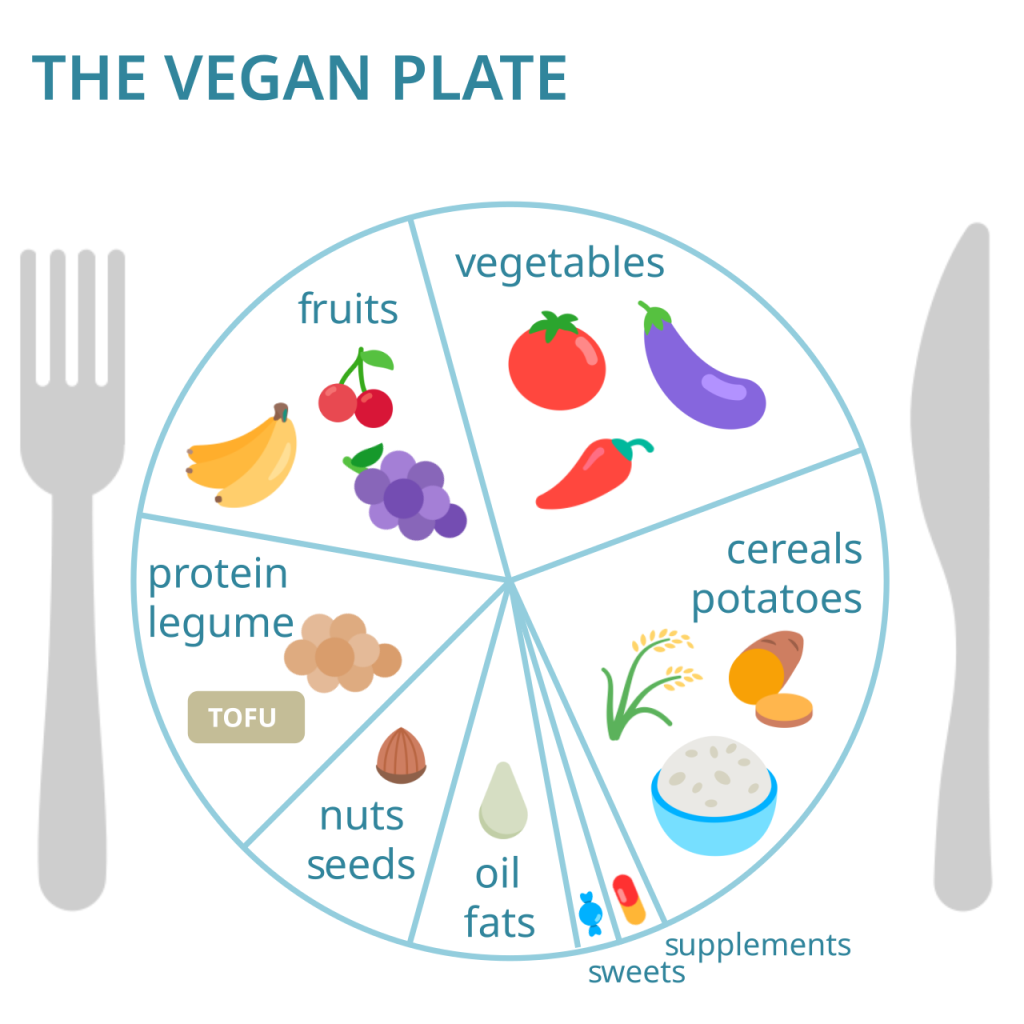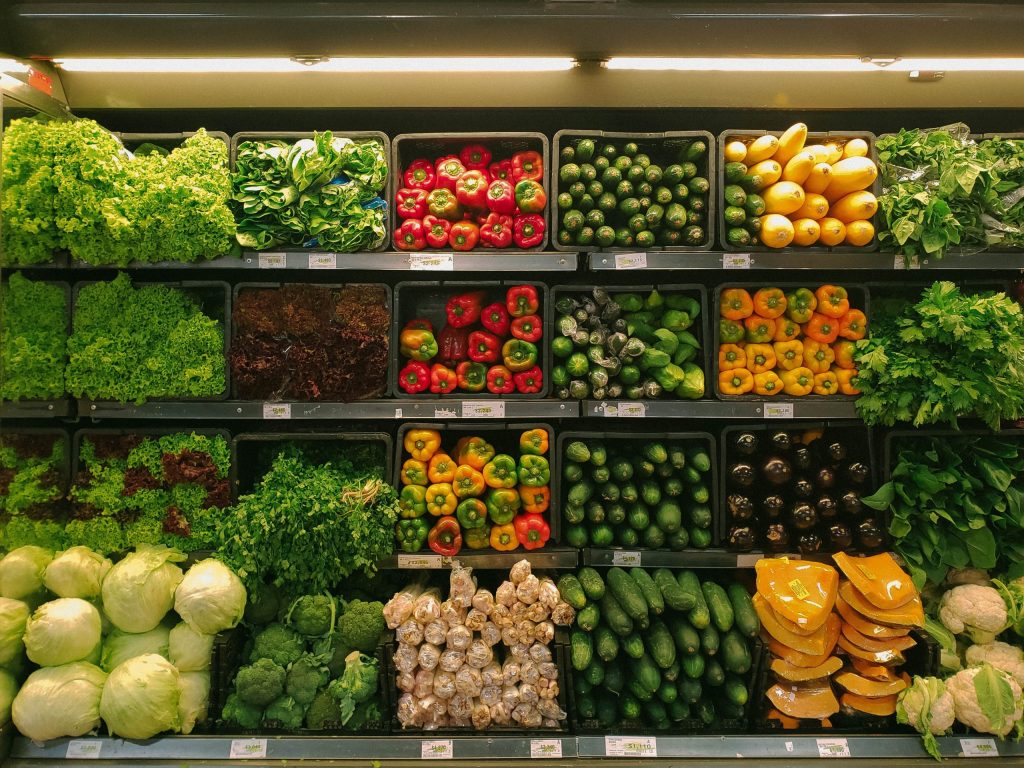
Switching to a vegan lifestyle often comes with a pleasant surprise: many plant-based foods are naturally affordable. Beans, rice, lentils, potatoes, oats, and seasonal vegetables are among the most budget-friendly foods in the grocery store.
Yet many people still find their grocery bills increasing after going vegan.
The reason usually isn’t the diet itself—it’s a few quiet shopping habits that slowly drain money over time. These mistakes are easy to make, especially for beginners navigating new products and unfamiliar ingredients.
Once you recognize them, saving money on a vegan grocery budget becomes much easier.
Here are 11 common vegan grocery mistakes that quietly waste hundreds of dollars each year.
1. Buying Too Many Specialty Vegan Products
One of the biggest traps for new vegans is the growing aisle of specialty vegan products.
Plant-based burgers, vegan cheeses, dairy-free ice creams, meat substitutes, and ready-made meals can be exciting when you first transition. They make the lifestyle feel familiar and convenient.
But these products are often significantly more expensive than whole plant foods.
While they can be helpful occasionally, relying on them too often can quickly inflate your grocery bill.
A single pack of vegan burgers may cost the same as several servings of lentils or chickpeas.
Many long-term vegans find that the most affordable meals are also the simplest ones: beans, grains, vegetables, and homemade dishes.
Keeping specialty products as occasional treats rather than daily staples can save a surprising amount of money over time.
2. Throwing Away Fresh Produce
Another hidden grocery mistake is buying too much fresh produce without a plan to use it.
It’s easy to get excited in the produce section. Colorful fruits and vegetables look appealing, and many people load their carts with good intentions.
But when produce sits unused in the refrigerator, it eventually spoils and ends up in the trash.
Food waste is one of the most common ways grocery money disappears.
A better approach is to buy produce with specific meals in mind. Planning how ingredients will be used during the week helps prevent waste.
Frozen fruits and vegetables can also be useful. They last longer, are often just as nutritious, and can be used whenever needed.
Reducing food waste alone can significantly lower your grocery expenses.
3. Ignoring Bulk Sections
Bulk bins are one of the best places to save money on plant-based staples, yet many shoppers overlook them.
Grains, beans, lentils, nuts, seeds, and dried fruits are often available in bulk sections at a lower cost than packaged versions.
Buying in bulk allows you to purchase exactly the amount you need without paying extra for packaging and branding.
Staples like oats, brown rice, quinoa, and dried beans can be purchased in larger quantities and stored for weeks or months.
These ingredients form the foundation of many vegan meals and are typically far cheaper when bought this way.
Using bulk sections consistently can reduce the cost of many everyday foods.
4. Shopping Without a Meal Plan
Another subtle but expensive mistake is grocery shopping without a clear plan.
When you walk into the store without knowing exactly what meals you’ll prepare, it becomes easier to buy unnecessary items.
Impulse purchases, duplicate ingredients, and forgotten foods that sit unused in the fridge all contribute to higher grocery spending.
Creating even a simple weekly meal plan helps solve this problem.
You don’t need an elaborate system—just a few meal ideas for the week and a list of ingredients required.
For example, you might plan meals like lentil soup, chickpea curry, tofu stir-fry, and grain bowls.
With a plan in place, grocery shopping becomes more focused and efficient.
This small habit reduces unnecessary purchases and helps ensure that everything you buy gets used.
5. Overpaying for Pre-Cut or Pre-Packaged Foods
Convenience foods can be helpful, but they often come with a higher price tag.
Pre-cut vegetables, packaged salads, ready-made smoothie blends, and pre-cooked grains usually cost significantly more than their whole counterparts.
For example, a bag of chopped vegetables may cost two or three times more than buying the vegetables whole and cutting them yourself.
Over time, these small price differences add up.
Preparing ingredients at home may take a few extra minutes, but it can save a considerable amount of money throughout the year.
Many experienced vegan cooks develop simple routines like washing vegetables, cooking grains in batches, or preparing ingredients ahead of time.
These small habits reduce both grocery costs and daily meal preparation stress.
6. Buying Imported Superfoods Instead of Local Staples
One mistake many new vegans make is assuming that a healthy plant-based diet requires expensive “superfoods.”
Items like imported chia bowls, exotic berries, specialty powders, and trendy health foods often dominate social media and wellness blogs. While these foods can be nutritious, they are rarely necessary for a balanced vegan diet.
Local staples often provide the same nutrients at a fraction of the cost.
For example, lentils can offer protein and iron similar to many expensive superfoods. Local fruits and vegetables provide vitamins and antioxidants just as effectively as imported options.
Building meals around affordable staples like beans, rice, oats, potatoes, seasonal vegetables, and fruits can dramatically lower grocery costs.
Superfoods can be enjoyable occasionally, but they shouldn’t replace the affordable foundations of a vegan diet.
7. Not Using Leftovers Efficiently
Leftovers are one of the easiest ways to stretch your grocery budget, yet many people overlook their potential.
Sometimes leftovers sit in the refrigerator until they spoil, simply because they weren’t repurposed creatively.
A pot of cooked lentils, for example, can become several different meals throughout the week.
It might start as lentil soup, then be added to a salad the next day, and later used in tacos or grain bowls.
Cooked rice can become stir-fried rice, burrito fillings, or vegetable bowls.
Using leftovers intentionally reduces food waste and minimizes the need to cook entirely new meals each day.
This simple habit can significantly reduce grocery spending over time.
8. Shopping When You’re Hungry
Shopping while hungry is a classic mistake, but it can be especially expensive in the grocery store.
When hunger kicks in, everything looks appealing. Snacks, convenience foods, and impulse items suddenly seem irresistible.
Without realizing it, you may add several items to your cart that were never part of your plan.
These extra purchases often include processed vegan treats or packaged foods that cost more than simple staples.
Eating a meal or snack before grocery shopping can help you make clearer decisions.
When you shop with a full stomach and a focused list, it becomes easier to stick to what you actually need.
This small habit prevents unnecessary spending that quietly adds up over time.
9. Ignoring Store Brands
Many grocery stores offer store-brand versions of plant-based staples like canned beans, plant milks, grains, and frozen vegetables.
These products are often significantly cheaper than well-known brand names.
However, some shoppers automatically choose familiar brands without checking alternatives.
In many cases, the ingredients and nutritional value are nearly identical.
Choosing store brands for everyday staples can reduce grocery costs without sacrificing quality.
Over the course of a year, consistently selecting these lower-cost options can save a noticeable amount of money.
10. Not Freezing Extra Food
Freezers are powerful tools for preventing food waste, but many people underuse them.
If fruits, vegetables, bread, or cooked meals are approaching their expiration date, freezing them can extend their life for weeks or even months.
Bananas that become too ripe can be frozen for smoothies. Bread can be stored and toasted later. Cooked beans and grains can be portioned and frozen for quick meals.
Without this habit, food that could still be used often ends up being thrown away.
Freezing extra food ensures that your groceries are used fully instead of wasted.
11. Buying Too Many Ingredients for One Recipe
Trying new vegan recipes can be exciting, but sometimes it leads to buying several specialty ingredients for a single dish.
If those ingredients are rarely used again, they may sit in the pantry until they expire.
Instead, it helps to build a core set of versatile ingredients that can be used across many meals.
Staples like garlic, onions, soy sauce, spices, beans, grains, and vegetables appear in countless plant-based recipes.
Focusing on flexible ingredients makes cooking easier and reduces the chance of wasting food.
Over time, this approach simplifies grocery shopping and helps you get more value out of the ingredients you buy.
The Hidden Key to Saving Money on a Vegan Diet
A vegan diet can be incredibly affordable when built around simple habits.
Buying whole foods, planning meals, using leftovers, and avoiding unnecessary convenience products can dramatically reduce grocery spending.
Small changes—like freezing extra food, choosing store brands, and avoiding impulse purchases—may seem minor at first.
But over the course of a year, these habits can save hundreds of dollars while still supporting a healthy and satisfying plant-based lifestyle.
The Real Secret to Affordable Vegan Grocery Shopping
A vegan diet doesn’t have to be expensive.
In fact, some of the healthiest plant-based foods are also the most affordable.
The key is building meals around simple, whole ingredients while avoiding unnecessary spending on convenience items and unused groceries.
When you focus on staples like beans, grains, vegetables, fruits, nuts, and seeds—and shop with a plan—you may find that your grocery bill actually decreases.
Small changes in how you shop can easily save hundreds of dollars over the course of a year.
And the best part is that these habits not only save money—they also support a healthier, more sustainable way of eating.