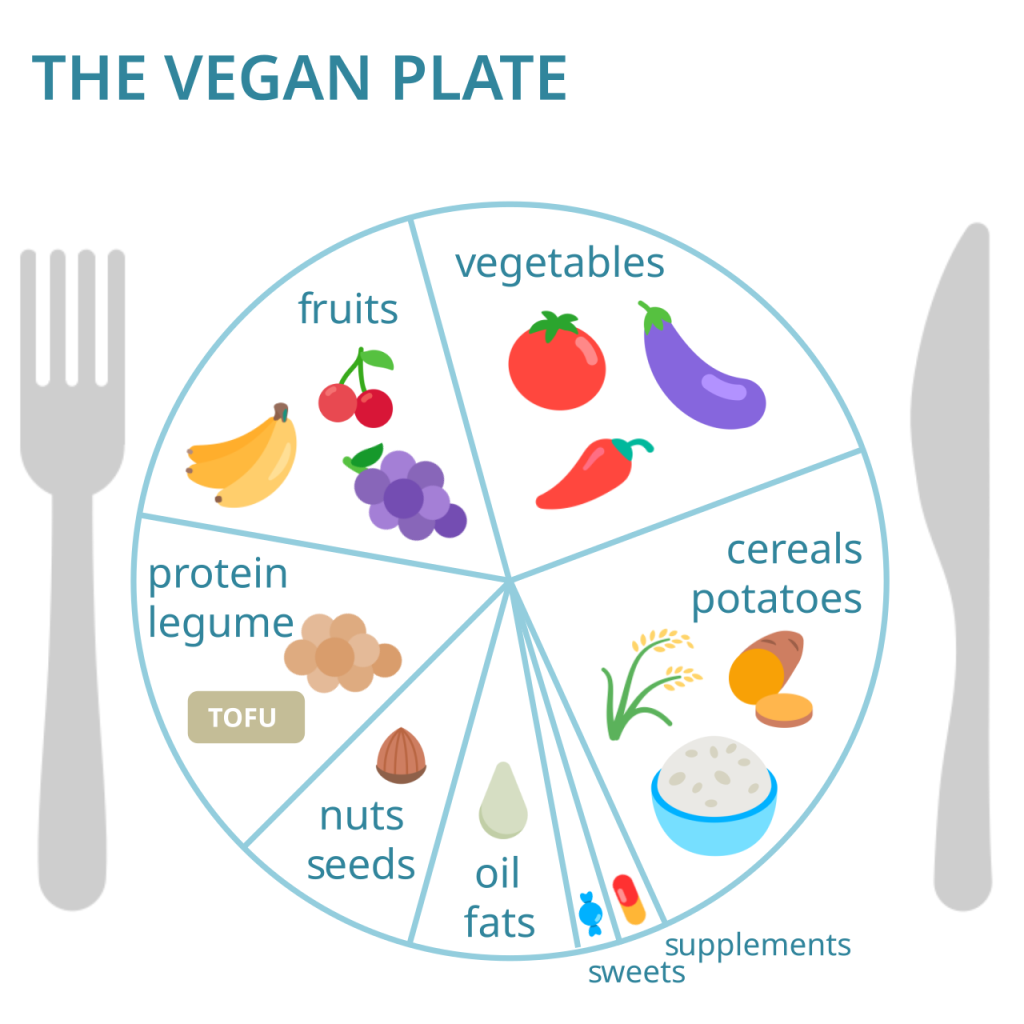
When people think about going vegan, they usually focus on the obvious things: no meat, no dairy, more vegetables, maybe some almond milk and tofu.
But after a while, you realize something surprising.The real transformation doesn’t come from what you remove from your plate.
It comes from the quiet habits you build around your food.
These are the vegan habits no one really talks about — but once you adopt them, everything changes. Your energy shifts. Your mindset evolves. Your relationship with food becomes intentional instead of automatic.
Here are 11 powerful vegan habits that truly make the difference.
1. Reading Labels Like Your Health Depends On It
Before going vegan, most people rarely read ingredient labels carefully. You glance at calories, maybe sugar, and toss it into your cart.
Veganism changes that.
Suddenly you’re scanning for hidden milk powder, whey, gelatin, casein, and mysterious additives. You start understanding what goes into packaged foods. You notice how often animal byproducts appear where they shouldn’t.
But here’s the deeper shift.
You don’t just read labels to avoid animal products — you begin reading them to avoid ultra-processed junk. You start recognizing artificial colors, hydrogenated oils, and preservatives you can’t pronounce.
This habit builds awareness.
And awareness changes everything.
You become more intentional about what you eat. You stop eating on autopilot. You begin asking: Is this nourishing me or just filling me?
Over time, this habit naturally leads you toward cleaner, simpler foods — not because someone told you to, but because you’ve trained yourself to care.
2. Planning Meals Before You’re Hungry
One of the biggest struggles new vegans face isn’t protein — it’s planning.
When you’re already hungry and have nothing prepared, you’re more likely to grab processed snacks or order whatever’s convenient. That’s when frustration builds and people say, “Vegan is hard.”
Experienced vegans know the secret: preparation beats willpower.
You start soaking beans overnight.
You batch cook lentils.
You chop vegetables in advance.
You keep hummus, nuts, and fruit ready.
This simple habit removes stress.
Instead of wondering what you can eat, you already know. Instead of reacting to hunger, you anticipate it.
And something interesting happens — your food anxiety drops.
Planning isn’t restriction. It’s freedom.
You’re no longer controlled by cravings or convenience. You’re supported by preparation.
This one habit alone makes the vegan lifestyle sustainable instead of overwhelming.
3. Learning to Balance, Not Just Eliminate
At first, many people approach veganism with a subtraction mindset.
No meat.
No dairy.
No eggs.
But thriving long-term requires a different mindset: addition.
You learn to add legumes for protein.
You add seeds for omega-3s.
You add leafy greens for iron.
You add variety for gut health.
Instead of focusing on what’s missing, you focus on what’s abundant.
This subtle mental shift changes your entire relationship with food.
Your meals become colorful instead of restrictive. Your plate feels creative instead of limited. You explore cuisines you may have never tried before — Indian dals, Middle Eastern hummus bowls, Thai coconut curries.
Veganism becomes expansion, not deprivation.
And when your mindset shifts from “I can’t eat that” to “Look at everything I can eat,” everything feels lighter.
4. Listening to Your Body More Closely
When you switch to a plant-based diet, your body starts giving clearer signals.
You notice how different foods affect your digestion.
You feel when you’ve eaten enough fiber.
You recognize when you need more protein.
You become aware of hydration levels.
Many people report that they become more connected to their hunger and fullness cues after going vegan.
Why?
Because whole plant foods digest differently. They require more chewing. They fill you gradually. They don’t spike and crash your energy the same way ultra-processed meals can.
Over time, you become more intuitive.
You stop eating out of boredom.
You stop mistaking dehydration for hunger.
You begin respecting your body’s signals instead of ignoring them.
This habit extends beyond food.
You start listening to your energy, your sleep needs, your stress levels.
Veganism becomes a gateway to self-awareness.
5. Accepting That Progress Matters More Than Perfection
This is the habit that keeps people vegan long-term.
At some point, you’ll make a mistake. You’ll eat something with hidden dairy. You’ll attend an event with limited options. You’ll face social pressure.
Perfection is impossible.
Sustainable veganism is built on progress.
Instead of guilt, you choose learning.
Instead of shame, you choose awareness.
Instead of quitting, you choose recommitment.
This habit builds resilience.
You realize that being vegan isn’t about being flawless — it’s about aligning your daily choices with your values as consistently as you can.
And that mindset spills into other areas of life.
You become more compassionate — not just toward animals, but toward yourself.
Here are 6 more vegan habits no one talks about — but that quietly transform everything.
(Continuing in the same style, no lines after subheadings.)
6. Making Fiber Your Best Friend (Instead of Fearing It)
Most people don’t realize how little fiber they were eating before going vegan.
When you switch to whole plant foods, fiber intake naturally increases — sometimes dramatically. At first, this can feel uncomfortable. But once your body adapts, something powerful happens.
Your digestion becomes more regular.
Your bloating reduces.
Your energy stabilizes.
Instead of fearing carbs, you begin understanding them. You learn the difference between refined carbs and fiber-rich carbohydrates like oats, beans, lentils, fruits, and sweet potatoes.
You stop chasing low-carb trends and start appreciating slow, steady energy.
Fiber becomes your secret weapon for fullness, gut health, and long-term wellness.
And once you experience that consistency, you never want to go back.
7. Becoming Creative in the Kitchen
Before going vegan, many meals revolve around one central item — meat — with everything else as a side.
Vegan cooking flips that idea.
Now vegetables, grains, legumes, and spices take center stage. You start experimenting with textures. You learn how to make cashew cream. You discover how nutritional yeast adds a cheesy flavor. You realize spices can completely transform a simple bowl of rice and beans.
Cooking becomes creative instead of repetitive.
You try dishes from cultures that have been plant-forward for centuries. Indian curries. Mediterranean mezze plates. Thai stir-fries. Mexican bean-based dishes.
Food stops being routine fuel and becomes exploration.
This habit builds confidence. You’re no longer dependent on ready-made options. You can build a nourishing meal from basic ingredients — and that independence feels empowering.
8. Handling Social Situations With Calm Confidence
This is rarely discussed, but it’s one of the most important habits.
At some point, someone will question your choice. Someone will joke. Someone will say, “But where do you get your protein?”
Early on, it can feel uncomfortable.
Over time, you develop calm confidence.
You stop trying to convince everyone. You stop debating at every dinner table. You answer when asked — and let your results speak for themselves.
You learn how to check restaurant menus beforehand. You bring a dish to gatherings. You communicate your needs without apology.
Veganism teaches boundary-setting in a subtle way.
You realize you don’t need approval to align your life with your values.
That quiet confidence carries into other parts of life too.
9. Paying Attention to Micronutrients
Most people only think about calories and protein.
Veganism often pushes you to learn about nutrients like vitamin B12, iron, omega-3s, iodine, and zinc.
Instead of blindly eating, you start understanding nutrition at a deeper level.
You learn that soaking beans improves absorption.
You pair vitamin C with iron-rich foods.
You understand why B12 supplementation matters.
This education makes you more informed than the average eater — vegan or not.
You become proactive instead of reactive.
And once you understand how nutrients actually work, food feels less confusing and more empowering.
10. Simplifying Your Grocery Shopping
At first, vegan grocery shopping can feel overwhelming.
But over time, something unexpected happens — it becomes simpler.
You begin shopping the perimeter: produce, grains, legumes, nuts, seeds. You rely less on heavily packaged foods. Your cart fills with colorful, recognizable ingredients.
You develop a rhythm.
Bananas. Spinach. Oats. Lentils. Tofu. Peanut butter. Rice. Potatoes.
Simple staples become your foundation.
This habit reduces decision fatigue. Instead of being distracted by endless processed options, you know exactly what fuels you best.
Simplicity becomes strength.
11. Redefining What “Comfort Food” Means
Before going vegan, comfort food might have meant heavy, greasy, or overly processed meals.
But over time, your definition changes.
A warm bowl of lentil soup becomes comforting.
A nourishing Buddha bowl feels satisfying.
A homemade smoothie becomes energizing.
You realize comfort isn’t about heaviness — it’s about nourishment.
Your cravings shift.
Instead of craving food that leaves you sluggish, you crave food that supports you.
And that mental shift is powerful.
Because once your comfort food aligns with your health, discipline feels effortless.
The Bigger Picture
These habits don’t go viral. They don’t make dramatic headlines.
But they are the real reason some people thrive on a vegan lifestyle while others struggle.
It’s not about being perfect.
It’s not about trendy substitutes.
It’s not about extreme rules.
It’s about small, repeatable habits that compound over time.
And when they stack together — label reading, planning, balancing nutrients, listening to your body, building confidence — veganism stops being a diet.
It becomes a lifestyle rooted in awareness and intention.
And that’s when everything truly changes.
The Real Transformation
Most people think veganism is about food.
But the truth is, it’s about habits.
It’s about awareness.
Preparation.
Balance.
Listening.
Progress.
These quiet shifts don’t happen overnight. But when they do, they change everything — your energy, your clarity, your confidence.
If you’re building a vegan lifestyle (especially if you’re creating content around it), focus less on dramatic before-and-after transformations.
Focus on habits.
Because habits are what make this lifestyle powerful — and sustainable.
And those are the changes that truly last.